




A Teacher's Unlikely Mission
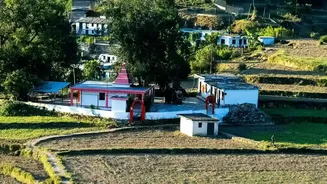
Trinity Saioo is a school teacher from Mulieh, a small village in the West Jaintia Hills. While dedicated to her students, she saw the women in her community struggling. They were farming a local turmeric variety called 'Lachein', which fetched low prices
and had poor market demand due to its low curcumin content. In 2003, seeking to supplement her own family's income, Saioo decided to try cultivating a different variety: Lakadong. When she saw her own earnings double in a year, she knew she had found something that could lift not just her family, but her entire community.
The 'Gold' of Jaintia Hills
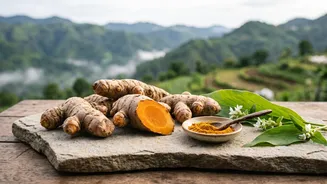
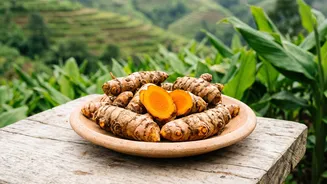
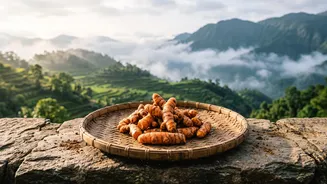
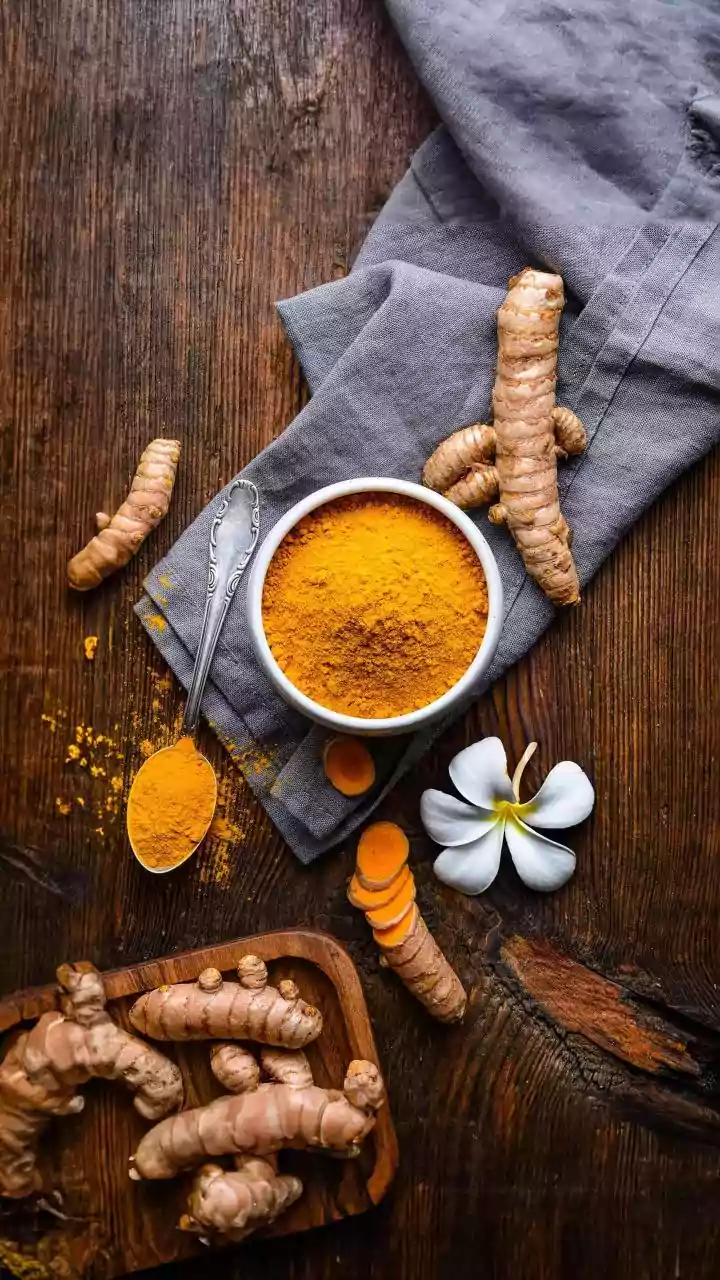
Lakadong turmeric is no ordinary spice. It is globally renowned for its exceptionally high curcumin content, the compound that gives turmeric its vibrant colour and medicinal properties. While regular turmeric varieties contain 2-3% curcumin, Lakadong boasts a remarkable 7-12%. This makes it highly sought after for its potent anti-inflammatory and antioxidant benefits. Despite its superior quality, cultivation had dwindled. Farmers faced unstable prices, lack of market access, and exploitation by middlemen who often paid them the same low rate as for inferior varieties. Many were abandoning the crop altogether for other sources of income.
Sowing the Seeds of Change
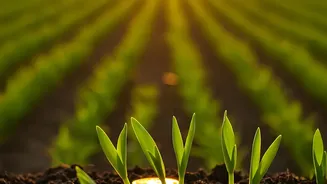
Armed with her success, Trinity Saioo began a tireless campaign to convince other women to switch to Lakadong. The initial challenge was the high cost of seed tubers, which was a significant barrier for poor farmers. Undeterred, Saioo approached the Spices Board of India, helping women navigate the paperwork for subsidies and technical support. She started with a group of 25 women, training them in organic farming practices to ensure the purity of the spice, using natural inputs like cow dung and vermicompost instead of chemical pesticides. She educated them on the importance of quality and the market value of their unique produce.
From Farming to a Federation
What began with a small group soon blossomed into a movement. As word spread, women from neighbouring villages joined the effort. Saioo helped them form Self-Help Groups (SHGs) to pool their resources and strengthen their bargaining power. This collective effort grew into larger cooperatives, such as the Ieng Skhem Spice Producer Industrial Co-operative Society and the Life Spice Federation of Self Help Groups, which now involve over 800 women farmers. These organisations took charge of the entire process, from cultivation to processing, packaging, and marketing, ensuring that the profits went directly back to the women who did the work.
A Harvest of Hope and Recognition
The impact has been transformative. Women who joined Saioo's movement have seen their incomes triple, allowing them to build better homes, educate their children, and secure their families' futures. Trinity Saioo, affectionately known as 'Turmeric Trinity', has not gone unnoticed. Her selfless work earned her the 'Excellence in Horticulture' Award from the Ministry of Agriculture in 2018. In 2020, she was honoured with the Padma Shri, one of India's highest civilian awards, for her incredible contribution to agriculture and women's empowerment. Her grassroots model was so successful it inspired the Meghalaya government to launch 'Mission Lakadong' to scale up production across the state.