



What Makes Steel-Cut Oats Different?
Walk down the cereal aisle and you'll find various types of oats: instant, rolled, and steel-cut. While they all originate from the same whole oat groat, the difference lies in the processing. Instant oats are pre-cooked and rolled thin for quick preparation.
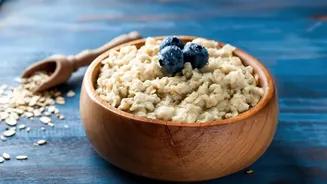
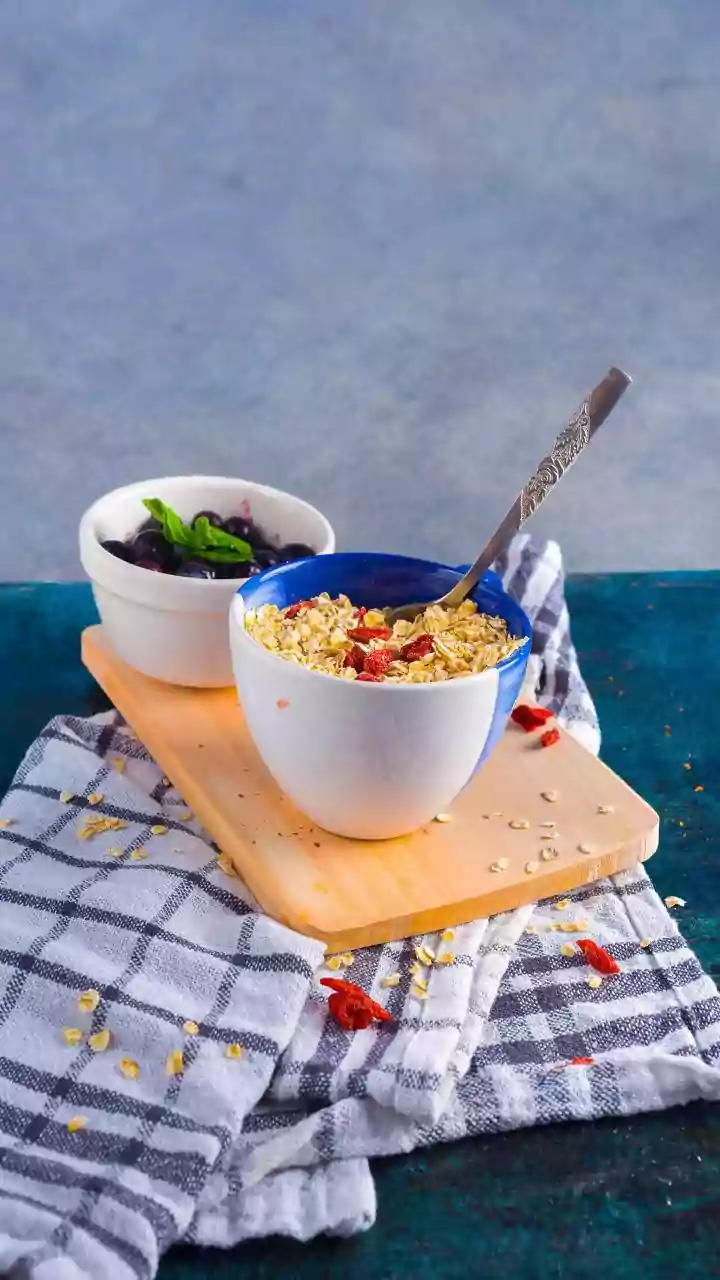
Rolled oats (or old-fashioned oats) are steamed and flattened. Steel-cut oats, also known as Irish or pinhead oats, are the least processed. They are created by simply chopping the whole groat into two or three pieces with steel blades. This minimal processing leaves the grain largely intact, resulting in a chewier texture, a nuttier flavour, and, most importantly, a different nutritional impact. It’s this robust structure that makes all the difference in how your body digests them.
The Fibre Factor: Satiety and Heart Health
The standout feature of steel-cut oats is their high fibre content, particularly a type of soluble fibre called beta-glucan. Because steel-cut oats are less processed, this fibre matrix remains more intact. When you eat them, this soluble fibre forms a gel-like substance in your digestive tract. This process slows down digestion, which has two major benefits. First, it promotes a prolonged feeling of fullness, or satiety, which can help manage appetite and support weight management goals. Second, this gel-like substance can help lower cholesterol levels. Major health bodies like the European Food Safety Authority (EFSA) and the US Food and Drug Administration (FDA) recognise that a daily intake of at least 3 grams of oat beta-glucan can help reduce cholesterol.
The Glycemic Advantage for Steady Energy
The fibre in steel-cut oats also plays a crucial role in managing blood sugar levels. Foods are ranked on the glycemic index (GI) based on how quickly they raise blood glucose. Due to their intact structure, steel-cut oats are digested more slowly, resulting in a gradual release of sugar into the bloodstream. They have a low GI score, typically between 42 and 53. In comparison, rolled oats are slightly higher at around 55-57, and instant oats can have a GI as high as 83, causing a much faster spike in blood sugar. Choosing low-GI foods like steel-cut oats helps prevent the energy crashes that often follow a high-sugar breakfast, providing you with stable and sustained energy throughout the morning.
Building a Truly Balanced Breakfast
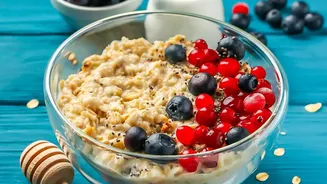
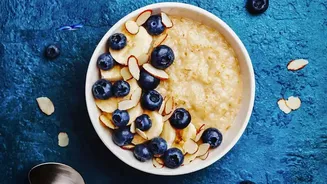
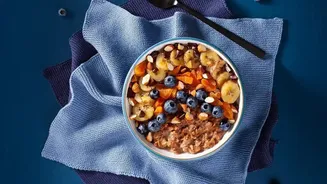
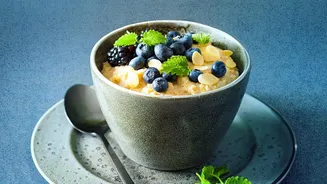
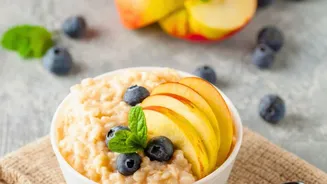
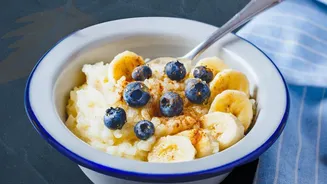
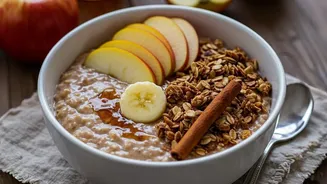
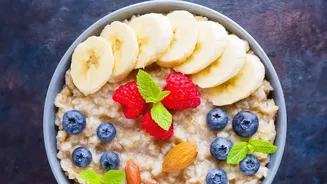
While steel-cut oats are a fantastic foundation, a truly balanced breakfast requires a team of nutrients. The oats provide complex carbohydrates and fibre, but you also need protein and healthy fats to round out the meal. This combination further slows digestion and enhances satiety. Simple additions can elevate your bowl of oats into a complete meal. Stir in a spoonful of nut butter or a handful of almonds or walnuts for healthy fats and protein. Add a scoop of Greek yoghurt or protein powder for an extra protein boost. Fresh fruits like berries or sliced banana add natural sweetness and extra vitamins. For those who prefer a savoury start, steel-cut oats can be cooked like a porridge and topped with a fried egg, spices, and a drizzle of soy sauce for a satisfying, protein-rich meal.
Making Them Work for a Busy Morning
The main drawback of steel-cut oats is their longer cooking time, which can be a challenge on busy weekday mornings. However, with a little planning, you can easily overcome this hurdle. One popular method is the overnight soak: bring oats and water to a boil the night before, then turn off the heat, cover the pot, and let it sit overnight. In the morning, the oats will be tender and require only about 10 minutes of simmering to become creamy. Another option is to make a large batch over the weekend. Cooked steel-cut oats can be stored in the refrigerator for several days and quickly reheated with a splash of milk or water. Pressure cookers or Instant Pots can also significantly cut down the cooking time to around 12 minutes.