



The Golden Rule: Do Not Thaw
For years, many of us have instinctively reached to thaw frozen produce on the counter. But culinary wisdom and food science agree: this is usually a mistake. Frozen vegetables are blanched (partially cooked) before being flash-frozen, a process that
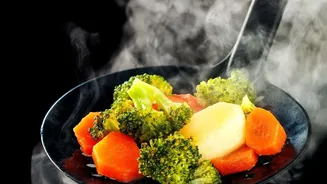
locks in nutrients at their peak. When you thaw them, the ice crystals melt into water, which makes the vegetables soggy before they even hit the pan. Cooking them directly from their frozen state allows this excess moisture to evaporate quickly in the heat, preserving their texture and flavour. The result is a crisper, more vibrant vegetable, not a mushy, waterlogged disappointment. So, unless a recipe specifically instructs you to thaw, your best bet is to cook them straight from the bag.
Best Methods for Cooking from Frozen
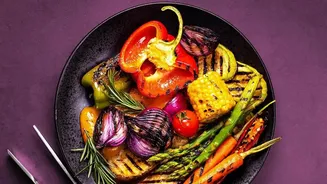
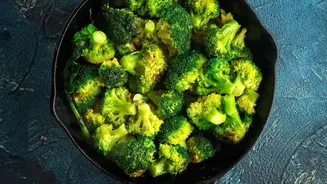
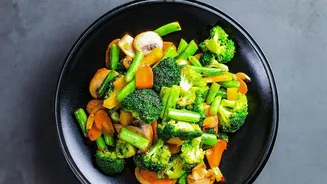
Not all cooking methods are created equal when it comes to frozen veggies. To combat sogginess, you need high, direct heat. Roasting is a champion method. Tossing frozen broccoli, cauliflower, or Brussels sprouts with oil and spreading them on a hot, preheated baking sheet at a high temperature (around 220-230°C) encourages caramelization and a crispy finish. The key is to give them plenty of space; overcrowding the pan will cause them to steam instead of roast. Sautéing and stir-frying also work well. Use a hot pan with a bit of oil and keep the vegetables moving to cook them quickly before they release too much water. Steaming is another excellent option that prevents the vegetables from sitting in water, which helps retain their firm texture.
Which Vegetables Shine from Frozen?
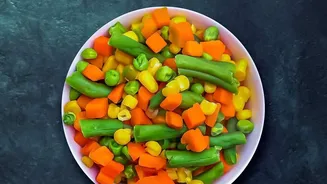
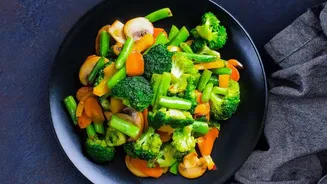
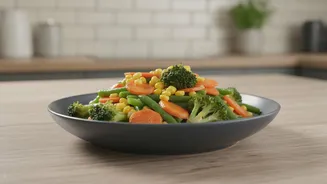
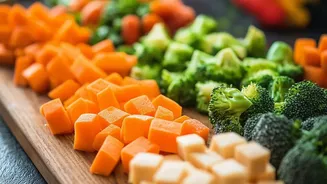
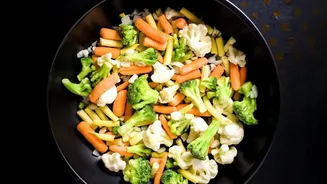
Some vegetables handle the freezer-to-pan transition better than others. Small, individual items that cook quickly are prime candidates. Think peas, corn, green beans, edamame, and broccoli or cauliflower florets. These are perfect for roasting, steaming, or tossing into stir-fries and soups toward the end of the cooking time. Hardy vegetables like butternut squash and carrots also roast beautifully from frozen. Essentially, any vegetable that is relatively dry and holds its structure well is a great candidate for being cooked straight from the freezer.
When You Absolutely Should Thaw
While cooking from frozen is the general rule, there are important exceptions. The main reason to thaw is to control moisture content. Leafy greens like spinach, which are often frozen in a solid block, must be thawed so you can squeeze out the significant amount of excess water. Failing to do so will ruin dishes like dips or casseroles. Thawing is also sometimes recommended for dishes where the vegetables are incorporated into a batter or a delicate mixture, like a quiche or frittata. In these cases, the extra water from frozen vegetables can disrupt the recipe's texture. Finally, very large or dense items, like a whole corn on the cob, may benefit from a partial thaw to ensure they cook evenly. Always check the package instructions, as some products are specifically designed to be thawed first.