


Why Trapped Moisture is a Problem
Small, enclosed spaces like wardrobes, cabinets, and under-sink areas have limited airflow. This makes them ideal breeding grounds for problems caused by excess humidity. When moisture gets trapped, it can lead to musty odours that cling to fabrics and surfaces.
More concerning is the potential for mould and mildew growth, which can stain and damage clothes, leather goods, books, and even the structure of your storage space itself. Over time, this damp environment can also contribute to the warping of wooden shelves and the rusting of metal items. Essentially, controlling moisture is key to preserving your belongings and maintaining a fresh, healthy home environment.
How These Simple Devices Work
Moisture absorbers are passive devices, meaning they work without electricity. Their magic lies in a special substance called a desiccant, which naturally attracts and traps water vapour from the air. The two most common desiccants used in home products are calcium chloride and silica gel. Calcium chloride is a type of salt that is highly effective at absorbing large amounts of moisture, which it typically converts into a liquid brine collected in a container. Silica gel, often found in small packets, works through a process called adsorption, where it draws water molecules onto its porous surface without turning into a liquid. Both effectively reduce the humidity in the surrounding air.
Choosing the Right Type of Absorber
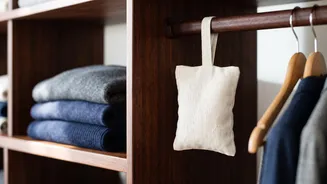
Different types of moisture absorbers are suited for different needs. The most common are disposable containers or hanging bags that use calcium chloride crystals. These are excellent for closets, bathrooms, and laundry rooms, as they are highly effective in humid conditions and can last for up to 60 days. Once the crystals have dissolved and the container is full of liquid, you simply dispose of it. For smaller, more sensitive applications like protecting electronics, cameras, or important documents, silica gel packets are a better choice. Silica gel does not leak and many types can even be 'recharged' by heating them in an oven to be used again. There are also stylish, reusable containers that use refillable tablets for a more long-term and economical solution.
Where to Place Moisture Absorbers for Best Results
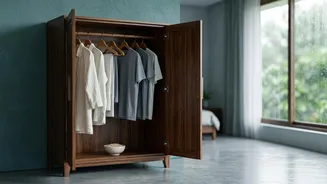
Strategic placement is key to getting the most out of your moisture absorber. They are most effective in enclosed areas with poor air circulation where dampness is a known issue. Common spots include wardrobes and closets to protect clothes from mildew, shoe cabinets to eliminate odours, and kitchen or bathroom cabinets, especially under the sink. They can also be placed in storage trunks with seasonal clothing, gym bags, or in safes to protect important papers. For the best results, place the absorber as close to the source of dampness as possible, but avoid putting it right next to an open window or door, where it would end up absorbing moisture from the outside.
A Note on Safety and DIY Options
While generally safe for home use, commercial moisture absorbers, particularly those containing calcium chloride, should be kept out of reach of children and pets. Contact with the skin or eyes can cause irritation, and the substance should never be ingested. For those who prefer a natural approach or need a quick fix, some household items can act as mild moisture absorbers. Placing an open box of baking soda or a container of rock salt in a small, enclosed space can help absorb some moisture and odours. Bamboo charcoal is another popular option known for purifying air and reducing humidity. While not as powerful as commercial products, these can be effective for minor dampness issues.