






A Gesture of Friendship
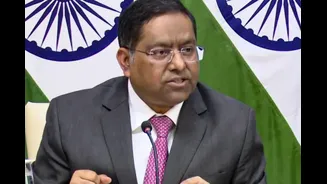
In a special ceremony, India's Permanent Representative to the UN in Geneva, Arindam Bagchi, formally presented the five young birds to UNOG Director-General Tatiana Valovaya. This act renews a decades-old tradition and has been hailed as a gesture of
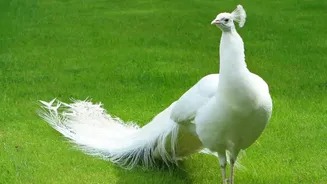
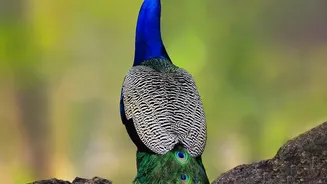
soft power, reinforcing India's commitment to multilateralism and its enduring partnership with the United Nations. The choice of birds is symbolic, with their blue and white plumage echoing the official colours of the United Nations. This donation marks the second time India has gifted peacocks to the Geneva office; the first was a breeding pair sent by then-Prime Minister Indira Gandhi in 1981.
A Tradition Predating the UN
The presence of peacocks in Ariana Park, the 46-hectare estate housing the Palais des Nations, is a tradition that predates the UN itself. It began in the late 19th century when the Swiss collector Gustave Revilliod bequeathed the estate to the city of Geneva. One of his conditions was that the peafowl he loved be allowed to roam freely on the grounds in perpetuity. Over the decades, these birds have become iconic, witnessing historic summits and countless diplomatic gatherings from their leafy perches. While the flock has been supplemented over the years, including by a donation from a Japanese zoo in 1997, this new quintet from India ensures the continuation of Revilliod's wish.
Symbolism in Every Feather
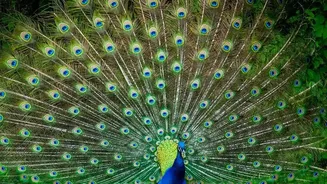
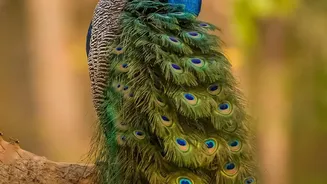
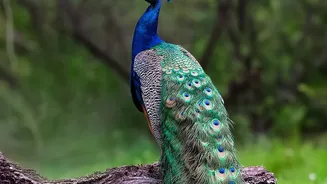
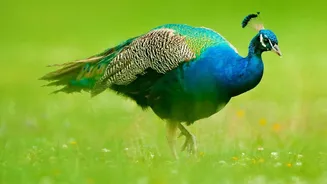
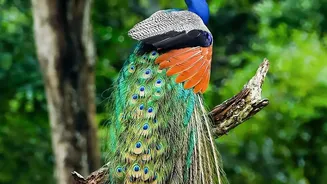
The Indian Peafowl, or Pavo cristatus, is India’s national bird and holds a deep-seated place in the country's culture, art, and mythology. It is a symbol of grace, beauty, pride, and resilience. By gifting these birds, India is sharing a piece of its natural heritage and cultural ethos on a global stage. In many traditions, the peacock also represents renewal and dignity. This act of 'peacock diplomacy' is seen as a light-hearted yet meaningful reminder of the value of cultural exchange, fostering an atmosphere where dialogue and cooperation can flourish. It's a quiet form of statecraft that builds connections beyond treaties and negotiations.
Settling into Their New Home
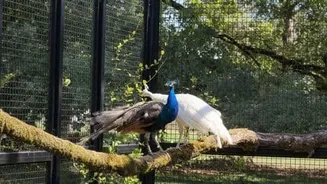
The five new arrivals, all young males hatched this year, are currently housed in a specially prepared aviary to help them acclimatise to their new environment. This initial three-month period is managed by the Geneva Bioparc, which helped transport the birds safely. The enclosure will help them establish a social bond before they are released to roam freely across what has been described as a 'dream habitat' for them, with old trees, gardens, and open grass areas. The fact that they are all males raised together should also prevent them from wandering off in search of mates come springtime. UN officials have announced that a competition will soon be launched to give names to the new avian diplomats.