




India's First Sunrise
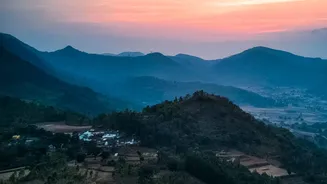
The claim to fame for Dong Valley is its geographical distinction as the easternmost inhabited area of India, nestled near the tri-junction where India, China, and Myanmar meet. This unique location means it is the very first place on Indian soil to be
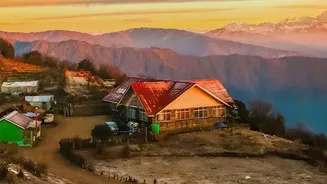
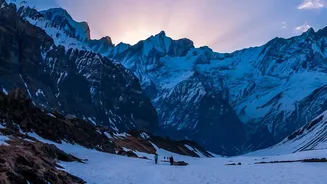
touched by the morning sun. To witness this spectacle, visitors must embark on a pre-dawn trek. The journey typically begins around 2 a.m. from the nearby town of Walong. After a short drive, a challenging 90-minute hike up a steep, pine-covered ridge in the dark leads to a viewpoint. As you wait in the chilly air, the sky slowly transforms, with the sunrise arriving as early as 4:30 a.m. in winter, painting the Himalayan peaks and the valley below in spectacular hues. This daily event is more than just a sunrise; it's a profound experience of seeing the day begin for an entire nation.
A Landscape of Untouched Beauty
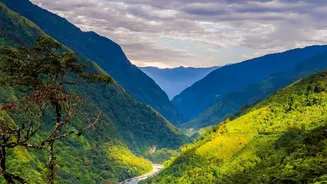
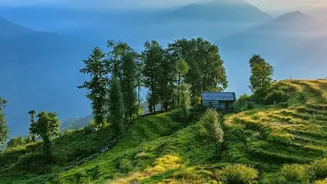
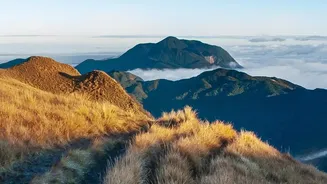
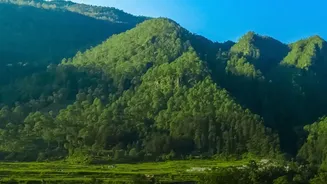
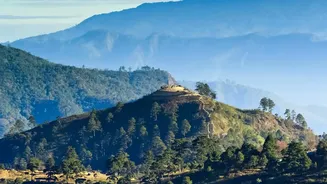
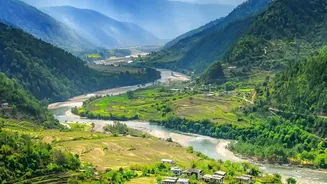
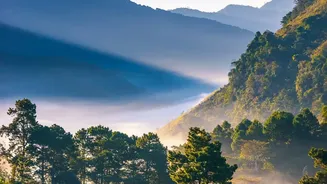
The journey to and within Dong Valley is an immersion in raw, unspoiled nature. The valley is cradled at an altitude of 1,240 metres, surrounded by lush forests and snow-capped peaks. The Lohit River, a major tributary of the Brahmaputra, carves its way through the dramatic landscape, its turquoise waters a stark contrast to the green hills. The region is a paradise for trekkers, with trails winding through pine forests, past hidden waterfalls, and across scenic suspension bridges. The area around Walong, the administrative hub, is steeped in history, bearing scars and memorials from the 1962 Indo-China War, which adds a layer of solemnity to the stunning scenery. The air is crisp, the landscape is rugged, and the sense of being at the edge of the world is palpable.
The Keepers of the Valley
Dong Valley and its surrounding areas are home to the Meyor and Mishmi tribes, the traditional guardians of this land. The Meyor community, with a very small population, resides in Dong village and is known for its deep connection to the land and Tibetan roots. Their culture is rich with intricate beadwork, unique agricultural practices like wet-rice cultivation, and a spiritual reverence for nature. The broader region is home to the Mishmi people, who have distinct customs, languages, and animistic traditions that honour ancestral spirits. Visitors are often greeted with warm hospitality, offering a rare chance to learn about a way of life that exists in harmony with the environment. Engaging with the local culture, whether through a homestay or a conversation with a guide, provides a deeper appreciation for the valley's soul.
Planning Your Expedition
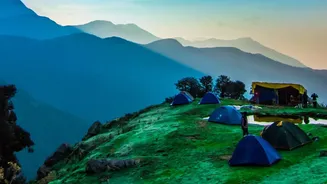
A trip to Dong Valley requires careful planning. The best time to visit is from October to April, when the weather is pleasant and the skies are clear for sunrise views. The journey starts from Dibrugarh in Assam, the nearest major airport and railway hub. From there, it's a two-day drive of about 400 km to Walong, with an overnight stop likely needed in a town like Tezu. Hiring a private vehicle is the most practical option. Accommodation in Walong is basic, consisting mainly of homestays. Crucially, all Indian citizens who are not residents of Arunachal Pradesh require an Inner Line Permit (ILP) to enter the state. This can be applied for online through the official government portal and should be secured well in advance of your trip. Foreign nationals need a Protected Area Permit (PAP), which has different requirements. Pack warm clothes, sturdy trekking shoes, a torch for the night trek, and a camera to capture the unforgettable moments.