








The Constant Cost of Disruption
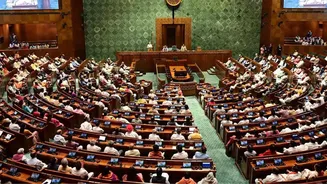
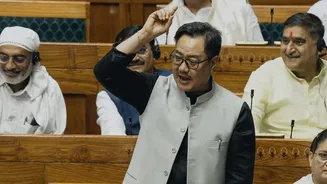
When Parliament is disrupted, it’s not just debate that is lost; it’s also money. Estimates frequently place the cost of running Parliament at approximately Rs 2.5 lakh per minute. This means a single hour of stalled proceedings can cost the national
exchequer around Rs 1.5 crore. A full six-hour workday lost to adjournments translates to a notional loss of about Rs 9 crore. These figures, while sometimes based on older calculations from over a decade ago, remain the most cited benchmark for understanding the financial impact. Recent sessions have seen significant disruptions, with some estimates suggesting that productivity can fall dramatically, making these costs all the more significant.
An MP's Salary and Allowances
A major component of the ongoing expenditure is the compensation for Members of Parliament. As of a revision implemented in 2023, an MP's basic salary is Rs 1,24,000 per month. However, this base pay is just the beginning. MPs receive a substantial package of allowances designed to support their work both in Delhi and in their constituencies. These payments continue regardless of whether the House is functioning smoothly or is mired in protests. The rationale is that an MP's duties—meeting constituents, managing an office, and addressing local issues—do not cease when sessions are adjourned.
Beyond the Paycheck: A World of Perks
The financial package extends far beyond the monthly salary. Each MP is entitled to a constituency allowance of Rs 87,000 per month to cover expenses in their home region. They also receive an office expense allowance of around Rs 75,000 per month, which is intended for stationery, postage, and secretarial assistance. When Parliament is in session, there is a daily allowance of Rs 2,500 for each day of attendance to cover costs in the capital. Additional perks include 34 free domestic flights per year for the MP and their immediate family, unlimited first-class train travel, rent-free housing in prime locations in Delhi or a housing allowance of Rs 2,00,000 per month, and free medical care under the Central Government Health Scheme (CGHS).
The Operational Overhead
It's not just MP salaries. The Parliament complex is a massive operation with significant fixed costs. These include the salaries for hundreds of staff in the Lok Sabha and Rajya Sabha secretariats, maintenance of the building, electricity, water, and extensive security arrangements. These expenses are incurred daily, whether a bill is being debated or the chambers are empty due to a walkout. The entire ecosystem that supports the legislative process—from researchers and clerks to security personnel and maintenance crews—remains on the payroll. This operational overhead is a huge part of why the cost per minute is so high and why the financial drain continues unabated during logjams.
The Pension That Lasts a Lifetime
The financial commitment from the taxpayer also extends long after an MP leaves office. Former MPs are entitled to a pension. Following recent revisions, this starts at a minimum of Rs 31,000 per month for anyone who has served, even for a short period. For every year served beyond the initial five-year term, an additional amount is added to their monthly pension. The family of a deceased MP or ex-MP is also entitled to receive a family pension. These lifelong benefits are another continuous expense that forms part of the overall cost of the country's political apparatus.
The Democratic Deficit
While the financial cost is staggering, experts argue that the true price of parliamentary dysfunction is the democratic deficit it creates. When disruptions become the norm, Parliament's primary functions—deliberation, ensuring government accountability, and passing well-scrutinised laws—are compromised. Question Hour, a critical tool for holding the government to account, is often the first casualty. Bills can be passed with minimal or no debate, weakening the legislative process. This unseen cost, the erosion of democratic practice, may be far more significant than the crores lost to empty chambers.