









A Swift Crackdown on Major Platforms
In a decisive move to protect public health, Karnataka's Food Safety and Drugs Administration Department suspended the food licences of Amazon, Swiggy Instamart, and BigBasket. The action, which took effect until further orders, was triggered by a startling
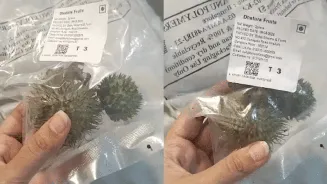
discovery: Datura fruits and seeds, which are highly poisonous, were being listed and sold for human consumption on these popular e-commerce and quick-commerce sites. Officials stated that the sale of Datura as a food product is impermissible and poses a serious public health risk. The platforms were ordered to immediately remove all listings and advertisements for the toxic items.
What is Datura and Why is It So Dangerous?
Datura, known in India as 'dhatura' and in other parts of the world as thornapple or devil's trumpet, is a plant belonging to the nightshade family. Every part of the plant, especially its seeds and flowers, contains potent tropane alkaloids like atropine and scopolamine. Ingesting even small amounts can lead to a severe condition called anticholinergic poisoning. Symptoms can appear within 30 to 60 minutes and include a rapid heartbeat, high fever, delirium, confusion, and terrifying hallucinations where individuals cannot distinguish fantasy from reality. In serious cases, consumption can result in respiratory failure, coma, and even death. The toxicity level is notoriously unpredictable, varying from plant to plant, making any consumption a life-threatening gamble.
How Were the Toxic Seeds Being Sold?
The investigation by food safety officials revealed that vendors were using the e-commerce platforms to sell packets of Datura seeds and fruits. Alarmingly, some of these products were even found to carry Food Safety and Standards Authority of India (FSSAI) registration or licence numbers, lending them a false sense of legitimacy. The products were stored in warehouses and listed for sale and distribution just like any other grocery item. This allowed a substance traditionally used in Ayurveda under strict purification protocols—and notoriously as a poison—to be marketed directly to consumers for consumption, creating a significant public safety loophole.
Regulatory Action and Broader Implications
The suspension of licences for giants like Amazon and Swiggy highlights a growing challenge for regulators in the age of rapid e-commerce. The department's order was not just limited to the platforms themselves; it also mandated the suspension of licences for the vendors and establishments that were supplying these toxic products. This incident serves as a stark reminder of the critical need for stringent vetting processes on e-commerce platforms that deal in food and consumables. It raises questions about accountability and the measures in place to prevent harmful or non-food-grade items from entering the food supply chain, especially when they are just a click away from consumers' homes.
A History of Food Scares in the Region
While this case involves online platforms, Karnataka has previously faced tragic incidents related to food poisoning from contaminated religious offerings, or 'prasad'. In 2018, a devastating incident in Chamarajnagar district resulted in over a dozen deaths and hospitalized more than 100 people after they consumed poisoned temple food. Other, smaller incidents have also been reported over the years, underscoring the persistent vulnerability of food distribution channels, whether through community kitchens or digital marketplaces. Each case reinforces the necessity for constant vigilance from both authorities and consumers.