




The Green Wave in Urban India
From specialty coffee shops to dessert menus and social media feeds, matcha is undeniably having a moment in India. Once a niche product associated with traditional Japanese tea ceremonies, this powdered green tea has become a lifestyle statement for
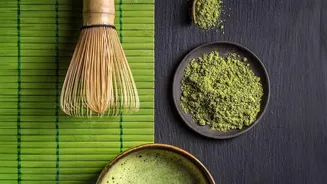
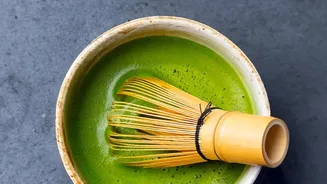
urban millennials and Gen Z. This isn't just about trying a new drink; it's about adopting a new ritual. Google Trends data from 2026 shows a massive 1,300% surge in searches for 'how to make matcha' in India, with related queries about whisks, bowls, and health benefits also spiking. This signals a shift from passive consumption in cafes to active preparation at home. The demand is strongest in cities like Delhi, Goa, and Bangalore, where matcha lattes, often infused with local flavours like mango and coconut, are becoming a menu staple.
What's Driving the Craze?
The appeal of matcha in India is multi-layered. First, there's the wellness factor. Pitched as a 'superfood' rich in antioxidants, matcha fits perfectly into the growing global interest in health and mindful living. Searches for 'matcha health' have soared 1,000%, with many consumers viewing it as a healthier alternative to coffee, offering a calmer energy boost without the jitters. Secondly, its unique, vibrant green colour makes it incredibly photogenic, a major advantage in the age of Instagram. Finally, its versatility is a key driver. Beyond lattes, matcha is appearing in everything from ice cream and protein bars to skincare and candles, transforming it from a simple beverage into a full-blown cultural aesthetic.
A Crisis in Japan's Tea Fields
While India embraces matcha, the Japanese tea industry is facing a quiet but profound challenge. For decades, domestic tea consumption in Japan has been steadily declining. Since peaking in the early 2000s, consumption has fallen significantly as younger generations opt for coffee and other beverages. This is compounded by a demographic crisis: Japan's tea farmers are an aging population, with many struggling to find successors to take over their farms. The number of commercial tea farms plummeted by nearly 75% in just 20 years. Facing shrinking demand at home and a dwindling workforce, the industry has been forced to look outward for survival.
The Global Pivot to Matcha
The answer to Japan's domestic woes has been a strategic and aggressive pivot to exports, with matcha as the star player. While overall green tea production is declining, the cultivation of tencha—the specific shade-grown leaves used to make matcha—has been increasing to meet soaring global demand. In fiscal year 2025, Japan's green tea exports hit a record high, with powdered tea like matcha accounting for about 70% of the volume. The United States has historically been the largest export market, but producers are now increasingly turning their attention to the rapidly growing economies in Asia, including India. This export boom is a lifeline, offering higher prices and a new, enthusiastic customer base for Japanese producers.
A Perfect Match
The connection is clear: India's burgeoning demand for new, premium, and health-conscious products has emerged at the exact moment Japan's tea industry desperately needed new markets. This isn't just a lucky coincidence. Japanese brands and exporters are actively targeting global wellness trends to market their products. India, with its massive young population, growing café culture, and deep-rooted history with tea, represents a market with enormous potential. The trend of adapting matcha with familiar flavours like strawberry and mango shows how this Japanese tradition is being localized for the Indian palate, ensuring it's more than just a novelty. This symbiotic relationship is helping to secure the future of Japanese tea farms, even as it reshapes morning routines in Indian cities.