







What Exactly Is Miso?
Miso is a thick paste made by fermenting soybeans with salt and a culture called 'koji' (Aspergillus oryzae), which is often grown on rice or barley. The process can last from a few months to several years, and this fermentation is what gives miso its
signature complex, salty, and savoury flavour known as umami. While it has been a cornerstone of Japanese cuisine for centuries, this versatile ingredient is gaining worldwide appreciation for the incredible depth it can add to a wide variety of dishes. Think of it as a secret weapon for your kitchen, capable of making everything it touches taste richer and more complex.
A Guide to Common Types
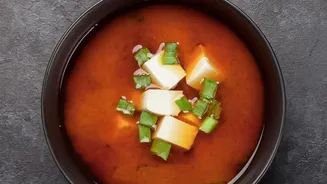
Walking down a grocery aisle, you'll likely encounter three main types of miso, primarily identified by their colour. White miso (Shiro Miso) is fermented for the shortest period, making it the mildest, smoothest, and slightly sweet variety; it’s perfect for light dressings and sauces. Yellow miso (Shinshu Miso) is fermented a bit longer, offering a balanced, earthy flavour that works well in many general recipes. Red miso (Aka Miso) is aged the longest, resulting in a deep, reddish-brown paste with a concentrated, salty, and robust flavour. A little red miso goes a long way and is ideal for hearty soups, stews, and bold marinades.
Elevating Everyday Broths
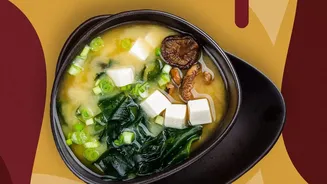
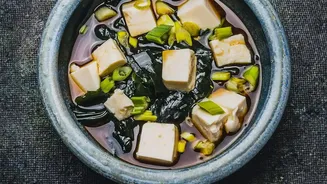
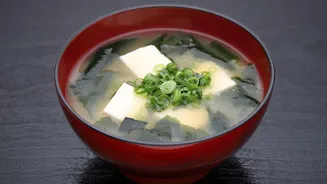
While most famous for miso soup, this paste's ability to enrich liquids extends far beyond that one dish. A spoonful of miso can transform any simple vegetable or chicken broth from bland to brilliant. The key is how you add it. Because miso is a living food with beneficial enzymes, it should never be boiled, as high heat can alter its flavour and diminish its nutritional benefits. The best technique is to ladle some of the hot (but not boiling) broth into a small bowl, whisk in the miso paste until it dissolves completely, and then stir that mixture back into the main pot just before serving. This method ensures a smooth, flavourful broth every time.
Creating Unforgettable Dressings
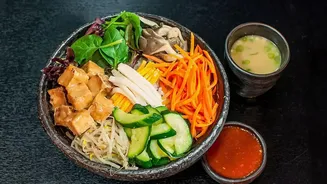
Miso brings a creamy texture and an unrivalled savoury depth to salad dressings that salt alone cannot replicate. The formula is simple and highly adaptable: combine miso paste with an acid like rice vinegar or lemon juice, an oil such as sesame or olive oil, and a touch of sweetness from honey or maple syrup. From there, you can customize it with additions like grated ginger, minced garlic, or a dash of soy sauce. Whisk everything together until smooth, adding a little water to reach your desired consistency. This versatile dressing is not just for green salads; it’s fantastic drizzled over roasted vegetables, grain bowls, or used as a dip.
The Ultimate Marinade Powerhouse
As a marinade, miso works wonders. Its salt content and enzymes help to tenderize proteins, while its complex flavours penetrate deep into meat, fish, or even tofu. For a basic marinade, simply whisk miso paste with ingredients like soy sauce, rice vinegar, honey or brown sugar, and aromatics like minced garlic and grated ginger. Red miso is excellent for richer meats like beef, while white miso pairs beautifully with chicken, fish, and vegetables. Allow your protein to marinate for at least 30 minutes (or longer for a more intense flavour) before grilling, baking, or pan-searing. The sugars in the marinade will help create a beautiful, caramelized crust.
Buying, Storing, and Health Perks
You can find miso paste in most well-stocked grocery stores and Asian markets. Once opened, miso should be stored in a sealed container in the refrigerator to preserve its freshness. To prevent oxidation, press a piece of plastic wrap directly onto the surface of the paste. Stored this way, it can last for up to a year or even longer, depending on the type. Beyond its culinary uses, miso is a source of protein and is rich in minerals and vitamins. As a fermented food, it also contains probiotics that can contribute to a healthy gut.