



Bhoger Khichuri: The Divine Offering
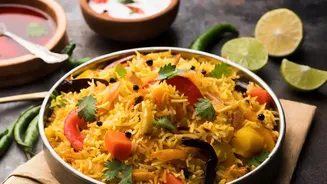
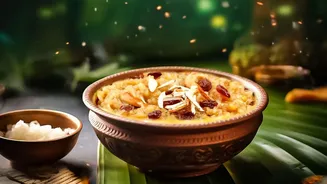
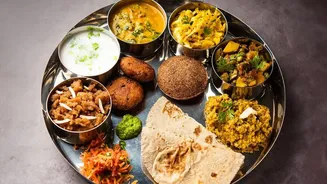
No Durga Puja is complete without the taste of Bhoger Khichuri. This isn't just any khichuri; it's a fragrant, one-pot meal made with roasted moong dal, Gobindobhog rice, and a medley of vegetables, offered first to the Goddess Durga as 'bhog' before
being distributed to devotees. Cooked without onion or garlic, its divine flavour comes from ginger, aromatic spices, and a generous dollop of ghee. This dish is the soul of the community feast, embodying the spirit of togetherness and divine blessings. It’s often served with a mixed vegetable curry called 'labra' and fried items like beguni (brinjal fritters).
Luchi and Aloor Dom: A Classic Combination
A festive breakfast or a satisfying snack between pandal-hopping sessions often features the beloved duo of Luchi and Aloor Dom. Luchis are soft, fluffy, deep-fried breads made from refined flour that puff up into golden orbs. They are the perfect vehicle for Aloor Dom, a slow-cooked potato curry where baby potatoes are simmered in a rich, spicy gravy thickened with yogurt and flavoured with ginger and whole spices. Another popular partner for luchi is Cholar Dal, a sweet and savoury lentil preparation made with Bengal gram, coconut pieces, and raisins. This combination is pure comfort and a festive staple in every Bengali household.
Kosha Mangsho: The Indulgent Feast
While many festive meals across India are vegetarian, Durga Puja in Bengal embraces non-vegetarian delicacies with gusto, and Kosha Mangsho is king. This iconic dish involves slow-cooking mutton pieces over a low flame for hours until the meat is tender and coated in a thick, dark, and intensely flavourful gravy. The magic lies in the 'kosha' or sautéing process, which caramelises the onions, ginger, garlic, and a blend of spices, creating a rich texture and deep flavour that is almost dry. Often enjoyed on Ashtami or Navami, a plate of Kosha Mangsho with luchi or Basanti Pulao is a rite of passage for any meat-lover during the Pujas.
Basanti Pulao: The Fragrant Golden Rice
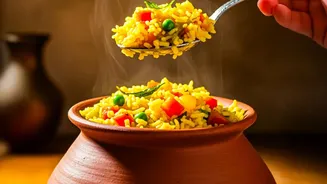
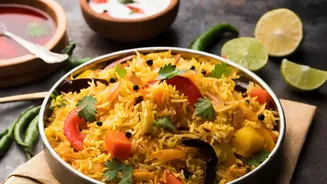
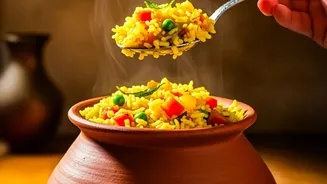
Adding a touch of royalty to the festive spread is Basanti Pulao, a mildly sweet and fragrant rice dish. Its beautiful golden-yellow 'Basanti' colour comes from a hint of turmeric or saffron. Made with aromatic Gobindobhog rice, it's cooked with ghee and whole spices like cinnamon, cloves, and cardamom. The pulao is jewelled with fried cashews and raisins, which add a delightful sweetness and crunch to every bite. It strikes a perfect balance between sweet and savoury, making it an excellent accompaniment to spicier side dishes like Kosha Mangsho or Chicken Chaap, completing the grand festive meal.
Mishti: The Sweet Finale
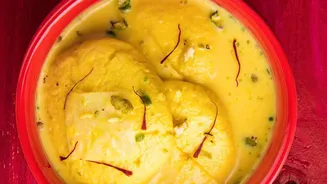
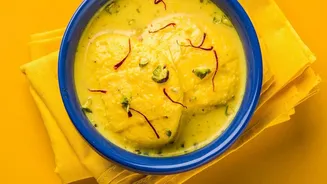
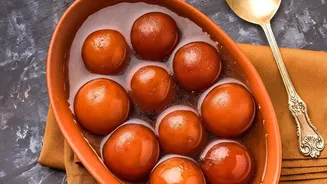
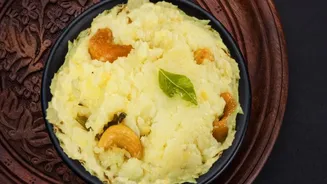
A Bengali celebration is unimaginable without sweets, and Durga Puja is the grandest stage for them. No meal is truly over until a 'mishti' has been served. The variety is endless, but some icons are inseparable from the festival. Sandesh, made from fresh cottage cheese (chhena), is delicate and comes in countless shapes and flavours. Payesh, a slow-cooked rice and milk pudding, is a comforting dessert that feels like a warm hug in a bowl. Then there is Mishti Doi, the classic sweetened yogurt set in earthen pots, which provides a creamy and tangy end to a rich meal. These sweets are not just desserts; they are an integral part of the offering and the celebration itself.