






A Roaring Success Story
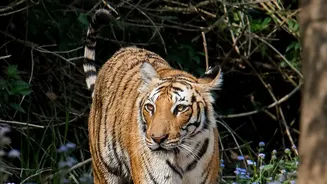
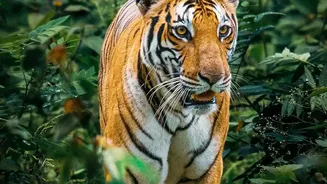
On Global Tiger Day, July 29, 2026, Nepal’s Department of National Parks and Wildlife Conservation revealed the results of its latest national survey: the country is now home to an estimated 429 wild tigers. This figure represents a remarkable and sustained
recovery, continuing an upward trend from just 121 individuals in 2010 and 355 in the previous census of 2022. The growth, averaging about five percent annually over the last four years, makes Nepal one of the few nations to have so decisively reversed the decline of this iconic species. While Chitwan National Park remains the primary stronghold with 145 tigers, significant gains were seen in other protected areas like Parsa and Banke National Parks. This achievement nearly quadruples the country's tiger population in just over 15 years, a testament to a concerted and long-term national effort.
The Blueprint for a Comeback
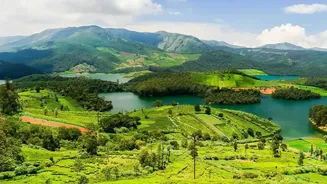
Nepal's success was not accidental; it was built on a multi-pronged strategy that has been refined over decades. A core component is the landscape-level approach to conservation, particularly through the Terai Arc Landscape (TAL) program. This initiative connects 16 protected areas across Nepal and India, restoring forests and creating safe corridors for wildlife to roam, which is crucial for a wide-ranging species like the tiger. Furthermore, Nepal has empowered local communities to become frontline conservationists. Community-based anti-poaching units, composed of local volunteers, have been instrumental in protecting wildlife and gathering intelligence, leading to a significant drop in poaching incidents. These efforts are complemented by robust government support, effective law enforcement in collaboration with the Nepal Army, and dedicated work to restore the populations of prey species like deer and wild boar.
More Than Just a Number
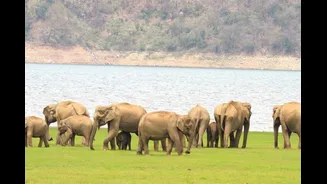
The return of the tiger signifies more than just the recovery of a single species. As an apex predator, the tiger is an 'umbrella species'—its health is an indicator of the health of the entire ecosystem. Protecting tigers means protecting vast tracts of forest that are vital for clean air and water, and which support countless other species, including rhinos and elephants. The conservation success also brings economic benefits. Ecotourism initiatives and community-run homestays provide alternative livelihoods, demonstrating that living alongside tigers can be beneficial. This model directly involves nearly half a million households in conservation activities, ensuring that the people who share the landscape with these predators have a stake in their survival.
Success Breeds New Challenges
While the news is overwhelmingly positive, a growing tiger population brings its own set of complex challenges. The most pressing issue is the rise in human-wildlife conflict. As tigers expand their territories, they inevitably come into closer contact with human settlements, leading to livestock predation and, tragically, human casualties. Studies show that as tiger numbers have increased, so have incidents of conflict, creating a difficult balancing act for conservationists and communities. The carrying capacity of Nepal's protected areas is also a growing concern. Some parks are nearing their limit, which can lead to tigers, especially young males, being pushed into marginal habitats or human-dominated landscapes. Managing this new reality requires innovative solutions like predator-proof enclosures for livestock and early-warning systems to keep both people and tigers safe.
A Beacon of Hope for Global Conservation
Nepal's achievement offers a powerful model for the 12 other tiger-range countries. In 2010, these nations collectively committed to doubling the world's wild tiger population—a goal known as TX2. While global numbers have crept up from an all-time low, Nepal's near-quadrupling of its population stands out as an extraordinary success. The key lesson from Nepal is the critical importance of community-centered conservation. By making local people partners and beneficiaries of conservation, rather than adversaries, the country created a sustainable framework for coexistence. Its transboundary cooperation with India on the Terai Arc Landscape also provides a blueprint for managing wildlife that doesn't recognize international borders. The combination of political will, scientific management, and community empowerment has created a formula that others can learn from.