
What is PRIMA?
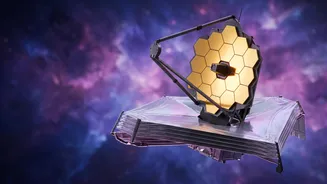
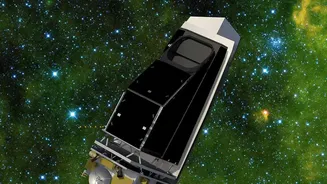
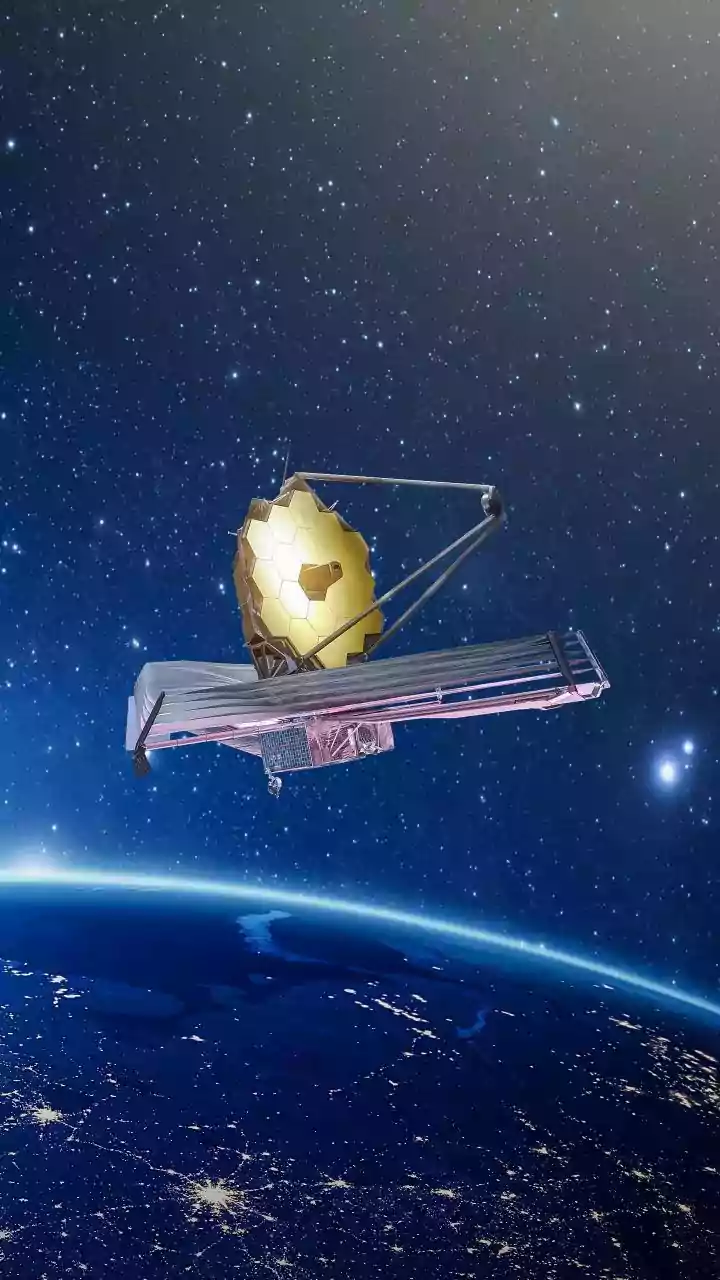
PRIMA, short for the Probe far-Infrared Mission for Astrophysics, is a space telescope designed to see the universe in a way that other observatories can't. While the James Webb Space Telescope (JWST) is famous for its infrared vision, PRIMA will look
at an even longer wavelength of light called the far-infrared. This part of the spectrum is crucial for seeing through cosmic dust to observe processes that are otherwise hidden, like the birth of stars and planets. NASA has officially selected PRIMA to move into its next phase of development, which involves finalizing the design and technology before full-scale construction begins. It is the first mission in a new category called Probe Explorers, which are designed to be more ambitious than smaller projects but less costly than flagship missions like the $10 billion JWST.
An Unprecedented Window on the Universe
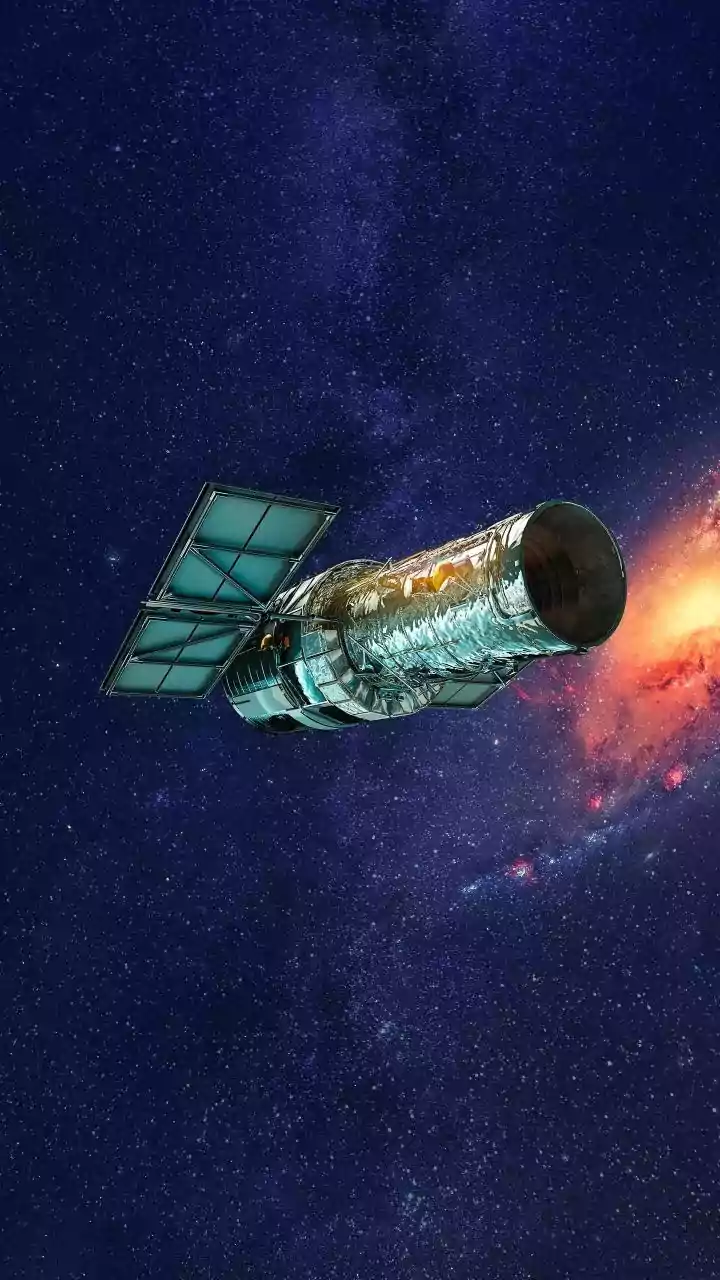
Many of the universe's most interesting events, from the formation of galaxies to the growth of supermassive black holes, emit energy that only appears in far-infrared light. PRIMA will feature a 5.9-foot (1.8-meter) telescope that is cryogenically cooled to just 4.5 Kelvin, hundreds of degrees below zero. This extreme cold is necessary to reduce the telescope's own heat, which would otherwise blind its sensitive detectors. Thanks to this technology, PRIMA will be orders of magnitude more sensitive than previous far-infrared missions like Herschel and Spitzer. Its instruments will allow scientists to map large areas of the sky and conduct detailed analysis of the chemical makeup of distant objects, bridging the observational gap between infrared telescopes like JWST and radio telescopes like ALMA.
The Search for Origins
PRIMA has three major scientific goals. First, it will investigate how planets form and where their atmospheres come from. Specifically, it will look at the role of water in the formation of planets and analyze the gases in the disks where new worlds are born. Second, it will trace how galaxies and their central supermassive black holes have grown together over cosmic history. Finally, it will study how cosmic dust and heavy elements have accumulated in galaxies over time. One of PRIMA's key objectives is understanding how water, a crucial ingredient for life as we know it, came to be on Earth. The mission promises to provide groundbreaking data on the chemical environments that give rise to planetary systems.
The $1.2 Billion Price Tag
The $1.2 billion cost cap is a significant milestone for the project. This figure, which does not include the cost of the launch vehicle, places PRIMA in a new middle-tier of NASA missions. The Probe Explorers program was recommended by the scientific community to fill the strategic gap between smaller, investigator-led projects and the massive, decade-spanning flagship observatories. By capping the cost at this stage, NASA is establishing a clear budget framework to guide the mission's development and prevent the kind of significant cost overruns that have affected some past projects. The mission must still pass a confirmation review before entering its main implementation phase, but the established budget is a strong sign of NASA's commitment.
The Long Road to 2033
A targeted launch in 2033 may seem far away, but building a one-of-a-kind space observatory is a complex, multi-stage process. The mission has now entered what NASA calls Phase B, where engineers will finalize the preliminary designs and mature the required technology. This will be followed by Phase C, which includes instrument delivery from international partners, including the space agencies of France, Germany, Canada, and the United Kingdom, expected around 2029. Once built, the entire observatory will undergo years of rigorous testing to ensure it can survive the violent launch and the harsh environment of space. If everything goes according to plan, PRIMA will embark on a five-year mission to unveil the hidden, dusty cosmos.