








The Rocket Fuel of a Modern Space Economy
For decades, a career in India’s space sector meant one thing: becoming a scientist or engineer at the Indian Space Research Organisation (ISRO). The path was prestigious, highly competitive, and focused on research and development. This created a generation
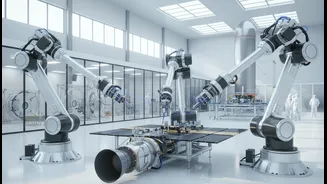
of brilliant minds that powered missions to the Moon and Mars. However, the landscape has dramatically shifted. Since the sector opened to private players in 2020, over 400 space startups have emerged, attracting significant investment and fundamentally changing the industry's workforce needs. Companies like Skyroot Aerospace, Agnikul Cosmos, and Pixxel are not just conducting research; they are building, testing, and deploying rockets and satellites at a commercial scale. This new era is less about pure science and more about manufacturing, operations, and services—a domain where skilled technicians are the backbone.
Beyond the PhD: The Unsung Heroes
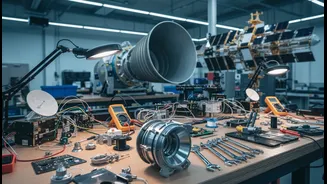
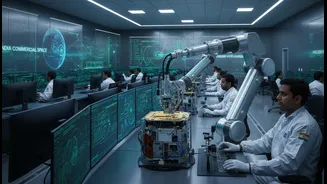
While rocket scientists design the blueprints, an army of technicians brings their vision to life. These are the experts in avionics, propulsion systems, quality control, welding, and precision manufacturing. They are the ones assembling satellite components, operating ground station equipment, and ensuring every single part of a launch vehicle is flawless. The growing private space ecosystem is creating a massive demand for these roles. A report from Adecco India projects that the sector will create over 200,000 new jobs by 2033. Many of these are not for PhDs, but for professionals with specific vocational skills. These roles include avionics specialists, robotics engineers, and GNC (Guidance, Navigation, and Control) experts. The diversification of the industry means talent is now being drawn from adjacent sectors like automotive engineering, electronics, and data analytics, creating new career pathways.
The High Cost of a Skills Gap
Despite the clear demand, India faces a significant skills gap. The current educational ecosystem is heavily geared towards producing engineers, with an estimated 1.5 million graduating each year. However, reports indicate a deficit in the specific, hands-on skills required for the precision-driven aerospace industry. This shortage is more than an inconvenience; it's a strategic threat. A lack of qualified technicians can lead to production delays, increased costs, and potential quality control issues—risks that are unacceptable in an industry where there is no room for error. Dr. Vinod Kumar, Director of IN-SPACe, has highlighted the urgent need for educational reforms to bridge this gap between academic knowledge and industry requirements. Without a robust pipeline of skilled technical workers, the ambition to grow India's share of the global space economy from 2-3% to a targeted 8% could be jeopardised.
Building the Workforce for Tomorrow
Addressing this challenge requires a multi-pronged approach. Government bodies, private companies, and educational institutions must collaborate to create a new talent pipeline. This involves strengthening vocational training institutes (ITIs), developing industry-led certification programs, and establishing apprenticeship models that offer practical, on-the-job experience. IN-SPACe, the regulatory body, has already started working on skill development courses and integrating space-focused curricula into universities. Furthermore, organisations like the India Space Academy are working to bridge the gap between traditional academics and the industry's practical demands by offering specialised training aligned with programs like Skill India. For India's space startups, investing in training is not just a corporate responsibility but a business imperative for sustainable growth. Building this skilled workforce is as crucial as building the rockets themselves.