






Why Milk Purity is a Daily Concern
Milk is a powerhouse of nutrition, packed with calcium, protein, and essential vitamins. However, this wholesome image is often threatened by adulteration—the practice of adding substances to increase volume, extend shelf life, or fake quality readings.
Common adulterants range from simple water, which dilutes nutritional value, to harmful chemicals like detergents, urea, and starch. These are not just minor issues; studies have shown that a significant percentage of milk in India may not meet safety standards. The motivation is usually profit, but the cost is borne by the consumer's health, with potential risks including gastrointestinal problems, kidney damage, and long-term organ issues.
Test 1: Detecting Water Dilution
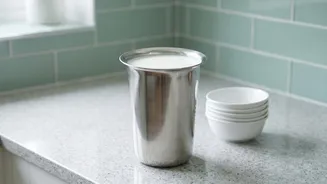
This is the most common form of adulteration and thankfully, the easiest to check. The 'Slope Test' is a simple, ten-second method validated by food safety authorities. Put a single drop of milk on a clean, polished, slanting surface, like the back of a steel plate or spoon. Pure milk, being denser, will either stay put or flow slowly, leaving a distinct white trail behind it. In contrast, milk that has been diluted with water will flow down immediately and leave no mark. The absence of that milky trail is a clear red flag that the volume has been artificially increased, diminishing its nutritional content.
Test 2: The Shake Test for Detergent
Detergent is sometimes added to create froth and thickness in diluted milk, mimicking the appearance of high-fat content. To test for it, take 5 to 10 ml of milk in a glass bottle or jar with a lid and add an equal amount of water. Shake the mixture vigorously for about 30 seconds. If the milk is pure, it will form a thin layer of foam that disappears quickly. However, if it is adulterated with detergent, a dense, stable lather—much like shampoo foam—will form and persist. This test provides a clear visual cue for the presence of harmful surfactants.
Test 3: Uncovering Starch with Iodine
Starch, often from rice or wheat flour, is added to increase the thickness and solids content of watered-down milk. To detect it, boil 2 to 3 ml of your milk sample and let it cool to room temperature. Then, add a few drops of tincture of iodine, which is readily available at most pharmacies. If the milk turns a blue or purplish colour, it confirms the presence of starch. Pure milk will remain its original colour or may turn slightly yellowish upon adding iodine.
Test 4: The Litmus Test for Urea
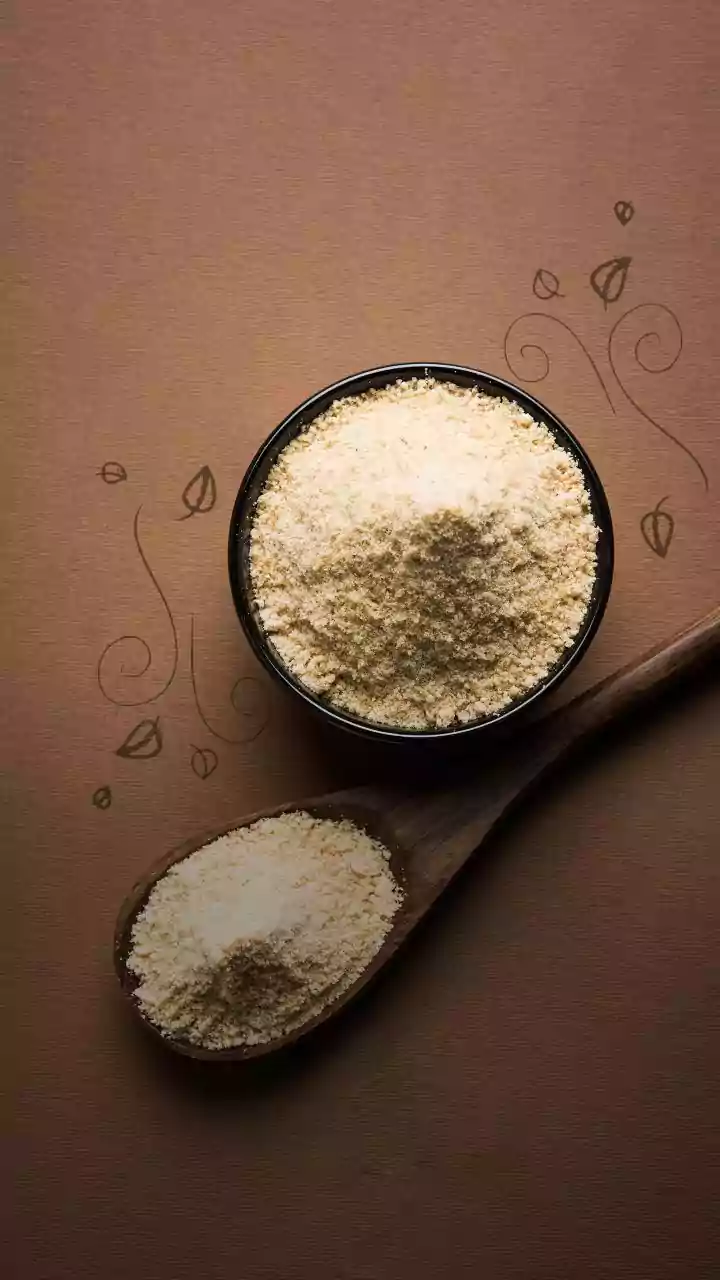
Urea is a particularly dangerous adulterant added to falsely increase protein readings and is harmful to the kidneys. To test for it, take a teaspoon of milk in a test tube or small glass. Add half a teaspoon of soybean or arhar (pigeon pea) powder and shake the mixture well. Let it stand for five minutes. Afterwards, dip a strip of red litmus paper into the solution. If the milk is adulterated with urea, the red litmus paper will turn blue. If it remains red, the milk is clear of this specific chemical. This test helps identify a non-obvious but serious adulterant.
Smart Storage for Maximum Safety
Beyond adulteration, improper storage can also compromise milk safety by allowing harmful bacteria to grow. The Food Safety and Standards Authority of India (FSSAI) provides clear guidelines. Raw milk should be cooled to below 4°C as quickly as possible to prevent microbial growth. Once a package of pasteurised milk is opened, it should be kept refrigerated and consumed within the recommended time frame. Always store milk in clean, sealed containers to prevent contamination from other foods and odours in the fridge. Avoid leaving milk out at room temperature for extended periods, as this is the primary cause of spoilage.