








Lower Production Estimates
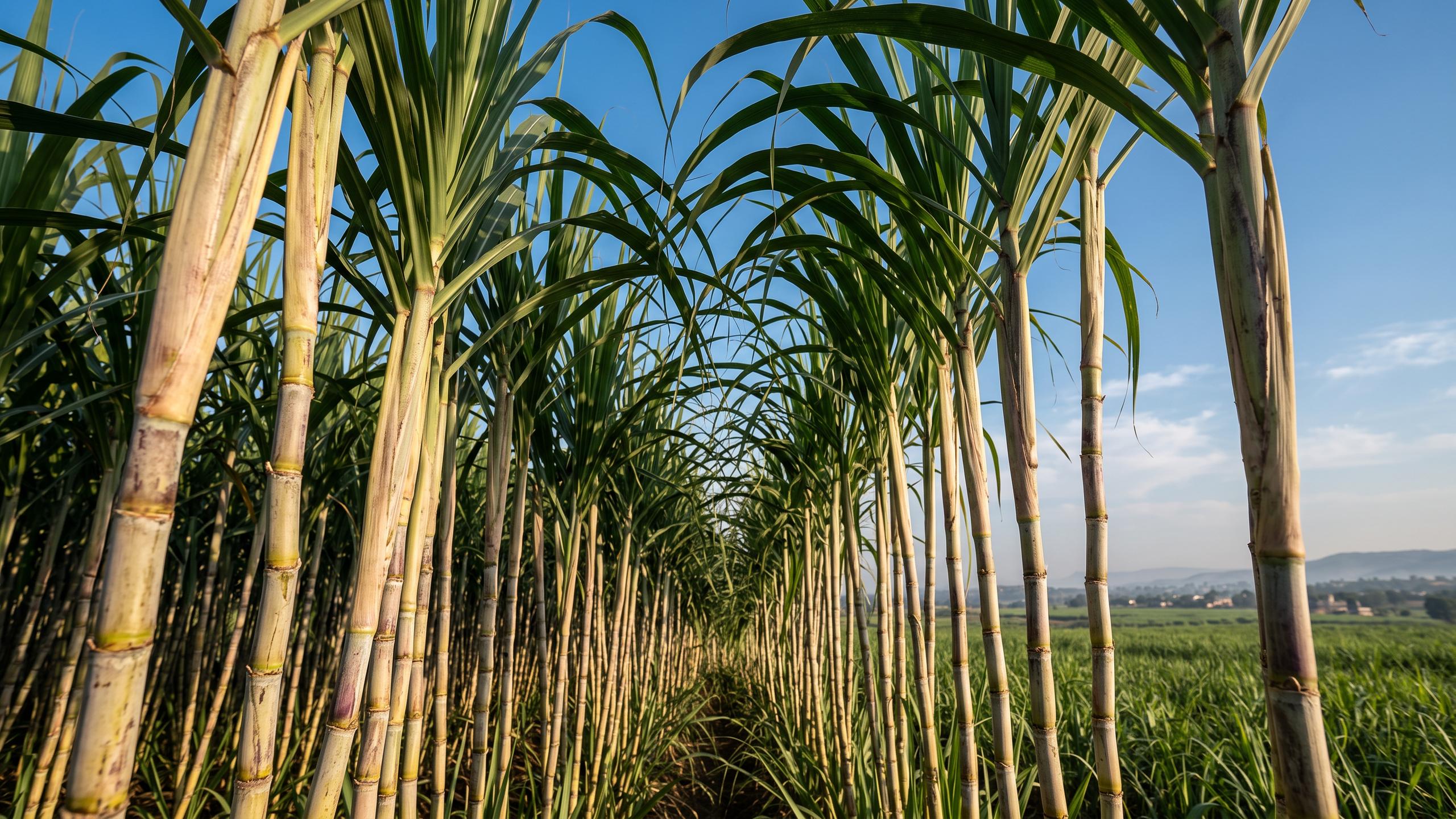
A primary driver of the price hike is the downward revision of sugar production estimates for the current season. Initial forecasts anticipated a healthy output of around 343 lakh metric tonnes (LMT), but this has since been revised to approximately 306-309
LMT. This significant shortfall is largely due to adverse weather conditions and crop-related issues. States like Maharashtra and Karnataka experienced excess rainfall and waterlogging, which hampered sugarcane growth and sucrose accumulation. Additionally, crop diseases such as Red Rot and pests like the Top Borer have affected yields in key areas like Uttar Pradesh, further tightening the domestic supply.
The Global Supply Crunch
India's price woes are not happening in a vacuum. The global sugar market is also facing a supply deficit, with international prices rising by over 16% in less than two months. Major sugar-producing nations like Brazil and Thailand have seen their harvests impacted by dry weather linked to the El Niño phenomenon. This has created a worldwide shortage, with analysts now forecasting a global sugar deficit for the sixth consecutive year. When international prices are high, it naturally puts upward pressure on domestic prices, even when local stocks are considered adequate.
Rising Festive Demand and Hoarding
The timing of the supply squeeze has been particularly challenging, coinciding with India's bustling festive season. Demand for sugar from households and bulk consumers like sweet makers naturally increases during this period. Authorities have also pointed to speculative hoarding by some traders and mills as a contributing factor, where stock is held back in anticipation of even higher prices. This artificial scarcity can exacerbate price hikes beyond what is justified by production figures alone. In response, the government has stepped in to curb these practices.
Government Policy Interventions
The Indian government has made several policy moves to manage the situation. Early in the season, based on optimistic production forecasts, exports were permitted. However, as the supply situation became clearer, a ban on sugar exports was implemented to protect domestic availability. More recently, the government announced it would permit the duty-free import of 1 million tonnes of raw sugar to bolster supplies. To combat hoarding, it has also imposed stock limits on sugar dealers and bulk consumers nationwide, with central and state teams conducting physical verification of stocks at mills.
The Ethanol Blending Question
India's push for ethanol-blended petrol (E20) has raised questions about its impact on sugar availability. The programme encourages diverting sugarcane for ethanol production to reduce reliance on imported crude oil. While some argue this diversion contributes to the sugar shortage, data suggests it may not be the primary culprit this time. In the current season, a larger proportion of ethanol was produced from grains like maize rather than sugarcane. Experts believe that while the ethanol policy is a factor, the unexpected drop in overall sugarcane production has had a much larger impact on prices.