







The Appeal of a Natural Approach
Tension headaches are one of the most common types of headaches, often described as a constant ache or pressure around the head, especially at the temples or back of the head and neck. While over-the-counter medications are effective, many people seek
complementary or alternative methods to manage their discomfort. This is where remedies rooted in tradition, like herbal compresses, find their modern-day appeal. A peppermint tea compress combines the therapeutic effects of temperature with the potential benefits of the herb itself, offering a simple, low-cost remedy you can prepare in your own kitchen.
Why Peppermint?
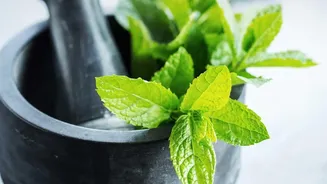
Peppermint has been used for medicinal purposes for thousands of years, with records of its use dating back to ancient Greece, Rome, and Egypt. Its primary active compound is menthol, which is responsible for its characteristic cooling sensation and crisp aroma. Scientific research into peppermint's headache-relieving properties has largely focused on peppermint essential oil, which is a highly concentrated extract. Studies have shown that topically applied menthol or peppermint oil can help relax muscles, improve blood flow, and activate cold-sensitive receptors in the skin, which may help dull the sensation of pain. While a tea compress contains a much lower concentration of these compounds than pure oil, the principle remains the same: to deliver the soothing properties of menthol and temperature directly to the area of tension.
How to Prepare a Peppermint Tea Compress
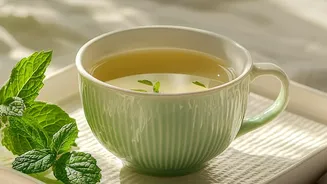
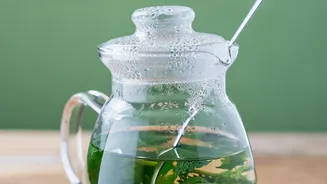
Creating your own peppermint tea compress is a simple process. Here’s a commonly described method: 1. Brew a strong cup of peppermint tea. Use two tea bags or one to two teaspoons of dried peppermint leaves per cup of hot water. 2. Let it steep for at least 10 minutes to ensure a potent infusion. It’s best to cover the cup while it steeps to trap the aromatic volatile oils. 3. Let the tea cool down to a temperature that is comfortable for your skin. You can use it warm for a more relaxing effect, or chill it in the refrigerator for a cool, refreshing compress that capitalizes on menthol’s cooling sensation. 4. Soak a clean, soft cloth (like a washcloth) in the tea. 5. Wring out the excess liquid so the cloth is damp but not dripping.
Application and Best Practices
Once your compress is ready, find a quiet, comfortable place to lie down. Dimming the lights can enhance the relaxing experience. Place the damp cloth across your forehead and temples, or on the back of your neck—wherever you feel the most tension. Close your eyes and breathe deeply, inhaling the gentle minty aroma. Leave the compress in place for about 15 to 20 minutes. You can repeat this process as needed throughout the day. For many, the combination of the compress, the calming scent, and the act of taking a quiet moment to rest provides a welcome sense of relief.
Managing Expectations and Potential Risks
It is important to approach this remedy with realistic expectations. While many people report personal success with peppermint tea compresses for mild tension headaches, scientific evidence specifically for the tea compress method is limited compared to studies on concentrated peppermint oil. This remedy is best viewed as a supportive measure for mild discomfort rather than a treatment for severe or chronic migraines. Peppermint is generally safe when applied to the skin, but allergic reactions can occur. Symptoms might include redness, itching, or a rash. It is always a good idea to perform a patch test on a small area of skin before applying the compress to a larger area like your forehead. Avoid contact with the eyes, as peppermint can cause irritation.