

Meet PRIMA: A New Window on the Universe
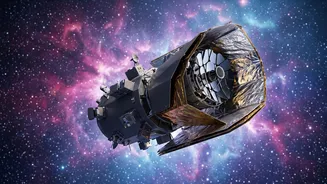
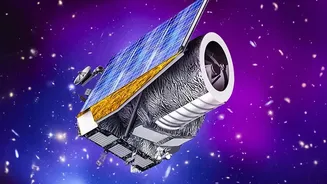
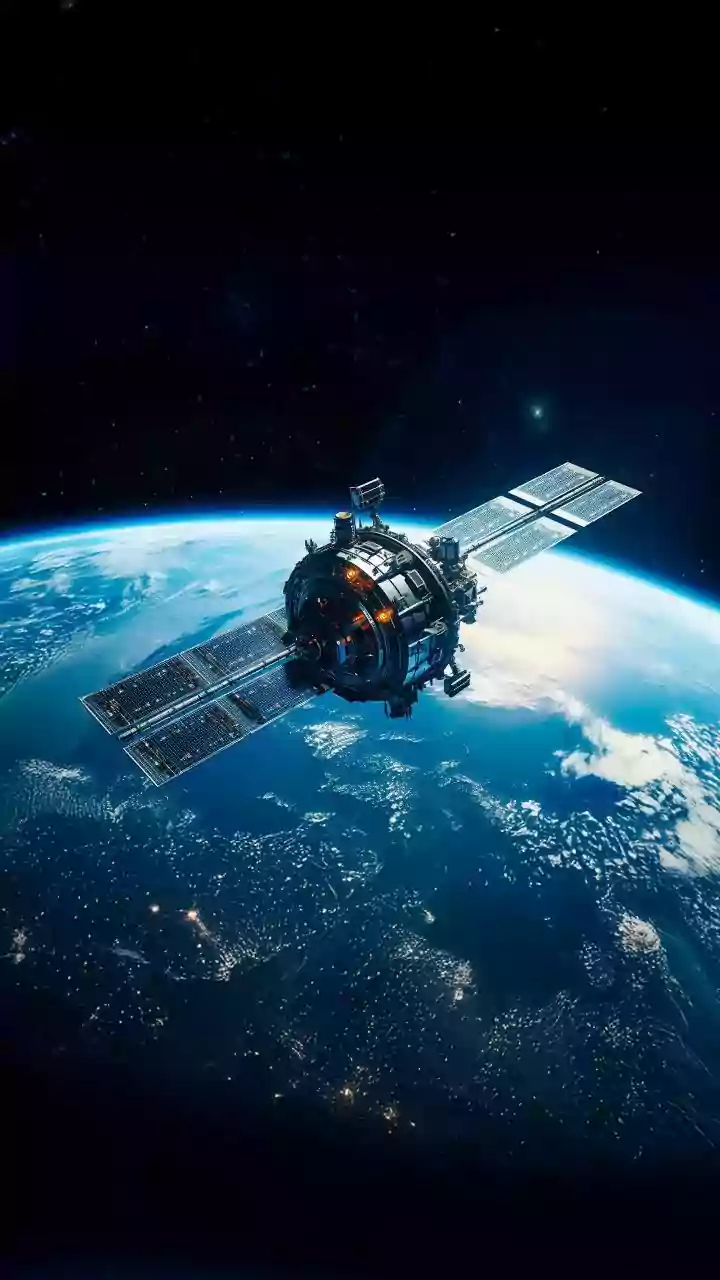
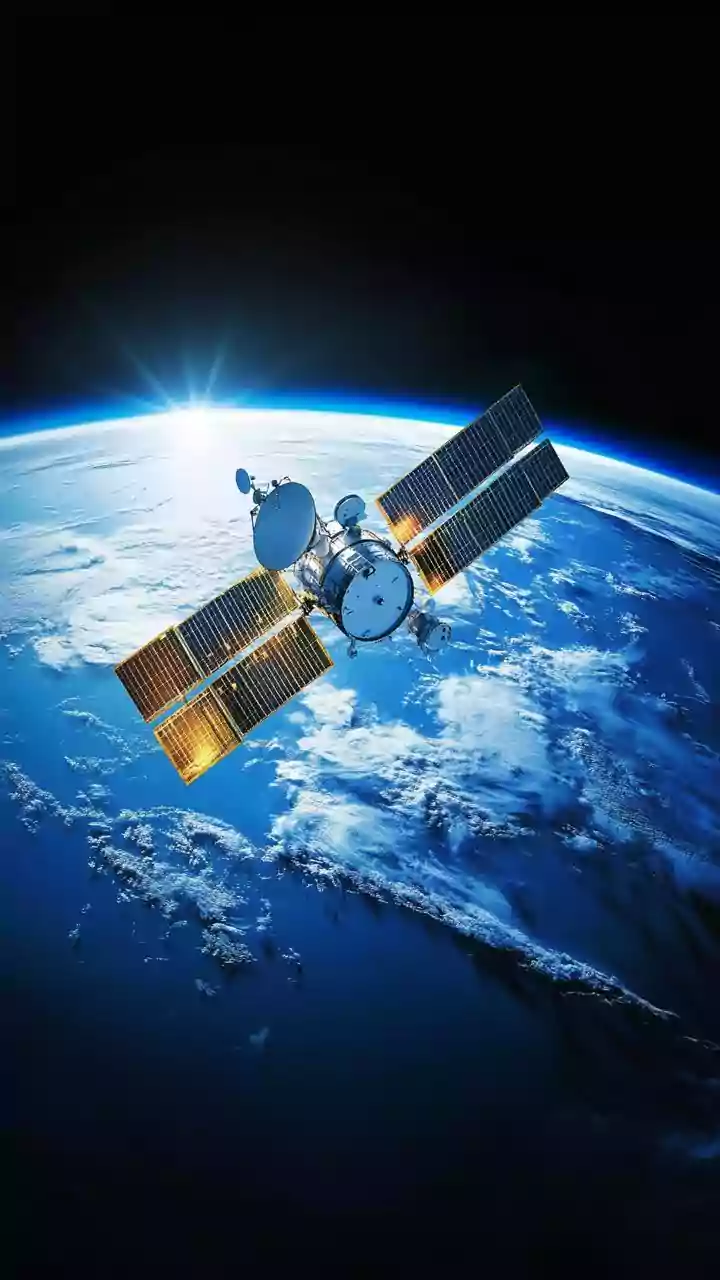
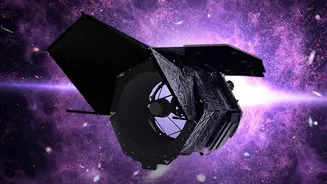
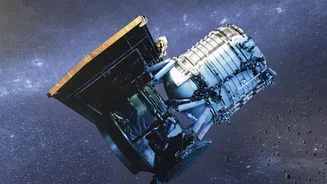
NASA has given the green light for the next stage of development for the PRobe far-Infrared Mission for Astrophysics, or PRIMA. This new space telescope is designed to see the cosmos in a light that is invisible to the human eye and even to telescopes
like Hubble and Webb. PRIMA will specialize in far-infrared wavelengths, which are essentially heat radiation. By detecting this faint glow, astronomers can study some of the coldest and most distant objects in the universe. Think of it as putting on a pair of thermal imaging goggles to see things that are otherwise hidden in the dark. PRIMA will feature a 5.9-foot (1.8-meter) cryogenically cooled telescope, allowing it to achieve unprecedented sensitivity in this crucial part of the spectrum. This mission represents a new class of cost-capped 'Probe Explorers' for NASA, with a project budget of around $1.2 billion.
Beyond Webb: Seeing What's Missing
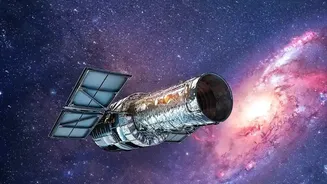
The James Webb Space Telescope (JWST) is a marvel of engineering that observes in near- and mid-infrared light. While revolutionary, there are cosmic phenomena that even it cannot see. Many of the universe's foundational processes, like the very first stages of planet formation and the inner workings of dusty galaxies, emit light at longer, far-infrared wavelengths. PRIMA is specifically designed to fill this observational gap, bridging the divide between what JWST can see and the even longer wavelengths picked up by radio telescopes on the ground. Scientists are particularly excited because key spectral lines needed to understand how planetary systems get their water and what their total mass is are only visible in the far-infrared. In essence, PRIMA isn’t a replacement for Webb, but a crucial partner that will provide a more complete picture of cosmic evolution.
The Cosmic To-Do List
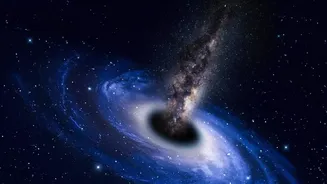
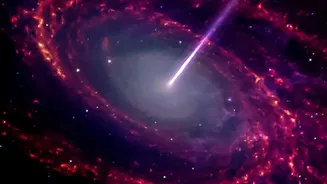
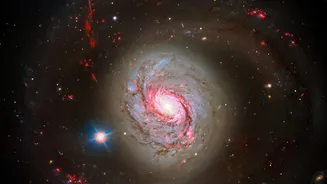
The scientific goals for PRIMA are as vast as the universe itself. The mission's primary objective is to tackle some of the biggest questions in astrophysics today. First, it will investigate how galaxies and their central supermassive black holes grow and evolve over billions of years. Much of this activity is shrouded in thick clouds of dust, making it invisible to other telescopes but perfectly suited for PRIMA's far-infrared vision. Second, it will study the birth of planets. By observing the 'snowlines' in protoplanetary disks—the regions where molecules like water freeze into ice—PRIMA will help scientists understand the origins of water on planets like Earth. Finally, the mission will trace how dust and heavy elements, the building blocks of planets and people, were created and dispersed throughout cosmic history.
The Long Road to Launch
A 2033 launch date may seem far away, but for a mission of this complexity, the clock is already ticking. PRIMA has now entered 'Phase B' of its development. This is a critical stage where engineers will finalize the preliminary design and mature the required technology. Before construction can begin in earnest (Phase C), the mission must pass a stringent confirmation review. This review will scrutinize every aspect of the project, from its technical readiness and management structure to its cost performance. This process is standard for large-scale NASA projects and ensures that taxpayer money is being spent effectively on a mission that has a high probability of success. If it clears this major hurdle, PRIMA will be on track to become humanity’s next great eye on the sky, with international partners from Canada, France, Germany, Japan, and others also contributing to the effort.