




A Station Defined by a Line
Before 1947, Attari was just another station on a busy railway line connecting Amritsar and Lahore, two cultural and commercial hubs of undivided Punjab. The grand Trunk Road and the railway tracks were arteries of a connected region. But with the stroke
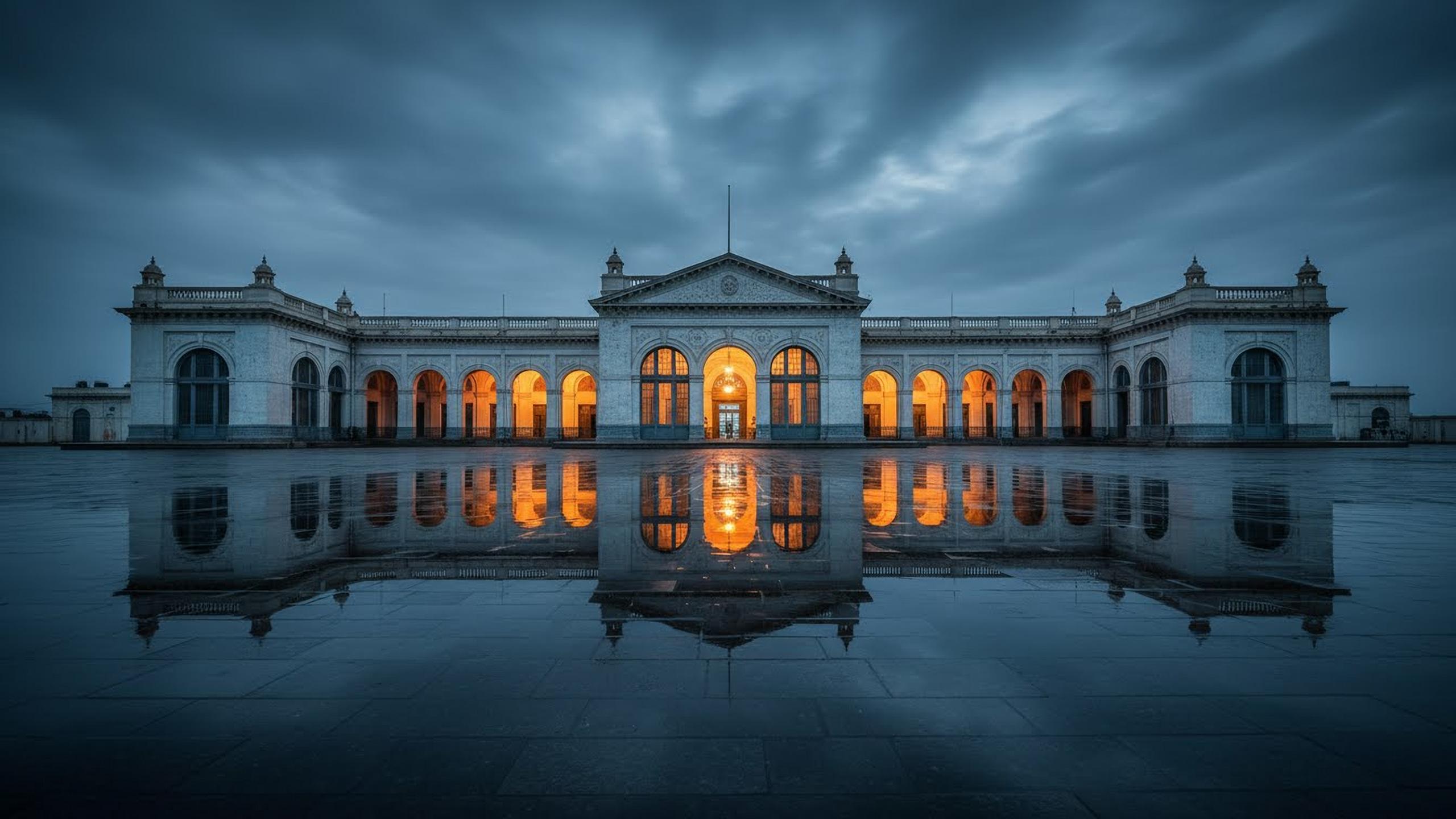
of a pen, the Radcliffe Line redrew the map, and Attari's identity was forever changed. It became the edge of India. The station witnessed the horrors of Partition, as trains crossed its path carrying not just hopeful migrants but also the victims of brutal violence, earning them the name 'ghost trains'. Overnight, it transformed from a simple transit point into a heavily fortified border post, a place of goodbyes and guarded hellos. Its architecture, a mix of British colonial engineering and Indo-Islamic design, stands as a relic of a unified past, now repurposed for a divided present.
The Lifeline Called Samjhauta Express
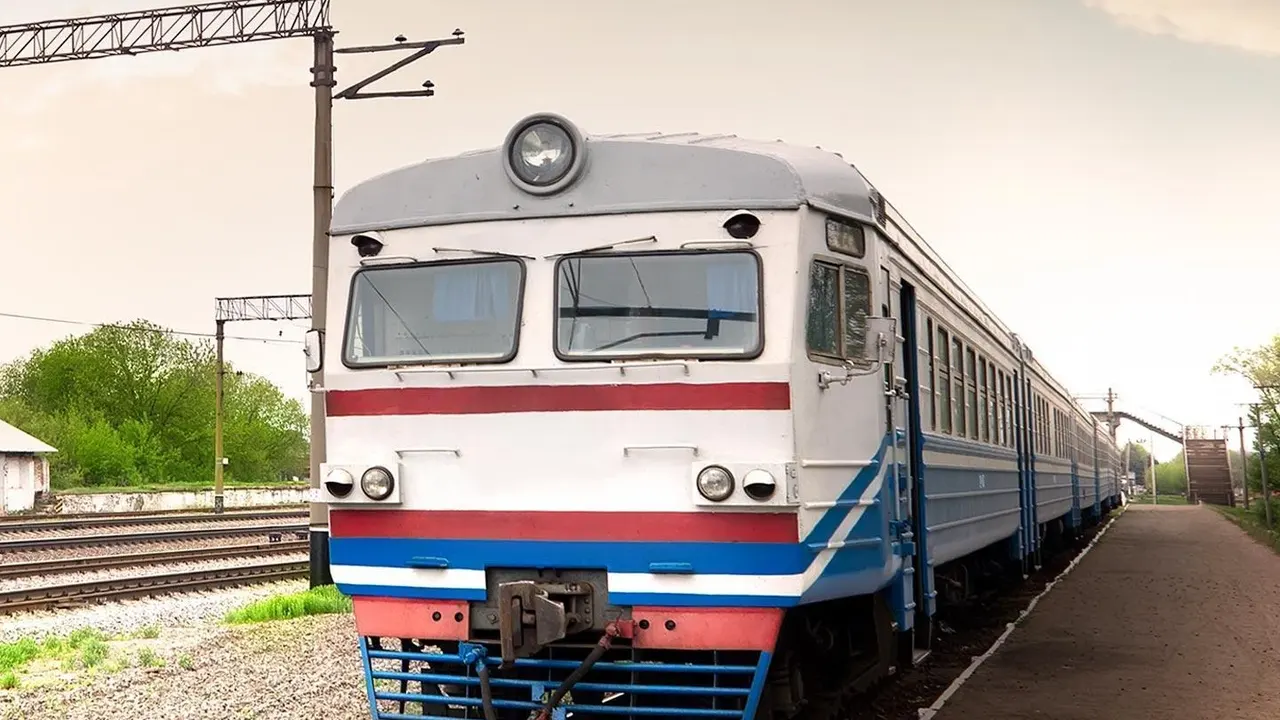
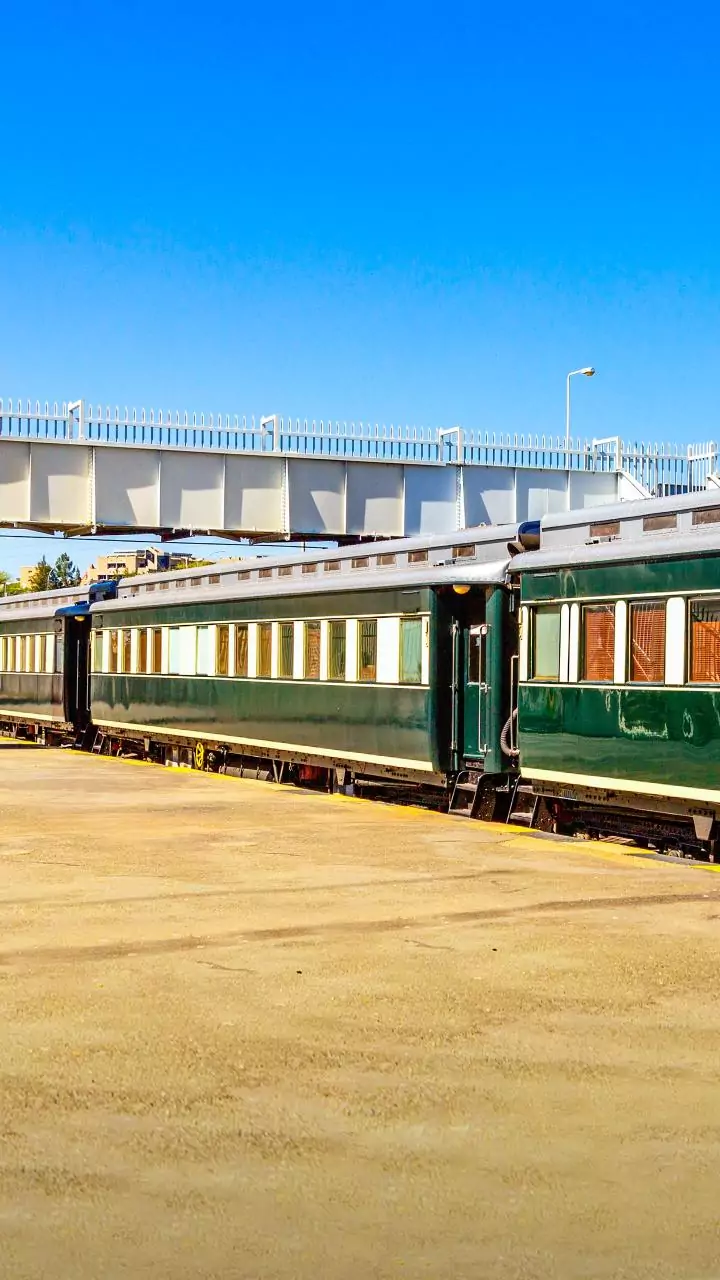
For decades, the most powerful symbol associated with Attari was the Samjhauta Express. Launched in 1976 following the Shimla Agreement, its name means 'agreement' or 'compromise'. This twice-weekly train was more than public transport; it was the most affordable and often the only link for families split across the border. The platforms at Attari have been stages for countless emotional reunions and tearful farewells. The journey itself was unique. Passengers would travel on an Indian train to Attari, undergo extensive customs and immigration checks, and then board a Pakistani train for the short 3 km trip to Wagah, and onward to Lahore. This station is one of the few in India where a visa and passport are mandatory just to enter the platform, a testament to its immense strategic and security importance.
A Barometer of Diplomatic Ties
The running of the Samjhauta Express has always been a direct reflection of the political temperature between India and Pakistan. The service has been suspended multiple times, almost always in the aftermath of major political or military crises. This happened after the 2001 Parliament attack, the tragic 2007 bombing of the train itself which killed 68 people, and again during periods of heightened border tension. Each time the train stopped, it signified a deep freeze in relations. Each resumption was hailed as a step toward peace. The passenger count on the train would often plummet during tense periods, turning a once-packed service into a near-empty one guarded by commandos. The station's activity, or lack thereof, became a reliable, real-world indicator of the state of diplomacy.
The Prevailing Silence
Since August 2019, following the political developments in Jammu and Kashmir, the Samjhauta Express has been suspended. Pakistan halted the service, and what was initially a temporary measure has now stretched into years. The passenger platforms at Attari, once filled with the buzz of multiple languages and the weight of cross-border emotions, are now mostly silent. While some freight traffic continues through the integrated check post, the human connection that the passenger train facilitated is gone. An Indian rake of the train reportedly remains parked at the Wagah station in Pakistan, a physical symbol of the suspended ties. The station, officially named Attari Sham Singh Railway Station after a famed Sikh general, currently serves as a quiet monument to a relationship paused.