








The Unseen Power of Oxygen
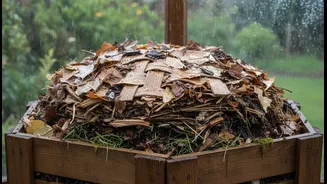
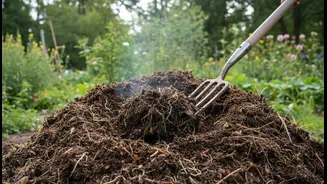
Composting is a living process driven by billions of tiny microorganisms. For them to work their magic efficiently, they need oxygen. This is called aerobic decomposition. When these microbes have plenty of air, they break down organic matter quickly,
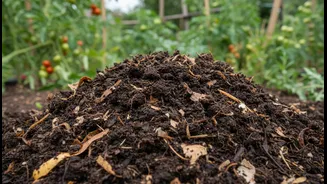
generating the heat necessary to kill off pathogens and weed seeds. The only byproducts are water, a little carbon dioxide, and that wonderful, earthy-smelling compost. Without enough air, a different set of microbes takes over in an anaerobic (oxygen-free) process. This is much slower and produces unpleasant smells, like rotten eggs or garbage, because it releases hydrogen sulfide and methane. Proper spacing ensures a constant supply of fresh air, keeping your compost pile sweet-smelling and productive.
How Much Space Is Enough?
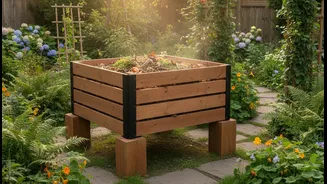
So, what does “breathing space” mean in practical terms? A good rule of thumb is to leave at least one to two feet of clear space around all sides of your compost bin. If you're placing it near a fence, wall, or in a corner, don't push it right up against the structure. This gap allows for crucial air circulation, letting oxygen permeate the pile from all directions. Bin designs often incorporate slats or holes to help with this, but external airflow is just as important. This spacing also has a practical benefit: it gives you room to work. You'll need to access the bin to turn the contents, add new material, and eventually harvest the finished compost. A little elbow room makes these tasks much easier.
Choosing the Perfect Spot
Beyond just airflow, the ideal location for your compost bin involves a few other factors. First, consider drainage. Place your bin on a patch of well-drained, bare soil if possible. This allows beneficial organisms like worms to find their way in and lets excess moisture drain away, preventing the pile from becoming a soggy, anaerobic mess. Avoid placing it in a low-lying area that collects water. Proximity to a water source, like a hose or rain barrel, is also helpful for times when your pile gets too dry. Finally, think about convenience. You want it close enough to your kitchen and garden to make trips easy, but perhaps not directly under a bedroom window or right next to your patio.
Sun or Shade? A Hot Debate
There's some debate about whether a compost pile should be in the sun or shade. A sunny spot can help the pile heat up, which accelerates decomposition. However, too much direct sun can dry the pile out quickly, which stalls the process just as much as too much water. A dry pile kills the microorganisms needed for breakdown. For this reason, a spot with partial shade is often considered the best compromise. It provides some warmth without the risk of baking the contents. If your only option is a full-sun location, just be prepared to monitor the moisture level more frequently and add water as needed. A good compost pile should feel like a wrung-out sponge.
Common Placement Mistakes to Avoid
To ensure composting success, steer clear of a few common placement errors. Don't place the bin directly against a wooden fence or the side of your house; the constant moisture can lead to rot and decay over time. Also, avoid placing it too close to large trees. While the shade is nice, aggressive tree roots can be drawn to the rich nutrients and invade your pile, making it difficult to manage. Keeping the bin away from high-traffic walkways is also wise for both aesthetic and practical reasons. By avoiding these pitfalls and giving your bin the space it needs, you create an ideal environment for nature to do its recycling work efficiently.