




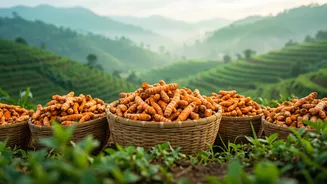
The Woman Behind the Golden Spice
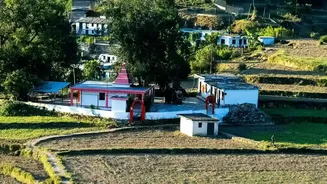
Trinity Saioo, often called 'Turmeric Trinity', is a name synonymous with the revival of one of India's most potent spices. A teacher from Mulieh village in the West Jaintia Hills, her journey began not in a boardroom, but in the very fields she now helps
transform. Initially a part-time farmer looking to support her own family, Saioo noticed the stark difference in earnings between the commonly grown 'Lachein' turmeric and a lesser-known local variety. In 2003, she decided to cultivate this other variety, called Lakadong. The results were staggering; her income doubled, then tripled. But her story isn't one of personal profit. It’s about what she did next. Recognizing the potential to lift her entire community, she began a mission to persuade other farmers, particularly women, to make the switch. For her transformative work, she was awarded the Padma Shri in 2020, India's fourth-highest civilian honour.
Meghalaya's Treasure: Lakadong Turmeric
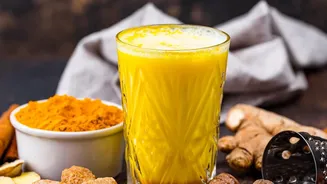
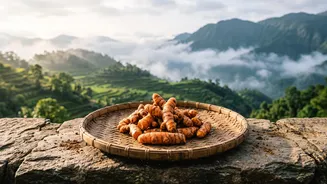
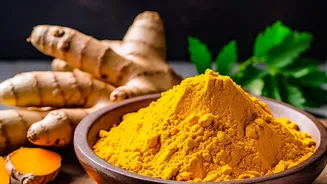
Not all turmeric is created equal. The Lakadong variety, which is native to the Jaintia Hills, is considered a super-spice for one key reason: its remarkably high curcumin content. Curcumin is the bioactive compound that gives turmeric its vibrant colour and powerful anti-inflammatory and antioxidant properties. While regular turmeric varieties contain about 2-4% curcumin, Lakadong consistently tests between 7% and 12%. This high concentration makes it more valuable in both culinary and medicinal markets. For generations, this potent spice was grown in small family plots, its true potential unrealized. Farmers faced challenges with low market demand and the high cost of seed rhizomes, which made it difficult for them to scale up from the less profitable local varieties. The region’s challenging terrain and a historical shift toward coal mining also led many to abandon farming altogether.
Harnessing Ancestral Wisdom
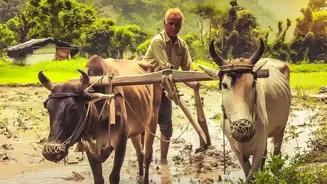
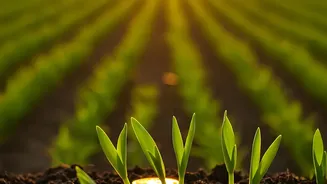
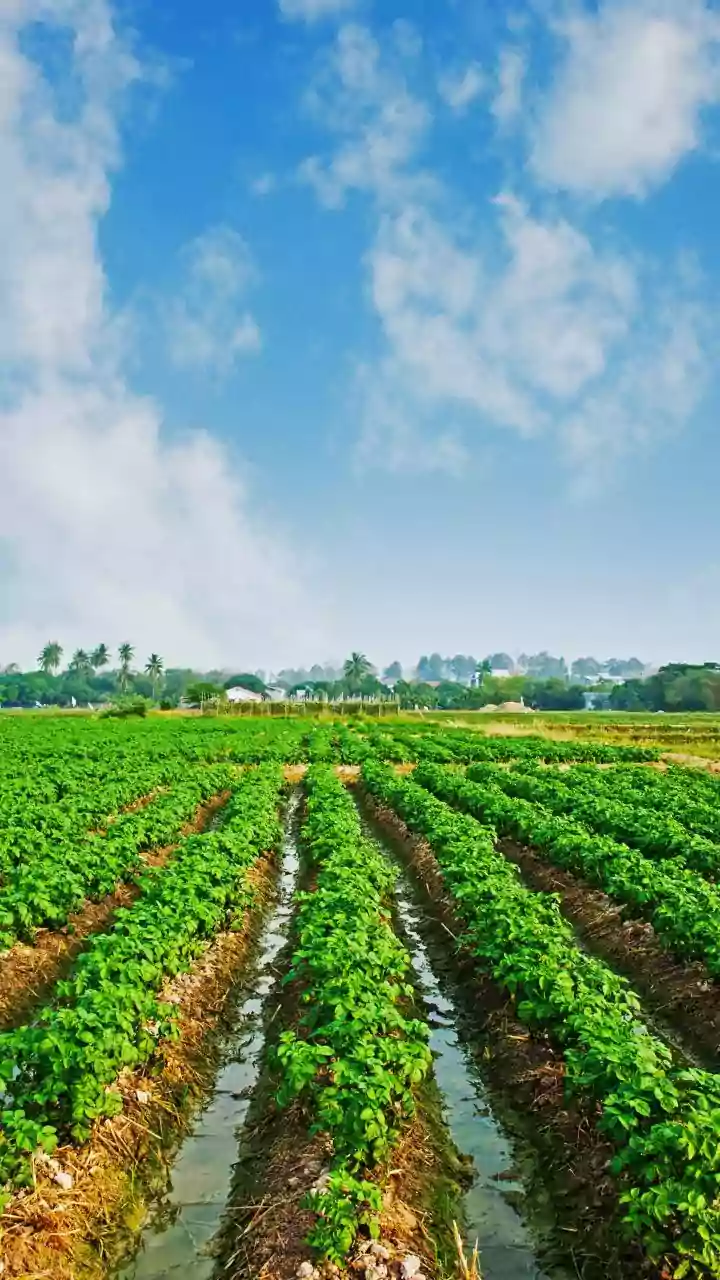
The success of the Lakadong revival lies in combining the inherent quality of the spice with generations of local knowledge. The initiative spearheaded by Saioo doesn't impose alien techniques; instead, it validates and organizes traditional practices that have been passed down through families. These methods are inherently organic. Farmers traditionally do not use chemical fertilizers or pesticides, relying instead on natural manure and cow urine to enrich the soil and manage pests. This local knowledge extends to every part of the cultivation cycle. Farmers know precisely which mother rhizomes to select for the next planting season, ensuring they are healthy and disease-free. They practice mixed cropping, planting turmeric alongside maize or chillies to maintain soil fertility, and use mulch like leaves and straw to retain moisture during the nine-month growing cycle. This deep understanding of the land, climate, and crop is the foundation upon which Saioo’s initiative is built.
From Farmer to Entrepreneur
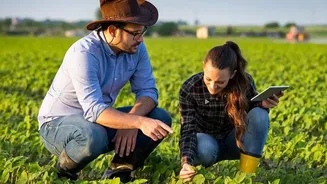
Trinity Saioo's true innovation was organizing this local knowledge into a powerful economic force. She began by guiding fellow farmers, many of them illiterate women, through the paperwork needed to access government subsidies from the Spices Board, which helped offset the high cost of Lakadong seed tubers. She has been instrumental in leading cooperative groups like the Life Spice Federation of Self-Help Groups, which now includes hundreds of women farmers. This collective approach has been transformative. The women work together on harvesting, sun-drying, slicing, and powdering the turmeric. By taking control of processing and value addition, they are no longer just growers but entrepreneurs who can command better prices. Saioo has also helped them navigate organic certification and marketing, connecting their produce to markets across India. This has enabled hundreds of women to achieve financial independence, with many tripling their incomes and gaining a new sense of dignity and empowerment.