


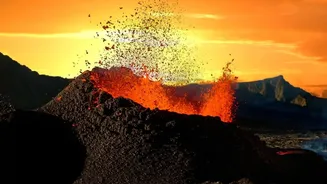
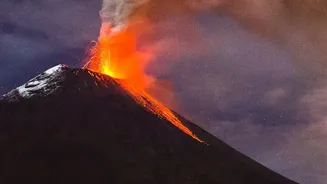
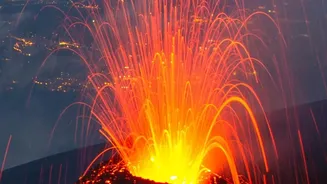
Volcán de Fuego, Guatemala (2018)
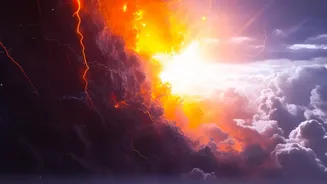
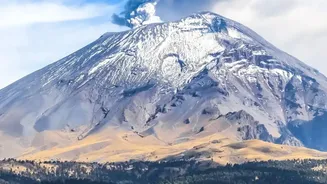
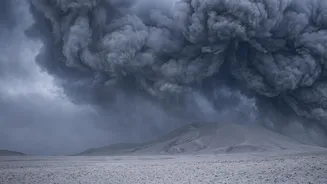
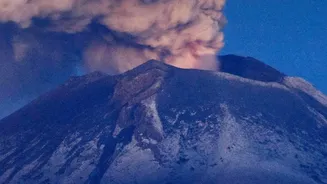
On June 3, 2018, Guatemala's "Volcano of Fire" lived up to its name with a catastrophic eruption, its deadliest in over a century. Fast-moving pyroclastic flows—scorching avalanches of hot gas, ash, and rock—swept down the mountain at speeds too fast
to outrun, engulfing villages like San Miguel Los Lotes and El Rodeo. The eruption gave residents almost no time to evacuate. While the official death toll was confirmed to be nearly 200, local organizations reported that thousands may have been buried or missing, a discrepancy highlighting the chaos of the event. Heavy rainfall following the eruption triggered secondary disasters in the form of lahars, or volcanic mudflows, which buried homes and cut off escape routes, compounding the tragedy for the communities living on Fuego's flanks.
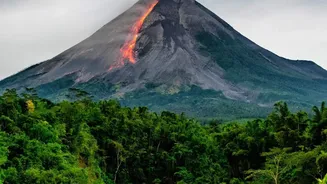
Mount Merapi, Indonesia (2010)
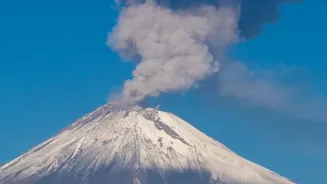
Mount Merapi, or "Fire Mountain," is one of Indonesia's most active and dangerous volcanoes. In late 2010, it began a series of violent eruptions that would last for over a month. The primary cause of death was the searing pyroclastic flows that raced down its slopes, devastating everything in their path. Despite timely warnings from scientists and mass evacuation efforts that moved nearly 350,000 people to safety, the eruption claimed more than 350 lives. Many victims were residents who had either returned to their homes in what they believed were lulls in the activity or had refused to leave their property and livestock behind. The eruptions were so powerful they blanketed the region in ash and caused major disruptions to air travel across Java.
Mount Nyiragongo, DR Congo (2002)
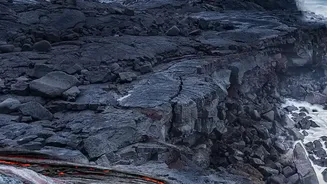
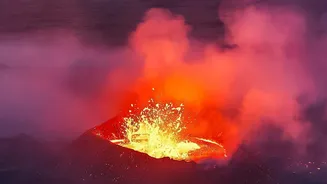
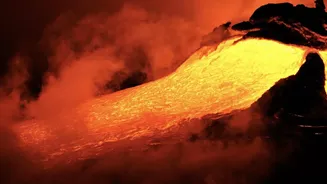
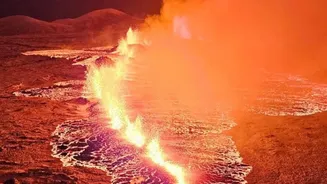
The 2002 eruption of Mount Nyiragongo was devastating due to the unique nature of its lava. On January 17, fractures opened on the volcano's southern flank, draining its massive summit lava lake. This unleashed rivers of extremely fluid, fast-moving lava that flowed directly into the city of Goma, just 17 kilometers away. The lava, moving at speeds up to 60 km/h on the upper slopes, destroyed an estimated 13% of the city, including homes and businesses, leaving 120,000 people homeless. The official death toll was around 245, with many fatalities resulting not from direct contact with lava but from carbon dioxide asphyxiation as the lava ignited fumes at a petrol station. The event highlighted the extreme danger posed by volcanoes located so close to major urban centers.
Mount Ontake, Japan (2014)
The eruption of Mount Ontake on September 27, 2014, was a different kind of tragedy. It was a sudden, steam-driven phreatic eruption that occurred without the typical warning signs of rising magma. The volcano was a popular destination for hikers, especially on a clear autumn weekend. Hundreds of people were near the summit at lunchtime when the explosion sent a cloud of toxic gas and hot ash billowing into the air. Sixty-three people were killed, making it Japan's deadliest volcanic disaster in nearly 90 years. Most victims were found near the peak, having succumbed to injuries from flying rocks or asphyxiation from the dense ash. The tragic event served as a stark reminder that even volcanoes considered relatively safe can erupt without warning, posing a deadly risk to anyone nearby.
Whakaari/White Island, New Zealand (2019)
A popular tourist destination, New Zealand's Whakaari/White Island was the site of a sudden and fatal eruption on December 9, 2019. Forty-seven people, mostly international tourists and their guides, were on the island when it erupted in a short-lived but violent explosion of steam, gas, and ash. The event was identified as a phreatic eruption, similar to Mount Ontake, which is notoriously difficult to predict. Twenty-two people lost their lives, either in the initial blast or later from severe burns, while many others suffered horrific injuries. The tragedy sparked intense debate and legal action regarding the safety of volcano tourism and the ethics of allowing visitors into the crater of an active volcano, even one that is closely monitored.