

Mount Nyiragongo, 2002: The Urban Eruption
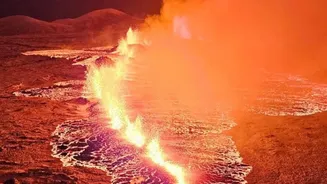
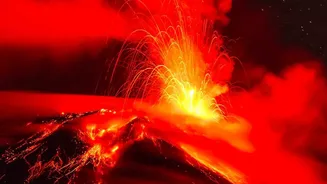
In January 2002, Mount Nyiragongo in the Democratic Republic of Congo unleashed a devastating eruption that redefined the threat of urban volcanology. Unlike many volcanoes, Nyiragongo is known for its extremely fluid and fast-moving lava. Fissures opened
on its flanks, sending rivers of molten rock pouring into the city of Goma, home to hundreds of thousands of people. The lava flow was relentless, destroying approximately 15% of the city, including homes, businesses, and a significant portion of the international airport's runway. The eruption left around 120,000 people homeless and claimed the lives of about 245 individuals, many from carbon dioxide poisoning. The event was a stark lesson in the vulnerability of urban centres located near active volcanoes. It highlighted the urgent need for better monitoring and city planning in volcanically active regions and shifted the focus of humanitarian aid to include economic recovery, as livelihoods were destroyed alongside infrastructure.
Mount Merapi, 2010: A Lesson in Forecasting
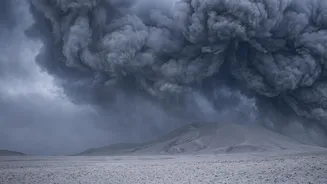
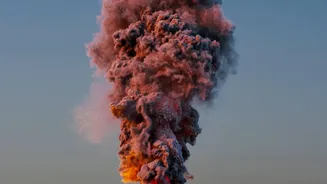
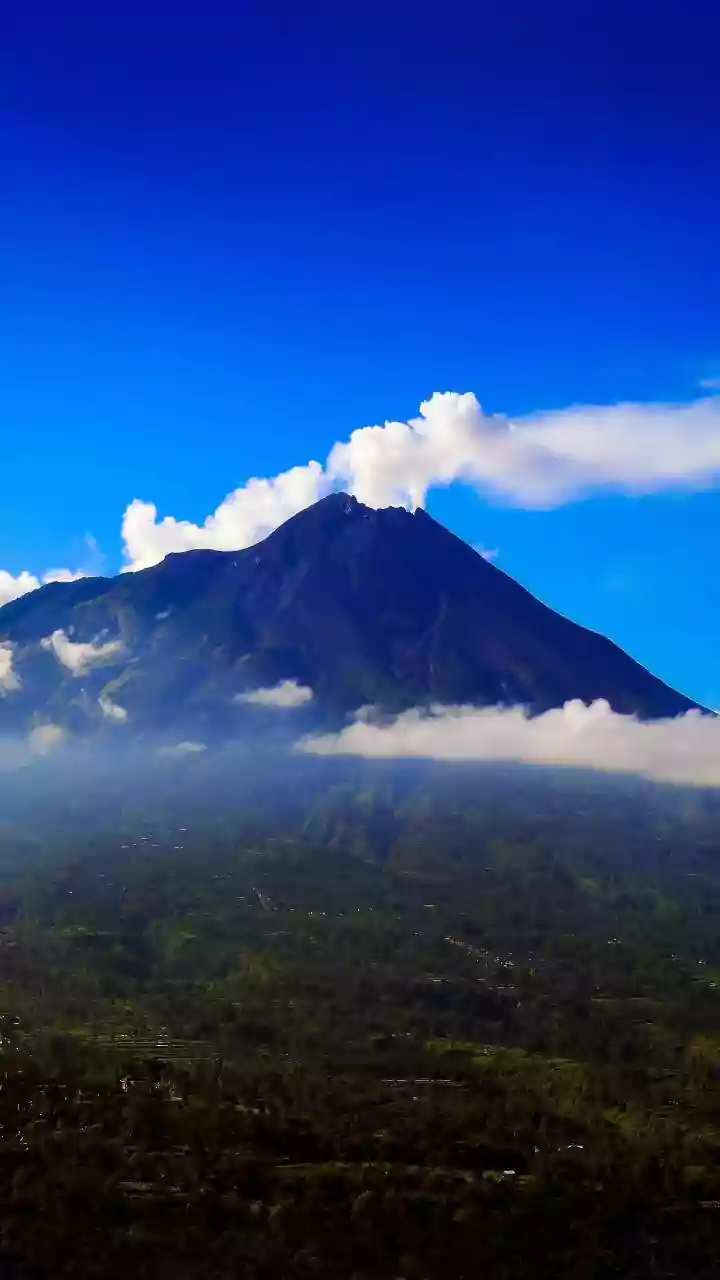
Mount Merapi in Indonesia is one of the most active and dangerous volcanoes in the world, situated in a densely populated region. Its 2010 eruption was its largest in over a century, unleashing violent pyroclastic flows—scorching avalanches of gas and volcanic debris. The series of eruptions, which lasted for over a month, resulted in the deaths of 386 people and forced the evacuation of more than 350,000 residents. The event was a tragic reminder of a volcano's destructive power, with ash plumes disrupting aviation across Java. However, it also became a landmark case for the success of modern volcanology. Indonesian scientists, using escalating seismic data, accurately forecast the eruption's large scale, leading to mass evacuations that saved tens of thousands of lives. In the aftermath, hazard maps were permanently revised, and significant investments were made in monitoring technology and public education, fundamentally improving the region's preparedness for future events.
Hunga Tonga-Hunga Haʻapai, 2022: The Global Shockwave
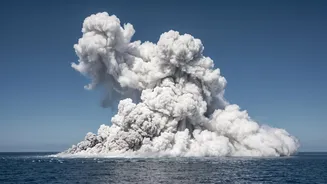
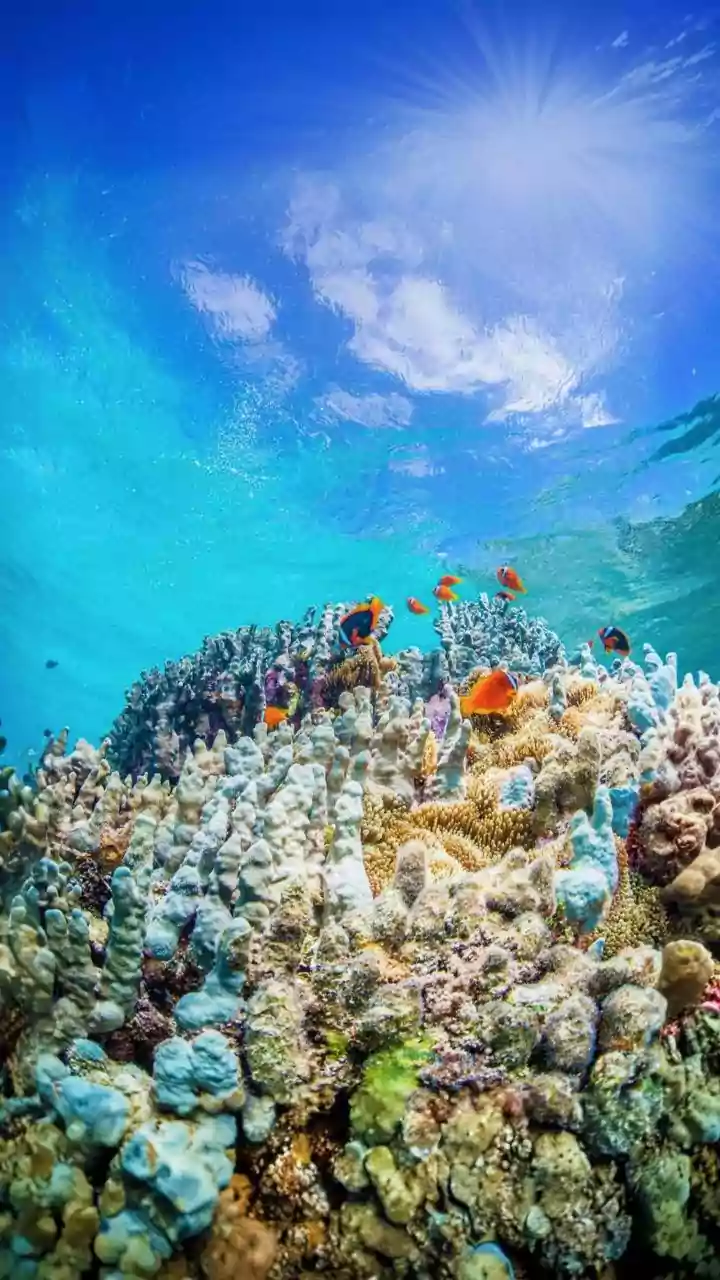
The eruption of the underwater Hunga Tonga-Hunga Haʻapai volcano in January 2022 was the largest explosive event of the 21st century, a blast more powerful than an atomic bomb. It sent an atmospheric shockwave circling the globe multiple times and generated a tsunami that caused damage across the Pacific, from Tonga to Peru. The eruption was unique because, as a submarine event, it injected an unprecedented amount of water vapour into the stratosphere—increasing the global total by about 10%. This massive plume reached a record height of 58 kilometres, providing scientists with a rare opportunity to study its effects on the ozone layer and atmospheric chemistry. While the death toll was remarkably low due to effective local warnings, the eruption obliterated an island, severed underwater communication cables, and contaminated water supplies with ash. The event revolutionised scientific understanding of submarine volcanic hazards and highlighted the need for better monitoring of underwater volcanoes, which pose a distinct and global threat.