


A Mission with a Taste of Home
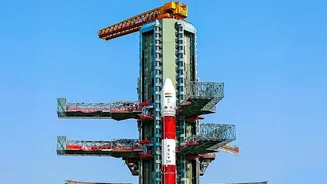
While the headline mentions Axiom-4, the mission in question is a landmark collaboration between NASA and ISRO that sent Indian Air Force Group Captain Shubhanshu Shukla to the International Space Station (ISS). This historic flight marked the first time
an Indian astronaut has been on the ISS. A key part of preparing for this journey involved ensuring Shukla had a connection to home, and there's no better connection than food. The task fell to the Mysuru-based Defence Food Research Laboratory (DFRL), a wing of the Defence Research and Development Organisation (DRDO) renowned for creating specialized meals for soldiers and scientists in extreme environments.
The Science of Space-Ready Cuisine
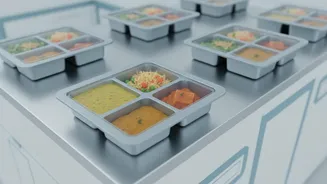
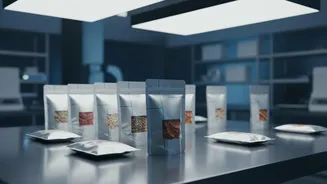
You can't just pack a tiffin for space. Food for astronauts has to meet incredibly strict criteria. It must be low-weight, low-volume, and have a long shelf life without refrigeration. More importantly, it must be safe to eat in a zero-gravity environment. Crumbs or floating liquids can damage sensitive equipment, so foods that crumble, like bread, are off the menu. DFRL scientists employ techniques like dehydration and thermal stabilization to create meals that are safe, nutritious, and easy to handle. The meals are packed in special multi-layered pouches from which astronauts can eat directly after adding water.
An Ambitious Menu for the Cosmos
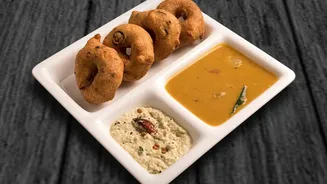
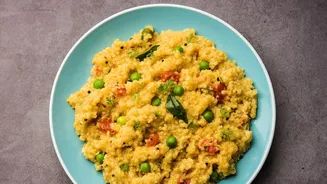
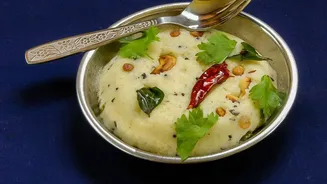
DFRL pulled out all the stops, developing an extensive menu that reads like a dream for any Indian food lover. The lab prepared dozens of dishes for consideration, aiming to get as many certified for space as possible, not just for this mission but also for India's own upcoming Gaganyaan human spaceflight program. The prospective menu included comfort food staples like khichdi, vegetable biryani, sambar chawal, and parathas. For breakfast, options like idli-sambar and upma were developed, while main courses featured chicken korma and various katti rolls. The list was a testament to India's rich culinary diversity, all re-engineered for the final frontier.
The Final Selection
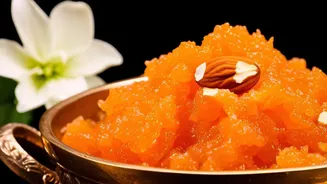
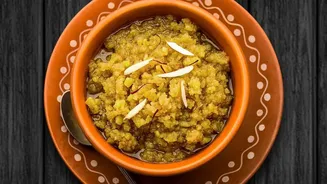
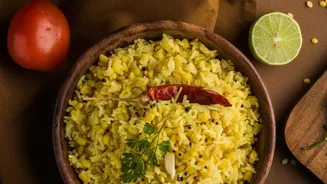
Despite the wide array of dishes developed, the final approved list was surprisingly short. After rigorous testing and evaluation by both Indian agencies and NASA, only three items made the final cut for Shukla's mission: Gajar ka Halwa, Moong Dal ka Halwa, and Aamras (mango pulp). According to Shukla, the primary reason more dishes weren't approved was a lack of time for the extensive qualification tests required. Each food item has to pass stringent checks for microbial safety, stability, and compatibility with microgravity. While savory dishes like khichdi and pulao didn't make it this time, the three approved sweets were a symbolic victory for Indian cuisine in space.
More Than Just a Meal
The effort to send Indian food to space goes beyond simple nutrition. For astronauts on long-duration missions, food plays a vital psychological role, offering comfort and a tangible link to their culture and home. Shukla himself mentioned that after about two weeks in orbit, he began craving familiar salty and spicy flavours. Interestingly, while he carried the Indian sweets, he shared them with his international crewmates who reportedly enjoyed them immensely. This act of sharing food became a moment of cultural exchange aboard the ISS. After his return, he was greeted by his flight surgeon with banana chips and bhakarwadi, simple snacks that were a welcome taste of home. The experience has provided invaluable feedback for DFRL, which continues to refine and expand its menu for future Gaganyaan astronauts, ensuring they too will have a comforting taste of home among the stars.