





Yoga: The Art of Internal Control
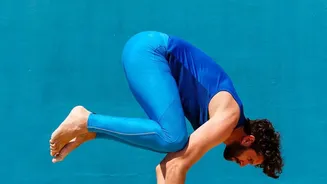
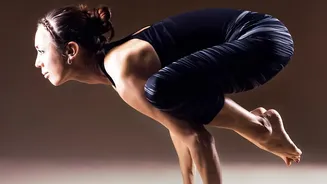
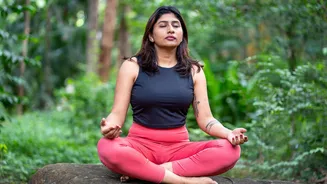
Yoga is often associated with flexibility and stress relief, but its power in building functional strength is profound. The magic lies in controlled muscle activation, particularly through isometric contractions. This occurs when you hold a pose, like
Warrior II or Plank, engaging muscles without changing their length. Instead of dynamic movement, your muscles are in a state of static tension. This process does more than just build strength; it refines the mind-muscle connection. By holding a challenging posture, you are training your nervous system to 'fire up' specific muscles, including smaller stabilising ones that are often neglected in traditional gym workouts. This heightened awareness, known as proprioception, is the body’s ability to sense its position in space. Better proprioception means improved balance, more precise movements in daily life, and a lower risk of injury because your body becomes smarter at stabilising itself.
Skipping: The Science of Rhythmic Precision
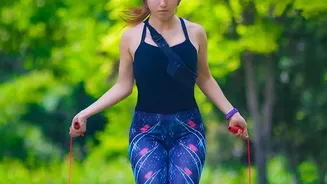
If yoga is about static control, skipping—or jumping rope—is about dynamic, rhythmic power. Its primary benefit is not just cardiovascular endurance, but the development of precise footwork and agility. Each jump is a low-intensity plyometric exercise, a movement that involves a rapid stretch and contraction of muscles. This stretch-shortening cycle trains the muscles and tendons in your lower legs, particularly the calves, to absorb and produce force efficiently. Think of it as teaching your feet to be light and springy. The consistent rhythm of the rope forces your body to develop impeccable coordination between your hands, feet, and core. It's a self-correcting tool; if your rhythm or timing is off, you trip. This constant feedback loop sharpens neuromuscular coordination, leading to faster feet, enhanced balance, and the kind of controlled agility essential in many sports. You learn to move quickly and change direction while maintaining complete control.
A Perfect Partnership for Complete Fitness
On the surface, the quiet stillness of yoga and the high-tempo beat of skipping seem worlds apart. However, their benefits are incredibly complementary, creating a well-rounded fitness profile when combined. The core strength, stability, and body awareness gained from yoga provide a solid foundation for the dynamic movements of skipping. A stable core and engaged stabiliser muscles, honed through yoga, can improve your posture and efficiency while jumping, preventing energy leaks and reducing the risk of strain. Conversely, skipping provides the high-intensity cardiovascular conditioning that many yoga practices lack. It builds explosive power and endurance that can help you sustain longer holds in more demanding yoga sequences. While yoga builds the control system, skipping trains the execution of rapid, coordinated movements. The combination creates an athlete who is not just strong and stable, but also agile and powerful.
Which One Is Right for You?
Choosing between yoga and skipping depends on your goals, but embracing both might be the best strategy. If your primary goal is to improve posture, balance, and mind-body connection, or to build strength without high impact, yoga is an excellent choice. It is particularly beneficial for developing functional strength that supports everyday movements. If you're an athlete looking to improve foot speed, agility, and cardiovascular endurance, skipping is one of the most efficient tools available. It's a fantastic way to build explosive power and stamina. For the everyday fitness enthusiast, blending the two offers the best of both worlds. You can use skipping as a dynamic warm-up before a yoga session or alternate between the two on different days of the week. This approach ensures you're building both stability and stamina, control and coordination, leading to a more resilient and capable body.