




The Golden Spice: Meet Calendula
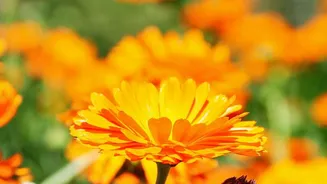
Often called 'pot marigold', calendula is famous for its sunny, golden-orange petals. But these flowers are more than just a pretty face. The petals have a surprisingly complex flavour that is peppery, tangy, and slightly spicy. Some compare it to saffron,
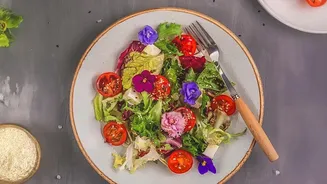
and for centuries it has been nicknamed the 'poor man's saffron' for its ability to lend a beautiful golden colour to dishes like rice, butter, and soups. When using calendula, it is best to stick to the petals, as the green centre of the flower can be bitter. Simply sprinkle the fresh, vibrant petals over a finished salad for a splash of colour and a warm, zesty note that pairs wonderfully with vinaigrettes and fresh vegetables.
The Cool Refresher: Discover Borage
Borage is a showstopper in the garden with its enchanting, star-shaped blue flowers. Unlike the spicy kick of calendula, borage offers a flavour that is remarkably cool, clean, and fresh. Most people describe its taste as being identical to that of a crisp cucumber, making it a natural fit for summer salads and cold drinks. The entire flower can be eaten, and its delicate texture adds a lovely contrast to crunchy lettuce and other greens. Borage flowers are a classic garnish for a Pimm's Cup cocktail and can be frozen into ice cubes to create a stunning visual for lemonades and gin and tonics. Their refreshing quality can instantly elevate a simple cucumber and tomato salad into something much more memorable.
Beyond the Salad Bowl
While both flowers shine in salads, their culinary uses don't stop there. Calendula's robust flavour and colour hold up well in cooked dishes. You can stir the petals into scrambled eggs, soups, and stews in the last few minutes of cooking. They can also be baked into breads or blended into herbed butters to add a golden hue and peppery notes. Borage, being more delicate, is best used in cold preparations. The flowers are a beautiful decoration for cakes and desserts. You can float them in chilled soups like gazpacho or press them onto soft cheeses for an elegant appetiser. One of the most popular ways to use borage is to freeze the flowers in ice cube trays, creating beautiful floral ice that adds a touch of magic to any beverage.
From Your Garden to Your Plate
One of the best things about calendula and borage is that they are incredibly easy to grow at home, even in Indian climates. Calendula thrives in sunny spots and is not fussy about soil. Borage also loves the sun and grows quickly from seed, attracting plenty of bees to your garden which helps pollinate other plants. Growing your own ensures a fresh, pesticide-free supply. When harvesting, it's best to pick flowers in the cool of the morning. Always wash them gently before use. Crucially, only consume flowers that you can positively identify and that you know have been grown without chemical sprays. Never eat flowers from a florist or garden centre, as they are often treated with chemicals not safe for consumption.