


The Soul of a Handcrafted Art
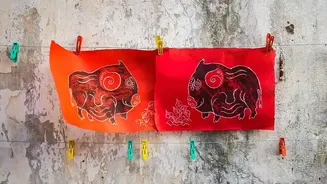
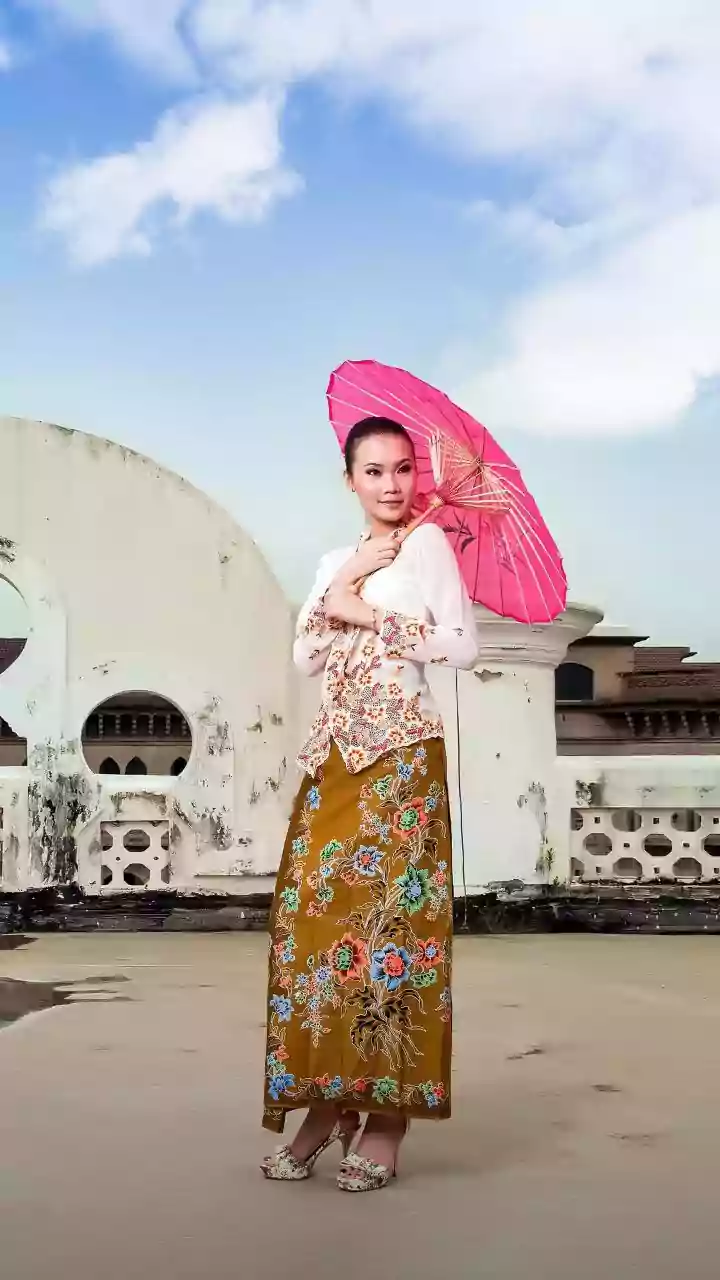
Unlike a mass-produced poster that is printed by a machine in seconds, every piece of authentic batik is a testament to human touch and patience. Originating centuries ago in regions like Indonesia and Malaysia, Batik is a meticulous process of wax-resist
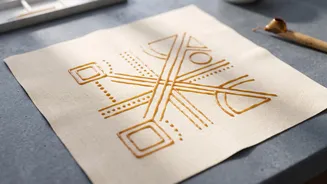
dyeing applied to fabric. Artisans use a pen-like tool called a 'canting' to draw intricate designs with hot wax. The fabric is then dyed, and the waxed areas resist the color. This process can be repeated multiple times to create complex, multi-layered patterns. The final step involves boiling the cloth to remove the wax, revealing the stunning design underneath. This handmade nature means no two pieces are ever identical. Each textile carries the subtle imperfections and unique character of its creator, offering a story and a soul that a digital print cannot replicate.
A Rich Tapestry of Culture and Meaning
Batik is far more than just a decorative pattern; it is a narrative art form steeped in cultural significance. Recognized by UNESCO as a Masterpiece of the Intangible Cultural Heritage of Humanity, the craft is deeply intertwined with the identity of Indonesian people and other cultures across Asia. Different motifs hold specific symbolic meanings, telling stories of nature, mythology, social status, and spirituality. For example, the 'Parang' motif, with its diagonal lines, traditionally symbolises strength and was once reserved for royalty. Other patterns might be used for significant life events like weddings or births, believed to bring luck or blessings. When you hang a piece of Batik, you are displaying a fragment of a rich cultural history, making it a powerful conversation starter and a connection to a timeless tradition.
Texture and Warmth That Prints Can't Match
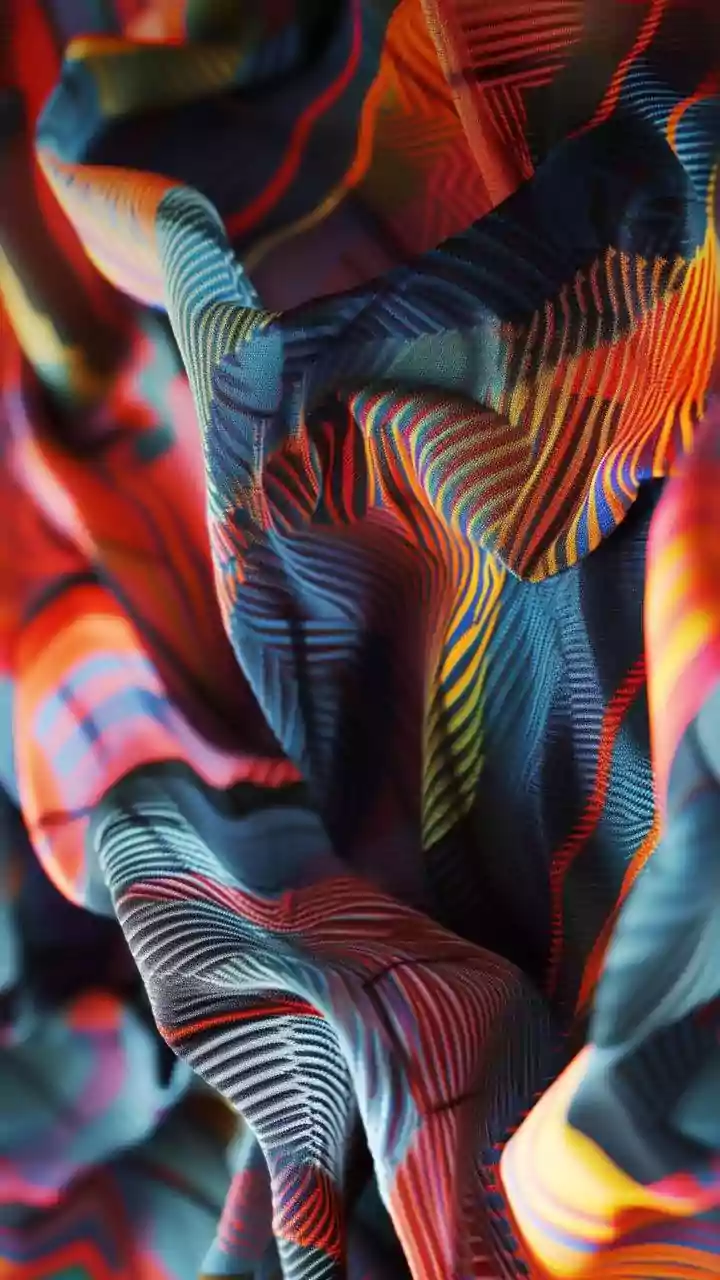
One of the most compelling reasons to choose batik over a paper or canvas print is its textural quality. While posters are flat and canvas prints have a uniform, mechanical texture, batik offers the organic, tactile dimension of fabric. Made from natural fibers like cotton or silk, a batik wall hanging adds a layer of softness and warmth to a room, which is especially effective in spaces with hard surfaces like wooden floors and stark walls. The way natural light plays on the fabric, highlighting the weave and the slight crackle inherent in the wax-resist patterns, creates a dynamic visual that changes throughout the day. Unlike framed prints behind glass, which can suffer from glare, a fabric hanging absorbs light, providing a soft, engaging focal point from any angle.
Styling Batik in the Modern Indian Home
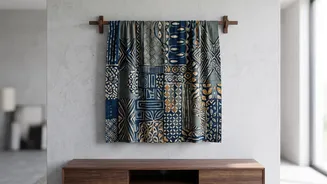
Incorporating batik into your decor is surprisingly versatile. For a bold statement, a large, unframed textile can act as a magnificent tapestry, becoming the central anchor for a living room or bedroom. You can hang it using a simple wooden or brass dowel rod for a look that is both classic and clean. For smaller pieces or to create a more formal display, batik can be professionally framed. It looks particularly striking when mounted with space around it to breathe, allowing the pattern to stand out. Don't be afraid to mix it with contemporary decor; the organic patterns of batik can beautifully soften the clean lines of modern furniture. It pairs wonderfully with natural materials like wood, rattan, and linen, creating a space that feels both sophisticated and grounded.