




The Science of the Lean
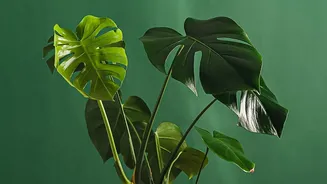
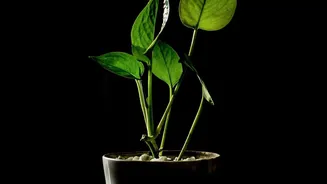
That dramatic lean towards the light has a scientific name: phototropism. It's a plant's natural survival mechanism to maximize its access to light for photosynthesis, the process of converting light into energy. This response is controlled by a growth
hormone called auxin. When light hits one side of a plant, auxins concentrate on the shaded side. This buildup causes the cells on the darker side to elongate faster than the cells on the sunny side, resulting in the stem bending and growing towards the light source. While brilliant for survival in the wild, in a living room it results in a lopsided, and sometimes weakened, plant.
The Simple Quarter-Turn Solution
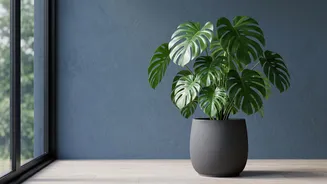
The easiest and most effective way to counteract phototropism is surprisingly simple: rotate your plants. By regularly turning your plant, you ensure that all sides receive relatively equal light exposure over time. This encourages the plant to grow more evenly and vertically, promoting a fuller, more symmetrical, and structurally stronger shape. The standard recommendation is to give your pot a quarter-turn (90 degrees) at a time. This gradual shift prevents shocking the plant with a sudden, drastic change in its light source, which can happen if you spin it 180 degrees all at once.
How to Build a Consistent Routine
Consistency is more important than perfect timing. The ideal frequency for rotation depends on your plant's growth rate and the intensity of the light. A great rule of thumb is to give your plant a quarter-turn every time you water it. This makes the habit easy to remember and integrates it into your existing care schedule. Faster-growing plants in bright spots, like a Pothos or Monstera near a south-facing window, will benefit from more frequent rotation, perhaps weekly during the growing season (spring and summer). Slower growers in lower light, such as a ZZ plant or Snake Plant, won't lean as quickly and may only need a turn every few weeks or once a month.
Reading Your Plant’s Other Signals
While leaning is a primary sign of light-seeking, your plant has other ways of telling you it's unhappy with its lighting. 'Leggy' or stretched-out growth, with long gaps between leaves, indicates the plant is desperately reaching for more light. Conversely, scorched or brown spots on leaves can be a sign of too much direct sun. Leaves turning pale or yellow can also signal that the light is too intense. Paying attention to these clues will help you find the perfect spot for your plant, where rotation can manage its shape rather than just compensating for a poor location.
Not All Windows Are Created Equal
The direction your window faces dramatically impacts the light your plant receives. South-facing windows offer the most intense, direct light, ideal for sun-lovers like cacti and succulents. East-facing windows provide gentler morning sun, perfect for many tropical houseplants like ferns and philodendrons. West-facing windows get strong, hot afternoon sun, while north-facing windows offer the least light. Understanding your home's light helps you place plants correctly from the start. A plant in a north-facing window will stretch towards the light far more aggressively than one basking in an east-facing spot.
When Rotation Isn't Quite Enough
For some plants, especially in darker homes or during winter, rotation alone may not solve uneven growth. If a plant has developed a very severe lean over time, you may need to provide physical support like a moss pole or stake to help straighten it. For spaces with very little natural light, supplementing with a grow light can be a game-changer. Placing a light directly above the plant encourages vertical growth and eliminates the pull from a side window altogether, keeping your plant naturally upright and full.