


What Is Nuclear Propulsion?
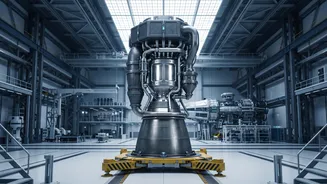
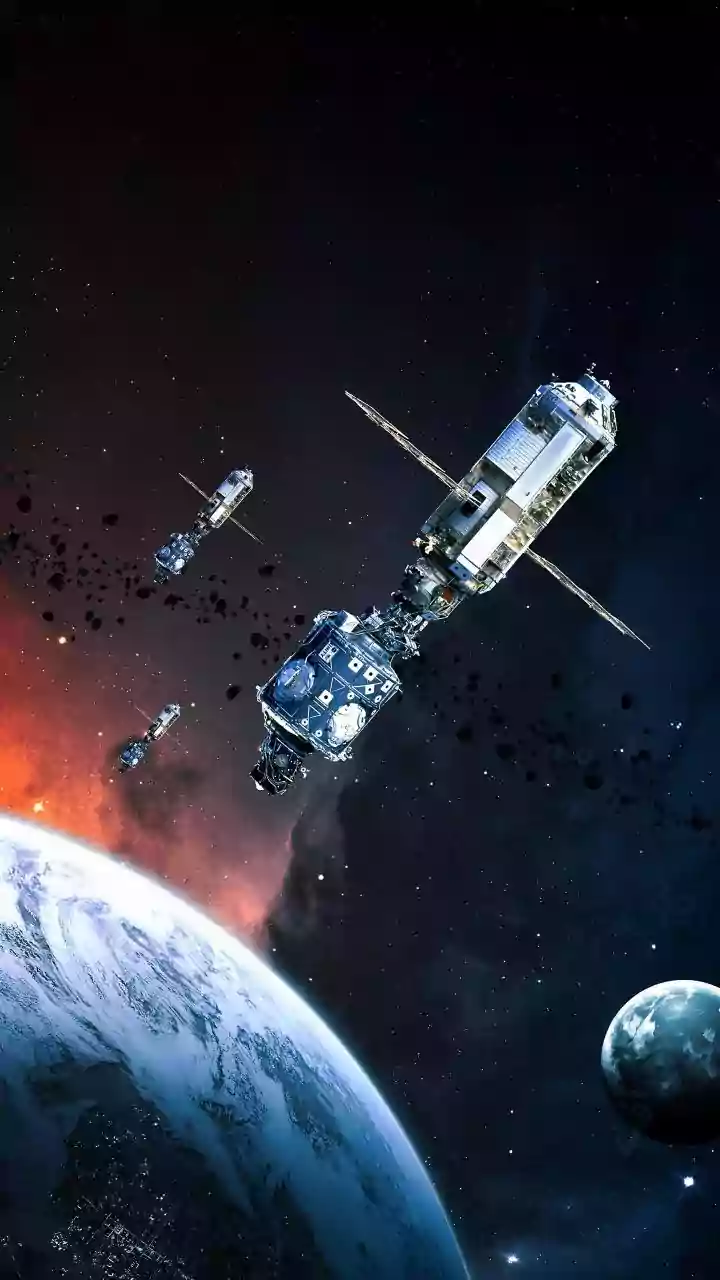
At its core, nuclear propulsion for spacecraft uses the immense energy from nuclear fission to generate thrust. There are two primary concepts being developed. The first is Nuclear Thermal Propulsion (NTP), where a nuclear reactor heats a propellant like
liquid hydrogen to extreme temperatures, turning it into a gas that is expelled through a nozzle to create powerful thrust. It is significantly more efficient than chemical rockets, offering at least double the efficiency. The second is Nuclear Electric Propulsion (NEP), which uses a reactor to generate electricity. This electricity then powers highly efficient thrusters, which ionize and accelerate a gas like xenon to produce a gentle but continuous thrust over a very long period.
Why Go Nuclear in Space?
The single biggest advantage of nuclear propulsion is its superior efficiency and energy density. Chemical rockets are limited by the energy stored in their fuel, meaning they must carry enormous propellant loads. This constrains mission capabilities. Nuclear systems, by contrast, offer a much higher 'specific impulse'—the measure of how effectively a rocket uses propellant. This means a nuclear-powered spacecraft can travel faster and farther on less fuel. For a crewed mission to Mars, this could slash the transit time from the current nine months down to just a few, significantly reducing astronauts' exposure to deep-space radiation and the physical toll of microgravity. It also allows for heavier payloads, meaning more scientific instruments and supplies can be brought along.
The Renewed NASA-DOE Partnership
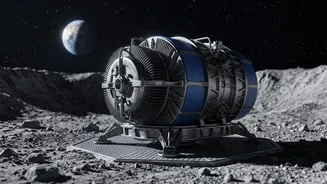
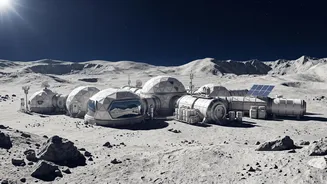
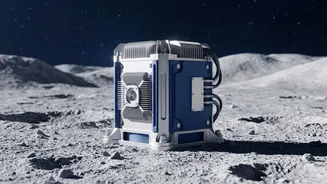
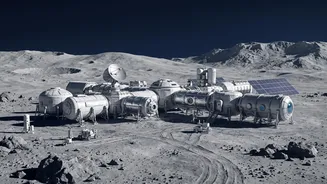
Recognizing this potential, NASA and the Department of Energy (DOE) signed a new Memorandum of Understanding in October 2026 to accelerate the development of space nuclear technologies. This formal collaboration, titled 'Accelerating American Leadership in Space Nuclear Power and Propulsion', streamlines efforts in research, fuel production, testing, and mission integration. One of the flagship projects under this initiative is the development of a lunar surface reactor, with a goal to have a launch-ready system by 2030 to power a future Moon base. This partnership combines NASA's expertise in spaceflight with the DOE's deep knowledge of nuclear systems.
A Look Back and a Leap Forward
The idea of using nuclear energy for rockets isn't new. From 1955 to 1972, the U.S. ran Project Rover and the NERVA (Nuclear Engine for Rocket Vehicle Application) program, which successfully designed, built, and tested nuclear rocket engines on the ground. The programs demonstrated that the technology was viable, but they were ultimately cancelled in 1973 due to shifting priorities and budget cuts. Today, with a renewed focus on sending humans to Mars and advancements in materials science and reactor technology, the effort has been revived. The current work builds on the foundational success of NERVA, aiming to finally take the technology from ground tests into space.
Addressing Safety Concerns
The prospect of launching a nuclear reactor into space understandably raises safety questions. However, the designs incorporate strict safety protocols. The reactor on a nuclear thermal rocket would remain turned off during launch and ascent. Only once the spacecraft has reached a safe, stable orbit, far from Earth, would the reactor be activated. This eliminates the risk of radioactive contamination in the event of a launch failure. These orbits are specifically chosen to be high enough that, even if the reactor were to fail, it would take centuries for the orbit to decay, by which time the radioactive materials would have decayed to safe levels. These modern designs also focus on using high-assay low-enriched uranium (HALEU) fuel, which is less of a security risk than the highly enriched uranium used in past programs.