


The Hidden Salt Problem in Our Tiffins
Many of us in India consume far more salt than recommended. The World Health Organization (WHO) suggests a daily salt intake of less than 5 grams, which is about one teaspoon. However, studies show that the average daily salt intake in India is much higher,
sometimes double the recommended amount. A significant portion of this excess sodium doesn't come from the salt shaker at home but from processed and packaged foods, including the sauces, pickles, and chutneys we love. These condiments, while delicious, can be packed with sodium, which is used to enhance flavour and prolong shelf life. Regularly consuming too much sodium is a major risk factor for high blood pressure, which in turn increases the risk of heart disease, stroke, and kidney problems.
Know Your Condiments' Sodium Score
Not all sauces are created equal when it comes to salt content. Understanding which ones are the biggest culprits can help you make smarter choices. For instance, just one tablespoon of a common mango pickle can contain 350-450 mg of sodium, which is a significant chunk of the 2000 mg daily sodium limit recommended by the WHO. Soy sauce, ketchup, and many commercial table sauces are also notoriously high in salt. Studies on packaged foods in India have found that the category of 'sauces and spreads' often has the highest average sodium content. Even some home-style chutneys can be high in salt, depending on how they are prepared. Reading labels on store-bought products is crucial, and when eating out or using pre-packaged sauces, assume the salt content is high.
Smart Packing for Portion Control
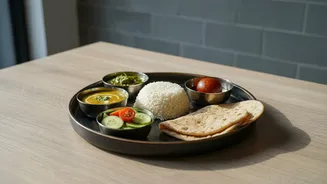
The key to enjoying your favourite sauces without overdoing the salt is portion control, and that starts with how you pack your lunch. Instead of pouring sauce directly onto your food in the morning, which can make it soggy and difficult to measure, pack it separately. Invest in small, leak-proof containers specifically for this purpose. A typical serving of a sauce or dressing is about one to two tablespoons (15-30 ml), so using a container that holds just that amount can prevent you from over-serving. These small containers, often made of stainless steel or food-grade plastic with screw-top lids, keep your main meal fresh and give you control over how much sauce you actually consume. This simple habit of separating the sauce makes you more mindful of the amount you're adding.
Flavourful, Low-Sodium Alternatives
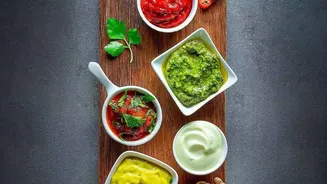
Reducing salt doesn't mean your food has to be bland. There are many ways to add a burst of flavour to your lunch without relying on high-sodium sauces. Fresh herbs like coriander and mint, a squeeze of lemon or lime juice, or a sprinkle of spices like chaat masala or black pepper can elevate a dish instantly. You can also get creative with homemade dips that put you in control of the salt. A simple dip made from thick yogurt (dahi), grated cucumber, and a pinch of cumin is both refreshing and healthy. A fresh tomato-onion salsa or a chutney made from mint and coriander with minimal salt are excellent replacements for their store-bought, salt-laden counterparts. These alternatives not only cut down on sodium but also add fresh nutrients to your meal.
Embrace DIY Chutneys and Dips
Making your own sauces and chutneys at home is the most effective way to manage your salt intake. You can create delicious, low-sodium versions of your favourites with a little effort. For a simple stir-fry sauce, you could try a low-sodium soy sauce substitute combined with ginger, garlic, and a touch of honey. A homemade tomato ketchup can be made with fresh tomatoes, vinegar, and spices, leaving out most of the salt and sugar found in commercial brands. Other ideas include a roasted red bell pepper sauce, a spicy peanut sauce using unsalted peanut butter, or a flavourful chimichurri made with fresh parsley and garlic. Making a batch over the weekend and storing it in the fridge can provide you with healthy, ready-to-pack flavour for the week ahead.