





Understanding the Risk of Bruising
One of the most common complaints from new weighted hoopers is bruising around the waist, hips, and abdomen. This happens because the repeated pressure from the hoop's weight can break tiny blood vessels near the surface of the skin. People who are just
starting out, use a hoop that is too heavy, or hoop for too long are most susceptible. The constant impact on soft tissues is the primary cause of these black-and-blue marks. While generally not serious, bruising is a clear sign that your body is being subjected to more pressure than it's used to. It’s a signal to ease up and allow your body time to adapt.
How to Choose the Right Hoop
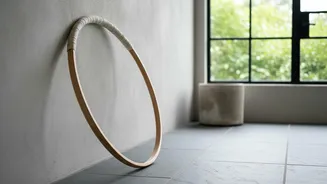
The belief that a heavier hoop yields better or faster results is a dangerous misconception. In reality, starting with a hoop that's too heavy can make it difficult to maintain proper form, leading to a higher risk of injury and discomfort. For beginners, a hoop weighing between 1 and 2 pounds is recommended. As your core strength and coordination improve, you can gradually consider moving to a heavier weight. The size of the hoop also matters. A good rule of thumb is to choose a hoop that reaches somewhere between your waist and mid-chest when stood on the ground. A larger diameter hoop actually spins more slowly, making it easier for beginners to control.
The Danger of Repetitive Strain
Beyond surface-level bruising, weighted hooping carries the risk of repetitive strain injuries. The exercise involves constant, repetitive motion of the hips and back. If done with poor form or for excessive durations, this can put significant strain on the muscles and spine. Overuse can lead to muscle soreness, sprains, and aggravated back pain, especially for individuals with pre-existing back or hip conditions. To avoid this, it’s crucial to listen to your body. Starting with short sessions of just a few minutes a day allows your muscles to build strength and endurance gradually.
Mastering Proper Form for a Safer Workout
Proper technique is your best defense against injury. Stand with one foot slightly in front of the other to create a stable base. When you move, think of shifting your weight forward and backward, rather than making large, circular hip motions. It's also vital to keep your core muscles engaged throughout the exercise; this helps stabilize your spine and protects your lower back. Wearing form-fitting clothing can also help, as loose garments can get tangled in the hoop and hooping on bare skin can increase friction and the likelihood of irritation or bruising. Finally, remember to hoop for equal amounts of time in both directions to ensure balanced muscle development.
Listen to Your Body and Know When to Rest
As with any form of exercise, rest and recovery are key. It can be tempting to hoop for long periods, especially when you start getting the hang of it, but doing too much too soon is a recipe for injury. Pay attention to your body’s signals. Mild muscle soreness after a new workout is normal, but sharp pain or significant bruising is not. If you notice painful bruising, take a few days off to let your body heal before starting again with shorter sessions. If you have a history of back problems, hip injuries, or other medical conditions, it is especially important to proceed with caution.