





A Sweet Taste of Home in Orbit
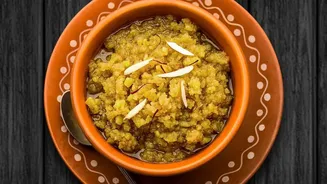
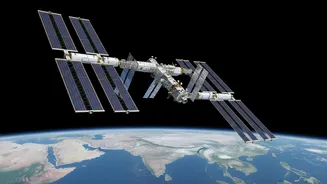
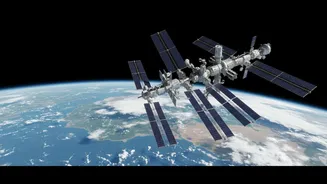
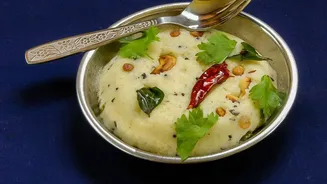
When Indian astronaut Shubhanshu Shukla travelled to the International Space Station (ISS), he carried a taste of home. After a rigorous qualification process, three beloved Indian sweets were certified for the flight: Gajar ka Halwa, Moong Dal ka Halwa, and
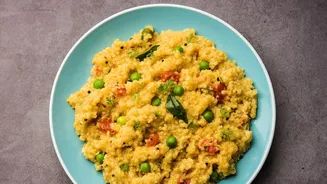
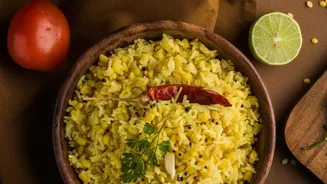
Aamras (mango pulp). These items were part of a larger menu of Indian favourites, including khichdi and pulao, developed by the Mysuru-based Defence Food Research Laboratory (DFRL). However, due to the incredibly strict standards and limited time for testing, only these three made the final cut for the mission.
The Science of Space-Ready Cuisine
Getting food approved for space is far more complex than just packing a meal. Every item must undergo extensive testing to ensure it can withstand the harsh conditions of space travel. The food needs to be shelf-stable for months without refrigeration, endure intense launch vibrations, and be safe to consume in a microgravity environment. One of the biggest challenges is preventing crumbs and floating particles, as they can interfere with sensitive spacecraft equipment. For this reason, foods are often in paste or semi-solid forms and packaged in special containers. DFRL uses advanced preservation techniques like freeze-drying and vacuum-packing to ensure the meals are safe, nutritious, and easy to digest.
Mysuru's Lab: The Heart of India's Space Menu
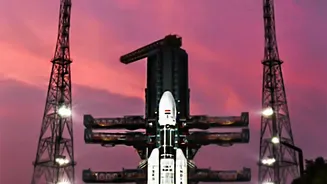
The Defence Food Research Laboratory (DFRL) in Mysuru, a lab under the Defence Research and Development Organisation (DRDO), is at the forefront of developing India's space menu. For decades, DFRL has been creating specialised foods for the armed forces. This expertise is now being channelled into preparing meals for astronauts on missions like Gaganyaan, India's first human spaceflight program. This isn't DFRL's first foray into space cuisine; the lab also supplied food for Rakesh Sharma during his historic 1984 mission, which included dishes like pulav and aloo chole. The lab has developed dozens of ready-to-eat items, from vegetable biryani to sooji halwa, all modified to have less spice and fat to suit the dietary needs of astronauts.
More Than Just a Meal
For astronauts on long-duration missions, far from home, familiar food provides more than just nutrition—it's a crucial psychological comfort. The taste and smell of a favourite dish can boost morale and provide a tangible connection to home and culture. Astronaut Shubhanshu Shukla mentioned that after nearly two weeks in orbit, he began craving the salty and spicy flavours of Indian food. While the three sweets were a welcome treat for the international crew, the experience highlighted the importance of having a diverse menu that caters to the astronauts' palates. This psychological aspect is a key consideration for agencies like ISRO and DFRL as they develop the full menu for future missions.
The Future of Indian Food in Space
The successful qualification of Gajar ka Halwa, Moong Dal ka Halwa, and Aamras is a significant milestone. It validates DFRL's processes and opens the door for more Indian dishes to be certified for spaceflight. As the Gaganyaan mission progresses, scientists are continuing to work on expanding the menu. Institutions like the ICMR-National Institute of Nutrition in Hyderabad are also contributing, developing items like khichdi and mutton rolls. The goal is to create a menu that is not only safe and nutritious but also varied and appealing, ensuring that when Indian astronauts travel to space, they carry with them the comforting and delicious flavours of home.