





The Power of the Rope: More Than Cardio
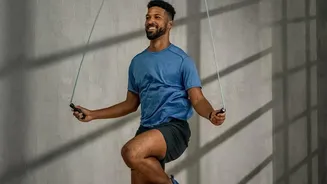
Often seen as a simple warm-up or a boxer's training tool, the jump rope is a powerhouse for developing key components of agility. It's a form of low-intensity plyometric training, which involves explosive movements that train your muscles to generate
force quickly. Each rotation and hop improves foot speed, coordination, and rhythm, forcing your brain and body to work in perfect sync. This constant, repetitive motion builds reactive strength in your lower legs and strengthens the calves, quads, and glutes. The result is not just improved cardiovascular endurance, but also quicker reflexes, better body control, and the fast-twitch muscle response essential for rapid directional changes in any sport.
The Stillness of the Stretch: Yoga’s Role
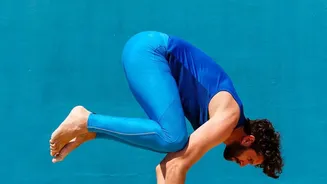
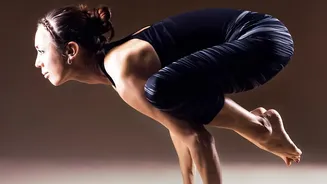
Where jump rope builds explosive power, yoga cultivates control and awareness. Athletic agility isn't just about speed; it's about efficient and safe movement, which requires a deep understanding of your body's position in space. This is known as proprioception. Yoga excels at enhancing this 'sixth sense' by challenging your balance in various poses and flows. This improved body awareness allows an athlete to make micro-adjustments to their posture and positioning instantly, leading to smoother, more precise movements and a reduced risk of injury. Furthermore, yoga lengthens tight muscles and increases mobility in the joints, correcting the muscular imbalances that can develop from repetitive sport-specific motions. This creates a greater, more controlled range of motion, allowing for more powerful and efficient athletic actions.
The Synergy: Why They Work Better Together
The true magic happens when these two disciplines are combined. Jump rope provides the raw, explosive energy, while yoga refines it into controlled, intentional movement. Think of it this way: the improved range of motion and flexibility from yoga allows you to perform the explosive jumps with better form and less strain. The heightened proprioception gained on the yoga mat translates directly to better footwork and landing mechanics while skipping. One study on basketball players found that combining yoga with their regular practice led to greater improvements in agility, flexibility, and speed compared to just basketball practice alone. The cardio endurance built from jumping rope allows you to sustain longer, more demanding yoga sessions. Together, they address both the hardware (muscles and joints) and the software (nervous system and coordination) of athletic movement, creating an athlete who is not just fast, but also fluid, stable, and resilient.
Building Your Agility-Focused Routine
Integrating these two practices doesn't have to be complicated. You can structure your workouts in several effective ways. One popular method is to use jump rope as a dynamic warm-up for 5-10 minutes before a yoga session, which elevates your heart rate and prepares your muscles for stretching. Alternatively, you can perform shorter, high-intensity jump rope intervals (like 60 seconds on, 30 seconds rest) between longer yoga pose holds or flows. This method keeps your heart rate up while simultaneously challenging your strength and balance. You could also dedicate separate days to each discipline, for example, focusing on high-intensity jump rope training two days a week and engaging in longer, restorative or Vinyasa-style yoga flows on two other days to balance your training and aid recovery.
The Mental Game: Focus and Flow
Peak agility is as much a mental skill as it is a physical one. Both jump rope and yoga train the mind in complementary ways. Jumping rope demands immense focus on rhythm, timing, and coordination, sharpening your concentration under physical stress. Yoga, with its emphasis on breath-movement synchronization, cultivates mindfulness and the ability to stay calm and present. This practice helps reduce performance anxiety and improves your ability to make clear, split-second decisions during competition. By training both the body's explosive capabilities and the mind's ability to control them, this combination prepares an athlete to enter a state of flow where peak performance feels effortless.