






A Nationwide Push for Local Flavour
The promotion is part of the 'One District, One Product' (ODOP) scheme, a nationwide initiative championed by the Indian government to encourage and support indigenous products and crafts. First launched by the Uttar Pradesh government in 2018, the program
identifies one unique product from each of the state's 75 districts and provides a framework for growth. The goal is to transform these local specialities into global brands by improving everything from production and packaging to marketing and financial access. The initiative covers a vast range of items, from handicrafts and textiles to agricultural goods and, of course, food products. By focusing on the unique strengths of each district, the scheme aims to foster balanced regional development, create local jobs, and preserve India's rich cultural heritage.
Why Prayagraj's Samosas?
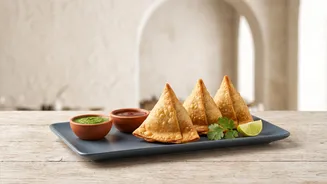
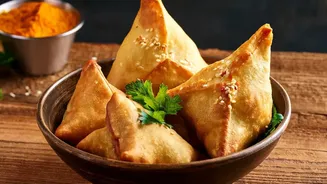
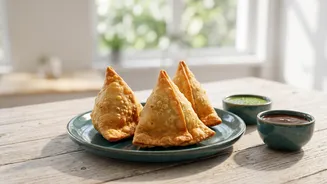
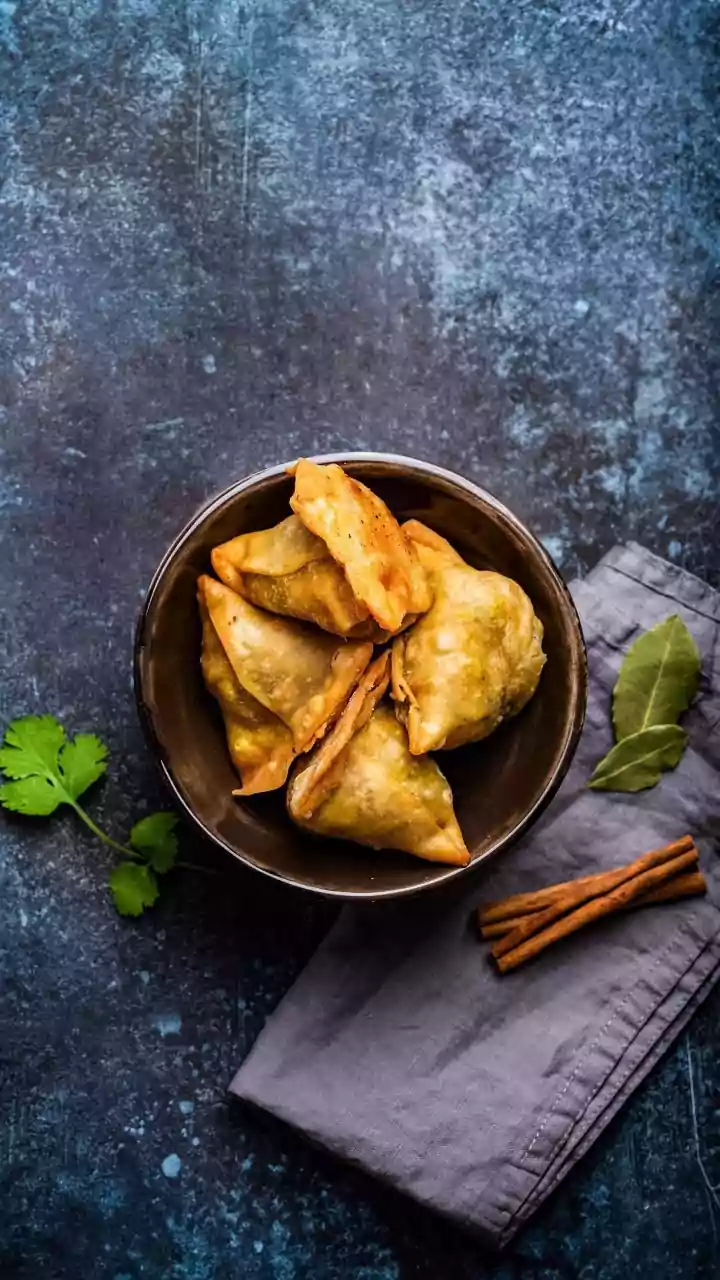
While Prayagraj is globally known for its spiritual significance, its culinary identity is just as profound, and the samosa is at its heart. The selection of the samosa was not a casual choice. It came after extensive consultations with culinary experts, historians, and local stakeholders who all agreed that the triangular snack is the true representative of the city’s everyday food culture. From the 136-year-old legacy of Hari Ram and Sons to countless other shops and street vendors, the samosa is woven into the city's fabric. It's a snack that crosses all social lines, enjoyed by students, traders, and families alike. This widespread presence, with an estimated 1,000 units including manufacturers, vendors, and restaurants, made it the perfect candidate for the program.
Lifting an Entire Industry
Crucially, the initiative is not about crowning one particular vendor's samosa as the best. Instead, the focus is on elevating the entire local samosa ecosystem. The 'One District, One Product' framework, sometimes referred to as 'One District, One Dish' in this context, aims to turn the local delicacy into a more structured micro-industry. The support rolled out includes financial assistance through the ODOP Margin Money Scheme, which offers credit-linked subsidies for entrepreneurs to set up new units or expand their existing businesses. This is coupled with training programs focused on skill development, improving hygiene standards, standardising quality, and adopting modern branding and packaging.
The Impact on Local Enterprise
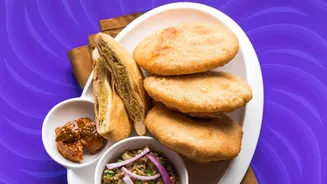
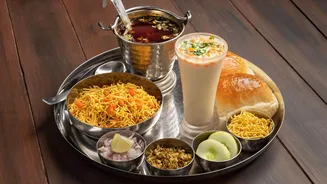
For the hundreds of families connected to the samosa trade in Prayagraj, this initiative is a game-changer. The scheme is expected to benefit an estimated 800 manufacturers, 400 street vendors, 300 restaurants, and numerous self-help groups involved in the production and sale of samosas and other local delicacies like rasgullas and puri-kachoris, which were also included after initial recommendations. By providing access to capital and training, the government hopes to empower small-scale producers and create over 1,500 jobs in the district. There is no minimum educational qualification required to apply, making the scheme accessible to a wide range of entrepreneurs who form the backbone of the city's street food economy. The goal is to help these local businesses scale up, improve their offerings, and reach wider markets, ultimately boosting their income and preserving their culinary traditions for generations to come.