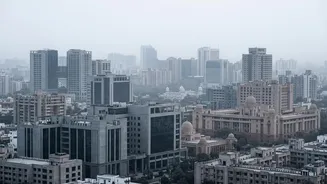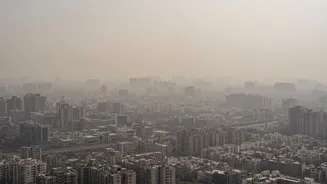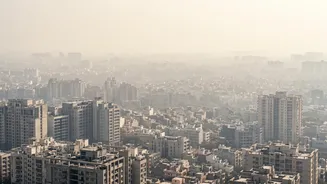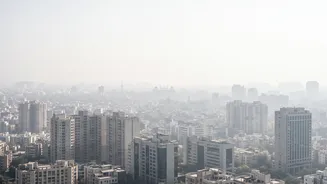







A Conditional Hope for Cleaner Air
A recent report by the UN Environment Programme (UNEP) and the Climate and Clean Air Coalition offers a clear, yet conditional, path forward. Titled 'Hidden Assets: The Economic and Health Case for Climate and Clean Air Action', the analysis states that
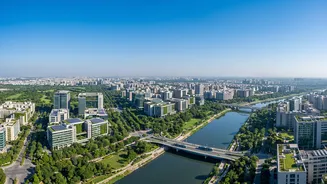
Delhi can reduce its PM2.5 exposure by 20% by the year 2040. This significant improvement, however, hinges on the city meeting its national air quality standards on schedule, starting from 2026. The report serves as both a roadmap and a warning, highlighting that the benefits are substantial but entirely dependent on timely and consistent implementation of anti-pollution measures.
The High Cost of Delay
The UN's assessment is blunt about the consequences of hesitation. It warns that a delay of about eight years in meeting air quality goals—a timeframe aligned with expected global averages due to institutional barriers—would slash the potential gains in half. Instead of a 20% reduction in PM2.5 exposure, Delhi would see only a 10% improvement by 2040. This delay translates directly into greater health impacts and higher economic burdens for its citizens. Globally, each year of delayed action on air pollution and climate change forgoes over $1.5 trillion in benefits, a cost that underscores the urgency of the situation.
Pinpointing the Pollution Sources
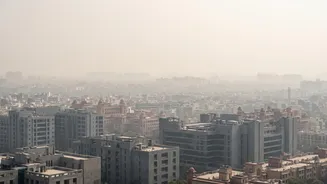
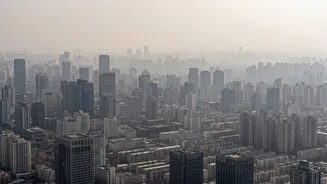
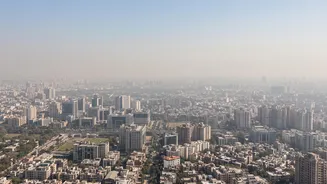
While public discourse often focuses on seasonal crop burning, UN-backed assessments and government reports paint a more complex, year-round picture of pollution sources in Delhi. Vehicular emissions are consistently identified as a primary culprit, contributing significantly to the toxic mix. Other major sources include industrial emissions from power plants and factories, road and construction dust, and the burning of biomass and waste for cooking and heating. In winter, these pollutants are trapped near the ground by meteorological conditions, turning the city into what some officials have described as a "gas chamber".
The Devastating Health and Economic Toll
The human cost of Delhi's air pollution is staggering. Studies cited in the context of global air quality crises have linked exposure to PM2.5 and ozone with millions of premature deaths worldwide from conditions like heart disease, stroke, lung cancer, and diabetes. Children and the elderly are disproportionately affected. Economically, the impact is a massive drain on resources. One study highlighted that Delhi has the highest per-capita economic loss due to air pollution in India. These losses stem from increased healthcare expenditure, lost productivity due to illness, and a reduced workforce, directly impeding economic growth.
A 25-Point Plan for a Healthier Future
The UNEP report does not just diagnose the problem; it provides a comprehensive cure. It identifies 25 feasible solutions that simultaneously address air pollution and climate change. Key recommendations include accelerating the transition to renewable energy for power, enforcing stricter vehicle emission standards and promoting electric vehicles, and expanding the use of clean cooking and heating solutions to reduce household emissions. The report also stresses the importance of better waste management, preventing agricultural burning, and improving industrial efficiency. For every dollar invested in these integrated measures, the report estimates a return of about fifteen dollars in economic and health benefits, framing clean air as a powerful economic asset.