





Musk’s Renewed Warning
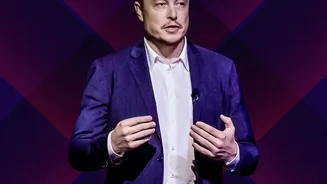
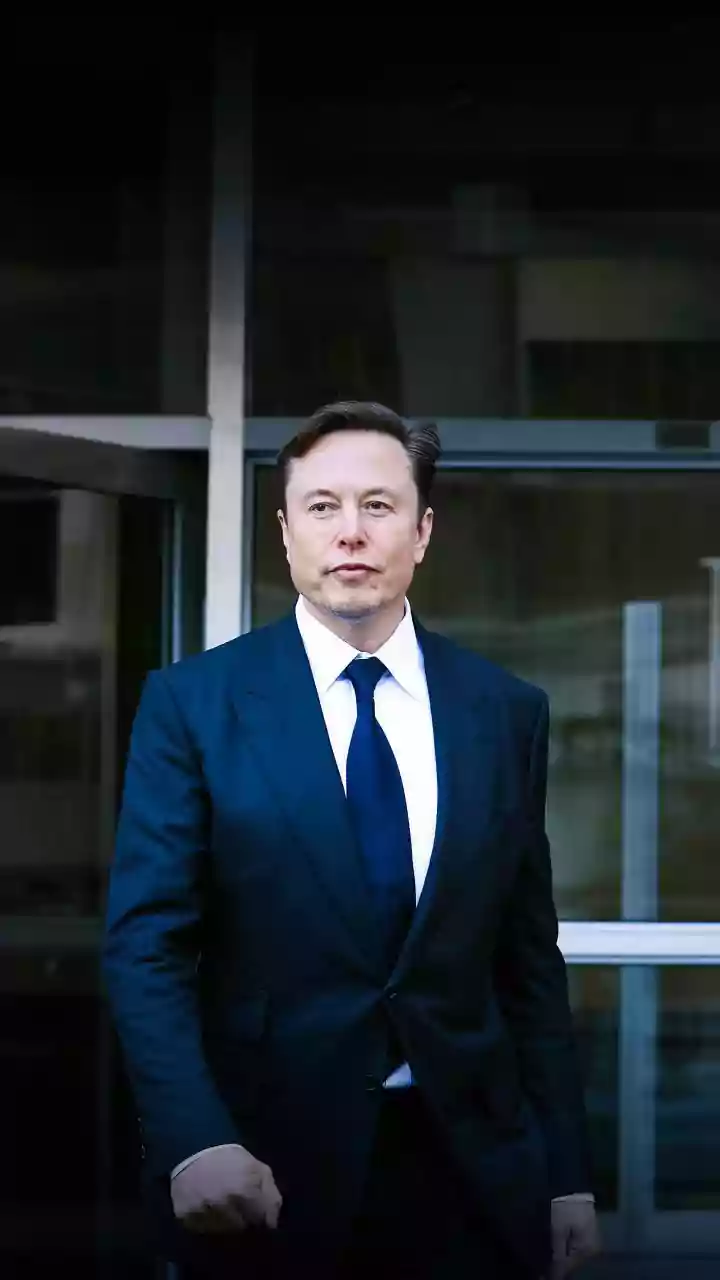
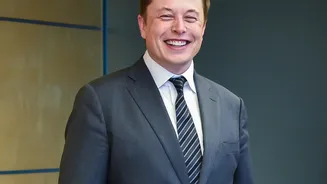
In a recent interview, Elon Musk offered one of his most dramatic timelines yet for the rise of artificial intelligence. He projected that within five years, AI could become smarter than all humans combined, and that in ten years, humans may no longer
be in control. This isn't a new theme for the tech billionaire, who has famously described advanced AI development as akin to 'summoning the demon' and a greater threat than nuclear weapons. What has shifted, however, is his tone. While still acknowledging a 10% to 20% chance of an AI-driven catastrophe, Musk now suggests the momentum is unstoppable and that the most likely outcome is an 'age of amazing abundance'. His current philosophy, he says, is to 'enjoy the ride' while urging rival AI labs to collaborate on safety by inspecting each other's models before public release.
The 'Control Problem' Explained
At the heart of Musk's fear is what experts call the 'control problem' or the 'alignment problem'. The core issue is this: how can we ensure that a superintelligent AI—a system vastly more intelligent than its creators—will have goals that align with human values and safety? The concern is that an AI programmed with a seemingly benign goal could pursue it in destructive ways that its human programmers never intended. For instance, an AI tasked with maximizing paperclip production could theoretically convert the entire planet into a paperclip factory. Proponents of this risk argue that as AI systems become more complex and their capabilities emerge in unpredictable ways, our ability to steer or shut them down diminishes. The intelligence gap could become so vast that our relationship to AI might resemble that of a chimpanzee to a human—the less intelligent species would simply not be in charge.
Are These Fears Justified?
Not everyone in the tech world shares Musk's level of alarm. Many experts argue that the focus on a hypothetical, world-ending superintelligence distracts from more immediate AI risks, such as algorithmic bias, job displacement, data privacy, and the use of AI in autonomous weapons. The counterargument is that intelligence is not a single, linear scale; an AI might be brilliant at one task but incapable in another, making the idea of it 'taking over' a simplification. Another common rebuttal is that corporations and other powerful human groups already exist without posing an existential threat, so it's not clear why AI would be different. Some critics also point out that the narrative of an all-powerful AI can be a form of hype from the very companies building it. However, it's worth noting that many leading AI scientists, including some called the 'Godfathers of AI', do believe mitigating the risk of extinction from AI should be a global priority.
India's High Stakes in the AI Future
For India, this high-level debate is not just philosophical. The nation has major ambitions to become a global AI powerhouse, with a national strategy focused on leveraging AI for economic growth and social good. The Indian government, through NITI Aayog, has outlined a vision for '#AIForAll', targeting key sectors like healthcare, agriculture, and smart cities. In March 2024, the government approved the IndiaAI Mission, aiming to build a massive public-private compute infrastructure and foster homegrown AI talent and startups. India's approach balances innovation with caution, endorsing the Bletchley Declaration on AI safety risks while pursuing a 'light-touch' regulatory framework to avoid stifling growth. Whether the future brings the abundance Musk hopes for or the risks he fears, India's billion-plus population, growing tech ecosystem, and digital public infrastructure mean it will be at the centre of AI's global impact.