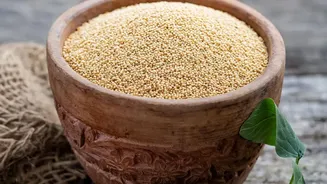








The Nutritional Power of a Tiny Seed
Amaranth has been cultivated for thousands of years and is considered a 'superfood' for good reason. It's a rare plant-based source of complete protein, meaning it contains all nine essential amino acids, including lysine, which is often lacking in other
grains. This is vital for everything from muscle repair to immune function. Beyond protein, amaranth is rich in minerals crucial for bone health. It is an excellent source of calcium, magnesium, and phosphorus, which are the primary building blocks of our skeletal structure. One cup of cooked amaranth provides a significant amount of these nutrients, along with iron for blood production and manganese, which plays a role in bone formation and brain function.
Supporting Bone Health Through Diet
Maintaining strong bones is a lifelong process that relies heavily on proper nutrition. Nutrients like calcium provide the density and structure of our bones, while protein creates the framework for minerals to build upon. Magnesium and phosphorus also work in tandem with calcium to form the strong mineral matrix of the skeleton. Incorporating foods rich in these specific nutrients is a practical way to support your body's skeletal integrity. Amaranth offers a convenient package of these bone-supporting nutrients in one ingredient. While no single food is a magic bullet, a balanced diet featuring ingredients like amaranth contributes to the overall pool of resources your body needs for maintaining bone health over time.
Breakfast Idea 1: Creamy Rajgira Porridge
One of the simplest ways to enjoy amaranth is in a warm porridge, or dalia. You can make it sweet or savory. For a sweet version, simmer one part amaranth with two to three parts milk or water until the grains are tender and the mixture is creamy, which takes about 20-25 minutes. Stir in a touch of jaggery or a few chopped dates for sweetness, a pinch of cardamom for flavour, and top with nuts and seeds for extra crunch and nutrition. For a savory take, cook the amaranth in water with a pinch of turmeric and salt. Temper with mustard seeds, cumin, and curry leaves for a South Indian-style breakfast.
Breakfast Idea 2: Savory Amaranth Upma
Give your traditional sooji upma a nutritional upgrade by using cooked amaranth. To prepare the amaranth, you can soak it overnight and then pressure cook it for 5-6 whistles until soft but not mushy. In a pan, heat some oil or ghee and splutter mustard seeds, cumin seeds, and asafoetida. Sauté chopped onions, ginger, green chillies, and your choice of vegetables like carrots and capsicum. Add spices like turmeric and a little red chilli powder, then fold in the cooked amaranth. Garnish with roasted peanuts, fresh coriander, and a squeeze of lemon juice for a hearty, gluten-free, and protein-rich start to your day.
Breakfast Idea 3: Quick Amaranth Patties (Tikkis)
These savory patties are perfect for a make-ahead breakfast. Combine cooked amaranth with mashed potatoes or crumbled paneer, finely chopped onions, coriander, and spices like chaat masala and garam masala. The amaranth gives the tikkis a wonderful, slightly poppy texture. Form the mixture into small patties and shallow-fry them on a non-stick pan until golden brown and crisp on both sides. These can be served with a side of yogurt or green chutney. They are a great way to use up leftover cooked amaranth and pack a protein punch to keep you full.
Breakfast Idea 4: Smoothie and Yogurt Booster
For the quickest breakfast of all, use puffed amaranth (readily available in most stores) as a topping. Sprinkle a generous handful over a bowl of yogurt or into your morning smoothie. It adds a delightful, nutty crunch and texture, similar to a breakfast cereal but with a much more impressive nutritional profile. The puffed seeds are light and airy, instantly adding fiber, protein, and minerals to your meal with zero cooking required. This method is perfect for busy mornings when you need a nutritious meal on the go.