
Chandni Chowk: A Mughal Legacy
In the heart of Old Delhi, Chandni Chowk is more than just a market; it's a living museum of culinary history. Built in the 17th century by Mughal Emperor Shah Jahan, its narrow lanes tell stories that span generations. The food here is a direct reflection
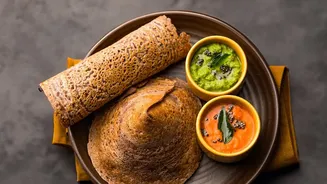
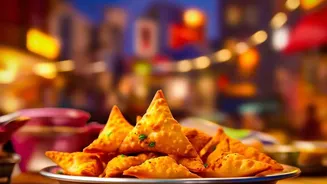
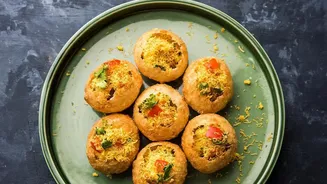
of its layered past, with recipes passed down through families who have manned the same stalls for centuries. This isn't a place for fleeting trends. The Parathe Wali Gali, for instance, serves stuffed, deep-fried flatbreads with a technique that has barely changed over time. The chaats, kebabs, and sweets found here are rooted in Mughal kitchens and the diverse communities that have called this place home. Eating in Chandni Chowk is to taste a piece of Delhi's imperial history, a flavour that no amount of social media buzz could ever replicate.
Sarafa Bazaar: The Market That Never Sleeps
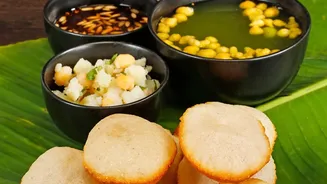
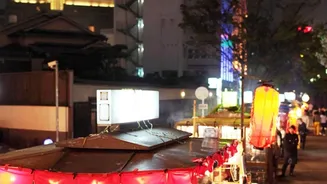
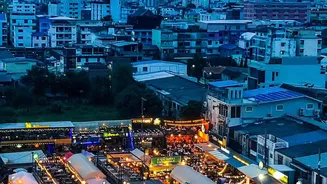
Indore’s Sarafa Bazaar offers a unique story of transformation. By day, it's a bustling market for jewellery and precious metals. But as the shutters of the jewellery shops come down around 8 p.m., the street is reborn as a vibrant, open-air food court that stays alive well past midnight. This nightly metamorphosis is said to have started over a century ago when jewellers encouraged food vendors to set up shop, believing the late-night crowds would provide security for their stores. This symbiotic relationship created a one-of-a-kind institution. Sarafa Bazaar is a testament to community and ingenuity, serving a diverse array of vegetarian delicacies that draw from Rajasthani, Gujarati, and Malwa culinary traditions. Stalls like Joshi Dahi Bada House, now run by the third generation, are famous not just for their food but for their theatrical serving style, adding to the unforgettable experience.
Juhu Chowpatty: A Social Melting Pot
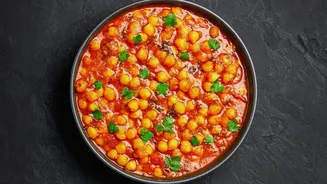
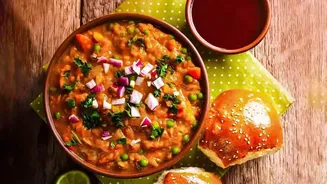
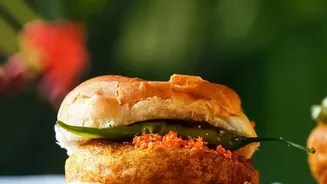
Stretching along the Arabian Sea, Mumbai’s Juhu Chowpatty is where the city's fast-paced energy meets the relaxed vibe of the coast. More than just a place to eat, it's a social hub where people from all walks of life gather. Its iconic dishes were born out of necessity and circumstance. Pav bhaji, a mash of spiced vegetables served with buttered bread, was created in the 1850s as a quick, hearty meal for the city's textile mill workers. Bhel puri, a crunchy mix of puffed rice, vegetables, and tangy tamarind sauce, emerged from the beach hawker culture as a light snack for evening crowds. These dishes are intrinsically linked to Mumbai's identity as a city of dreamers and workers. Enjoying a plate of bhel puri while watching the sunset at Chowpatty is a quintessential Mumbai experience, connecting you to the rhythm and soul of the city itself.
The Real Ingredients: Tradition and Community
What truly defines these legendary food streets is not just the taste but the context. They are economic engines for thousands and social spaces that foster a sense of belonging. The vendors are often artisans, perfecting a single dish over a lifetime and passing that knowledge down through generations. This dedication creates a level of authenticity that can't be manufactured. These streets are democratic spaces where a CEO and a student might stand side-by-side, united by their love for a well-made snack. The sizzle of the oil, the calls of the hawkers, and the shared joy of eating create an atmosphere that is as much a part of the appeal as the food itself. This combination of history, community, and tradition is the secret ingredient that ensures their enduring legacy, long after the hype has faded.