





What Exactly is Environmental AI?
At its core, Environmental AI refers to the use of artificial intelligence to monitor, model, and manage our planet’s resources. Think of it as a powerful digital brain capable of processing vast amounts of environmental data—from satellite images to sensor
readings—far faster than humans ever could. This technology can identify patterns and make predictions that are crucial for environmental protection. Applications include forecasting natural hazards like floods and heat waves, monitoring deforestation in real-time, optimizing energy grids to reduce waste, and tracking pollution sources in our air and water. By analysing complex datasets, AI provides the insights needed to make smarter, more effective decisions for safeguarding our environment.
Beyond the Blackboard: The Power of Hands-On Learning
Traditional education often focuses on theory, but a field as dynamic as AI requires a different approach. Project-based workshops are gaining traction because they bridge the gap between knowing and doing. This model shifts the focus from rote memorization to active problem-solving, allowing students to engage with real-world challenges. Instead of just reading about algorithms, students in these workshops build and test them. This hands-on method fosters critical thinking, collaboration, and creativity—essential skills for the modern workforce. By applying their knowledge to tangible projects, students don't just learn a subject; they develop the confidence and expertise to innovate.
Innovation in Action: Student Projects Making a Difference
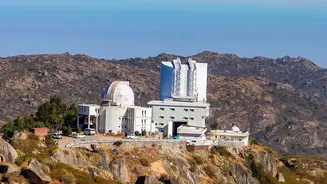
Across India, students are channelling their skills into remarkable environmental projects. For example, a three-day hands-on workshop at IIT Madras, scheduled for August 7-9, 2026, will guide students in applying AI to climate research and renewable energy systems using real datasets. Other initiatives see students developing AI models to tackle specific local problems. Some are creating systems to predict arsenic pollution in groundwater, a critical issue in several regions. Others are designing AI-powered smart irrigation systems to conserve water in agriculture, a sector that consumes a vast majority of India's freshwater resources. There are also projects focused on urban challenges, such as developing AI to optimize waste collection routes or monitor air quality in real-time, providing authorities with actionable data. These projects show how student innovation is directly addressing India's sustainability goals.
Building the Next Generation of Green Technologists
These workshops do more than just produce interesting projects; they cultivate a new generation of professionals equipped for the future. Participants gain a unique blend of technical and practical skills. They learn to code and manage data, but also how to work in interdisciplinary teams, collaborating with experts in fields like ecology and energy systems. National programs like 'YUVAi' further encourage students from classes 8 to 12 to develop AI-based solutions for themes including environment and clean energy. This approach is critical for building a skilled workforce that can drive India's green economy forward. The goal is to create not just coders, but problem-solvers who can align technological progress with the nation's ambitious sustainability targets, such as its Net Zero 2070 commitment.
Challenges on the Path to a Greener Future
While the potential is enormous, scaling up these initiatives comes with challenges. Access to high-quality data, significant computing power, and expert mentorship are often limiting factors. Ensuring these workshops are available to students across the country, not just in premier institutions, is a crucial next step. Furthermore, there's a need for stronger collaboration between academia, industry, and government to create pathways for promising student projects to evolve from prototypes into deployed solutions. Overcoming these hurdles will be key to unlocking the full potential of student-led AI innovation for environmental good.