



The National Water Account
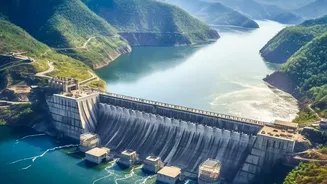
According to the latest data from the Central Water Commission (CWC), the live storage in India's 178 most important reservoirs stands at 132.734 billion cubic metres (BCM). This figure, representing 71.84% of their total capacity, is a critical indicator
of the nation's water security for the upcoming months. These reservoirs are the backbone of India's water supply, crucial for irrigating winter crops, generating hydropower, and providing drinking water to countless cities and villages. The level at the end of the monsoon is particularly important as this is when the reserves are at their peak before a long, dry spell begins.
Context is Key: A Troubling Comparison
On its own, 71.84% capacity sounds substantial. However, the concern arises when comparing it to previous years. The current storage is significantly below the 166.856 BCM recorded at the same time last year. More importantly, it is also lower than the 10-year average of 151.118 BCM, indicating a weaker water position than normal for this time of year. This deficit is largely attributed to a poor Southwest Monsoon in 2026, which ended with a rainfall deficit of 12.6% below normal, making it one of the weakest monsoons since 2001.
A Tale of Two Indias: Regional Disparities
The national average masks severe regional imbalances. The southern peninsula is the worst affected, with reservoirs holding only 49.2% of their live capacity, a dramatic drop from 87.8% a year ago. This is a direct result of the region experiencing a sharp rainfall deficit of 24%. Similarly, the northern region, covering Himachal Pradesh, Punjab, and Rajasthan, has storage levels at just 60.5% of capacity, compared to 91% last year. In contrast, the central and western regions are in a more comfortable position, with storage at 88% and 84% of capacity, respectively, although these are also slightly down from the previous year. The eastern region's storage is comparable to last year.
The Knock-On Effect for Farmers
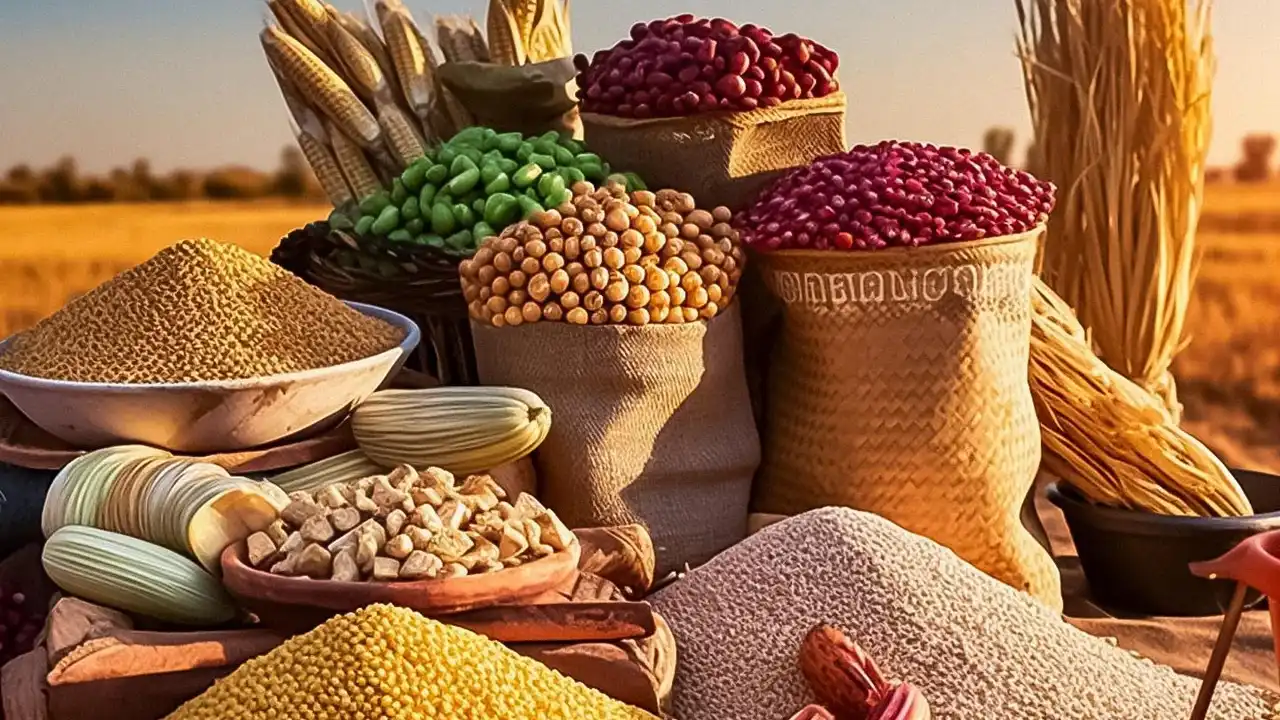
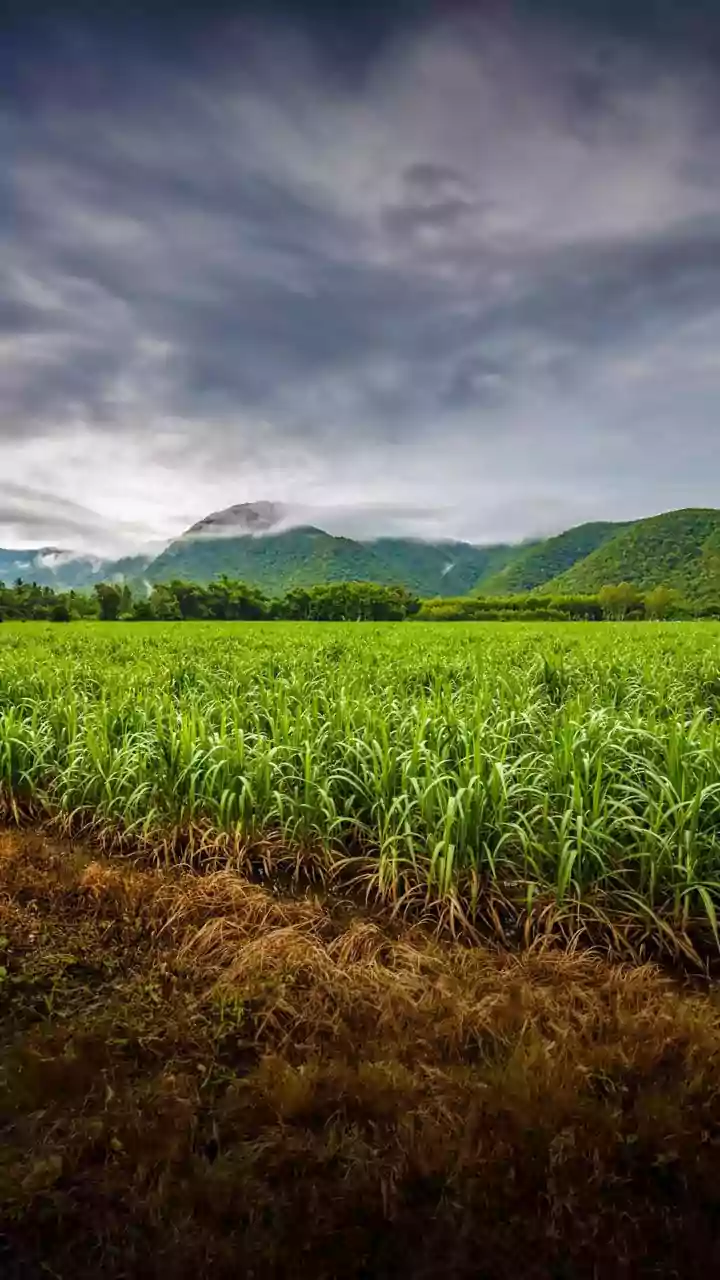
These lower water levels pose a direct threat to the upcoming Rabi (winter) cropping season. Farmers depend heavily on reservoir water to irrigate crops like wheat, gram, and mustard. With depleted soil moisture due to the poor monsoon, the reliance on irrigation is even higher. States crucial for Rabi production, such as Karnataka, Tamil Nadu, Andhra Pradesh, and Rajasthan, are facing particularly low reservoir levels, raising fears of lower acreage and weaker yields. The government has already lowered the foodgrain production target for 2026-27 and is advising farmers in water-stressed areas to shift from water-intensive crops to alternatives like pulses and oilseeds.
Looking Ahead: A Dry Outlook
The forecast offers little immediate relief. The India Meteorological Department (IMD) has indicated that post-monsoon rainfall from October to December could also be below normal. This is compounded by a strengthening El Niño phenomenon, which is associated with warmer, drier conditions and could further strain water resources and impact crop cycles. The situation highlights the increasing vulnerability to erratic weather patterns and underscores the urgent need for efficient water management and conservation strategies across all sectors to navigate the challenging months ahead.