



Unpacking Carbon Inequality
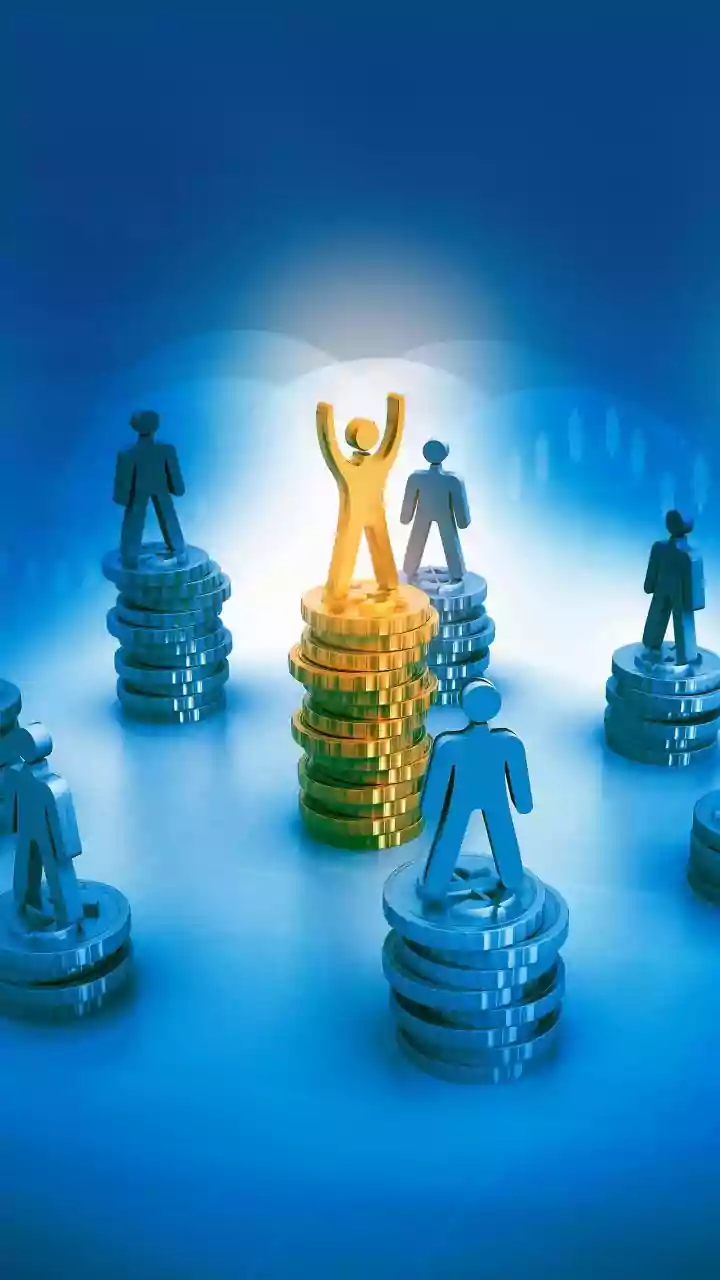
A groundbreaking report from Oxfam, titled 'Climate Equality: A Planet for the 99%', lays bare the stark reality of 'carbon inequality'. According to its findings, the world's richest 1% are responsible for the same amount of carbon emissions as the poorest
two-thirds of humanity, which accounts for roughly five billion people. The report highlights that the consumption habits and, more critically, the investments of this elite group are a primary driver of climate change. Their carbon footprint is projected to be 22 times greater than the level required to meet the Paris Agreement's goal of limiting global warming to 1.5 degrees Celsius. This isn't just a gap; it's a chasm that separates the climate impact of the ultra-wealthy from that of the average global citizen.
More Than Just Private Jets
When we think of billionaire emissions, images of private jets, superyachts, and sprawling mansions often come to mind. While these luxury lifestyles do contribute significantly to their carbon footprint, they are only part of the story. The Oxfam report emphasizes that the most significant damage comes from their investments. Just 125 of the world's richest billionaires, through their investments in polluting corporations, generate an average of 3 million tonnes of carbon dioxide equivalent (CO2e) per person annually. This is over a million times higher than the average person in the bottom 90%. These investments in fossil fuels and other carbon-intensive industries mean that their capital is actively funding the climate crisis, often with little public scrutiny or accountability. Their financial decisions have a far greater and more lasting impact on the planet than their personal consumption choices alone.
A Global Issue with Local Impact
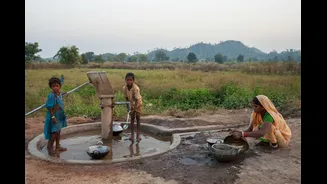
While the report analyses global data, its implications are deeply resonant for India. As a nation with a rapidly growing economy, a rising number of billionaires, and extreme vulnerability to climate change, India sits at the crossroads of this issue. The crisis of carbon inequality means that the benefits of economic growth are concentrated at the top, while the environmental consequences—such as extreme heatwaves, unpredictable monsoons, and rising sea levels—are disproportionately borne by the poorest communities. These are the very people who have contributed the least to the problem. The report shows that tackling the climate crisis cannot be separated from addressing economic inequality. The continued accumulation of extreme wealth, particularly when invested in polluting sectors, directly undermines global and national efforts to build a sustainable future.
Pathways to a Fairer Future
Beyond sounding the alarm, the Oxfam report also proposes solutions. It calls for systemic change, urging governments to implement progressive taxes aimed at the wealthiest individuals and corporations. The report suggests introducing a wealth tax on multi-millionaires and billionaires, alongside a windfall tax on the fossil fuel industry's massive profits. The revenue generated from these taxes could be a critical source of funding for the transition to renewable energy and for helping vulnerable nations adapt to the climate impacts that are already unavoidable. The argument is simple: those who have benefited most from the carbon-fuelled economy, and who are most responsible for the resulting pollution, should bear a greater share of the cost of fixing the problem. This shift would represent a move towards 'climate equality', where the burden of climate action is distributed more fairly.