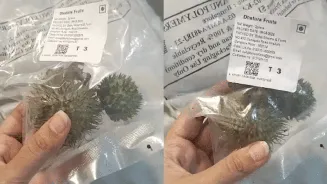









A Swift Regulatory Crackdown
The Karnataka Food Safety and Drugs Administration Department issued a stern order to Amazon, Swiggy Instamart, and BigBasket, suspending their food licences until further notice. The directive followed inspections where officials discovered that Datura
fruits and seeds were being stored in warehouses and sold online, sometimes even carrying Food Safety and Standards Authority of India (FSSAI) registration numbers. The platforms were ordered to immediately remove all listings and advertisements offering the plant for human consumption, with the commissioner stating that its sale as a food product poses a serious public health risk.
What is Datura?
Known commonly as thorn apple, devil's trumpet, or simply Dhatura, Datura is a genus of plants in the nightshade family, Solanaceae—the same family as tomatoes and potatoes. Its name comes from the Sanskrit word 'dhattura'. The plant is easily recognised by its large, trumpet-shaped flowers and spiky, round fruit capsules filled with black seeds. While it grows wild across India and has a significant place in culture and traditional medicine, every single part of the plant is poisonous.
Cultural Roots vs. Dangerous Trend
Datura has deep cultural and religious significance in India. Its flowers are famously offered to Lord Shiva, earning it the name 'Shivapriya'. It is also used in Ayurvedic and other traditional medicine systems, but only after specific, complex purification processes and under the strict supervision of experts for ailments like asthma or as an analgesic. However, the recent regulatory action was triggered by a dangerous modern trend: the promotion and sale of the raw plant online for direct consumption. Experts warn that this is a deadly mistake, as there is a vast difference between its controlled medicinal use and treating it as a food item. An expert from the Karnataka State Medicinal Plants Authority clarified that Datura is never sold as a fruit and should not be consumed as one.
The Science of Its Toxicity
The danger of Datura lies in its potent cocktail of tropane alkaloids, primarily atropine, scopolamine, and hyoscyamine. These chemicals are powerful anticholinergics, meaning they disrupt the normal functioning of the nervous system. Ingesting any part of the plant can lead to a severe and frightening set of symptoms within 30 to 60 minutes. These include intense thirst, dry mouth, blurred vision, rapid heartbeat, high fever, and difficulty speaking or swallowing. The effects on the brain are even more alarming, causing confusion, delirium, terrifying hallucinations, and amnesia. In high doses, which are unpredictable and vary from plant to plant, Datura poisoning can lead to seizures, coma, respiratory failure, and death.
Misinformation and Public Health
The incident highlights a growing concern for regulators: the rapid spread of health misinformation online. The idea that a traditionally recognised but toxic plant could be rebranded as an edible product and sold on mainstream platforms shows how easily dangerous trends can take root. The Karnataka government's action underscores the responsibility of e-commerce and quick-commerce companies to vet the products sold under their licences. The FSSAI has also recently been cracking down on misleading claims, warning influencers and celebrities about promoting products with unverified health benefits, signalling a broader push for accountability in the digital food marketplace.