




From Earth to Table: Understanding Beetroot's Signature Flavour
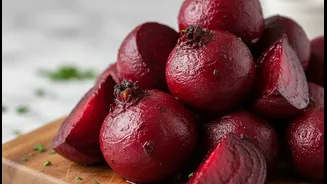
Let's be honest, not everyone is a fan of beetroot, and it usually comes down to one thing: that distinct, soil-like taste. This isn't just your imagination. The flavour comes from a naturally occurring organic compound called geosmin, the same substance
responsible for the scent of fresh rain on dry earth. Our noses are incredibly sensitive to geosmin, which is why its presence in beets can be so pronounced. For some, it’s a pleasant, earthy note; for others, it’s a deal-breaker that overpowers the entire dish. While methods like boiling can help slightly, they often result in a watery, less flavourful vegetable. To truly conquer the earthiness and elevate the beet, we need to turn up the dry heat.
The Sweet Science of Caramelization
The first magical thing that happens when you roast beetroots is caramelization. Beets have a high natural sugar content, and when exposed to the dry, high heat of an oven, these sugars begin to break down and transform. This process isn't just about sweetness; it's about complexity. The sugars oxidize and develop deeper, nuttier, and more intricate flavours. The dry heat pulls moisture out of the vegetable, concentrating its natural sugars and flavours in a way that boiling or steaming simply cannot. The result is a beet that tastes intensely sweet and rich, almost like a healthy candy. This newfound sweetness provides a powerful and delicious counterbalance to the vegetable's inherent earthiness.
Taming the Earthiness with the Maillard Reaction
Alongside caramelization, another complex chemical process is at play: the Maillard reaction. This is the same reaction that gives seared steak, toasted bread, and roasted coffee their delicious brown crust and complex aromas. It occurs when amino acids and sugars react under heat, creating hundreds of new flavour compounds. In beetroots, this reaction contributes to the beautiful browning on the exterior and introduces a range of savoury, nutty, and roasted notes. These new, potent flavours don't eliminate the geosmin, but they effectively mask it, pushing the earthy taste into the background and allowing the sweet and savoury notes to take centre stage. The combination of concentrated sweetness from caramelization and the complex savoury notes from the Maillard reaction is what makes a roasted beet so profoundly different—and so much more appealing to a wider palate.
Your Step-by-Step Guide to Perfect Roasted Beetroot
Ready to unlock this transformation yourself? It’s incredibly simple. Start by preheating your oven to 400°F (200°C). Wash your beets thoroughly, but there's no need to peel them yet; the skin helps trap moisture and will slip off easily after roasting. Trim the leafy tops, leaving about an inch of the stem to prevent the colour from bleeding. Toss the whole beets with a light coating of olive oil, salt, and pepper. You can either wrap each beet loosely in foil or place them all in a covered baking dish. The key is to trap steam initially to ensure they cook through. Roast for 45 to 60 minutes, or until a knife can be inserted easily into the centre. The exact time will depend on the size of your beets.
From the Oven to the Plate
Once the beets are tender, remove them from the oven and let them cool just enough to handle. While they are still warm, the skins should slide right off with your fingers or a paper towel—a much easier and less messy process than peeling them raw. Now, your roasted beets are ready. You can slice, cube, or wedge them. Enjoy them warm as a side dish, or let them cool completely to add to salads. They pair wonderfully with sharp and salty flavours like goat cheese or feta, toasted nuts, and tangy vinaigrettes, all of which complement their deep, concentrated sweetness.