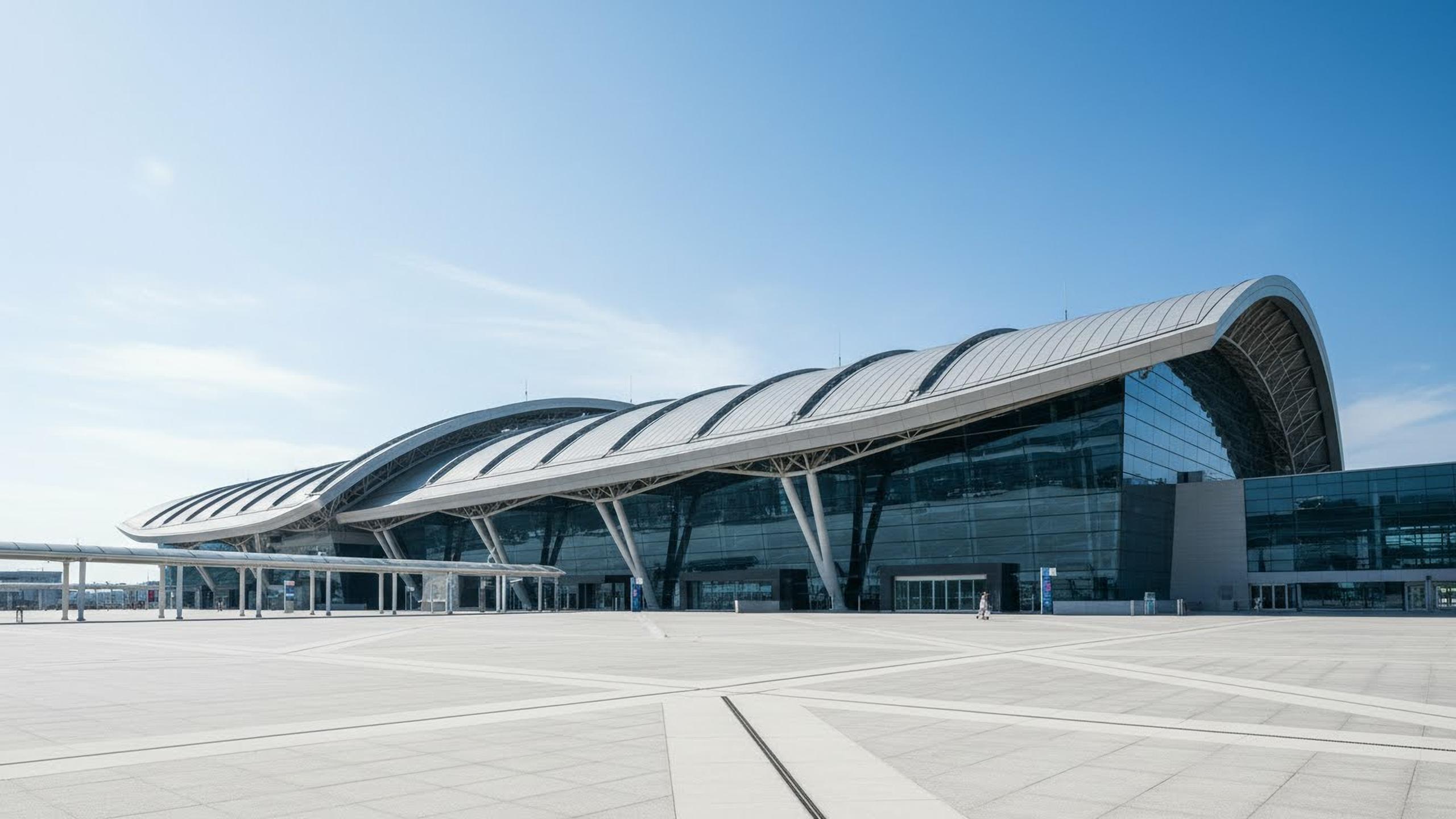









The New Leader by the Numbers
According to preliminary figures from Airports Council International (ACI), Incheon handled 38.39 million international passengers in the first six months of 2026. This narrowly pushed London's Heathrow, which saw 37.79 million, into second place. Singapore's
Changi Airport followed in third with 34.53 million. It marks a historic moment for Incheon, which only opened in 2001 and has been steadily climbing the ranks, moving from third place in 2025 to the top spot this year. Meanwhile, Dubai International, a consistent rival for the top position, is expected to fall out of the top five entirely.
Incheon's Strategy for Growth
Incheon's ascent is no accident. It is the result of deliberate, long-term strategy and significant investment. A massive four-phase expansion project completed in late 2024 boosted the airport's annual capacity to an enormous 106 million passengers. This makes it one of the largest airports in the world by capacity. The airport has also aggressively expanded its network, with 101 airlines now connecting Incheon to 183 cities worldwide. This extensive network makes it a highly attractive transit hub, outcompeting regional rivals like Tokyo's Narita. This focus on connectivity has been crucial, with the airport actively marketing itself to expand transit demand.
Geopolitical Tailwinds and Tourism
External factors have also played a significant role in redrawing the aviation map. Geopolitical tensions and conflict in the Middle East have disrupted major hubs like Dubai, causing a sharp drop in passenger traffic through the region. This has diverted a substantial number of travelers, particularly on Europe-Asia routes, to seek alternative connection points. Incheon has been a primary beneficiary of this shift. Transfer passenger numbers at Incheon jumped 18% in the first half of 2026, with traffic for European connections soaring by over 63%. Furthermore, a surge in inbound tourism, especially from nearby China and Japan, has provided another powerful boost, with foreign nationals accounting for a record 44.4% of all passengers in the second quarter.
Headwinds for Heathrow
While Incheon has been capitalizing on new opportunities, Heathrow has faced a more challenging environment. The same geopolitical instability in the Middle East that benefited Incheon has had the opposite effect on Heathrow, which has seen a notable softening in demand. The airport revised its 2026 forecast downwards, anticipating a potential 1.1% decline in total passengers compared to its record-breaking 2025. While the airport saw a slight increase in transfer passengers as some traffic was displaced from other hubs, the overall outlook remains cautious. The situation highlights how interconnected global aviation is, where a crisis in one region can create both winners and losers thousands of miles away.
A Symbol of a Broader Shift
Incheon's rise to the top is more than a single airport's success story; it’s a clear indicator of a larger economic and logistical pivot towards Asia. For years, the center of gravity in global aviation has been slowly moving eastward, with hubs in the Middle East and Asia investing heavily in state-of-the-art infrastructure and expansive route networks. This event solidifies that trend. The combination of strategic government support, massive capacity expansion, and the ability to adapt to changing global travel patterns has created a new leader in the skies. For travelers, this means more competition, potentially new route options, and a clear signal that Asia's influence on how the world travels is only set to grow.