






What Exactly Is Satellite Broadband?
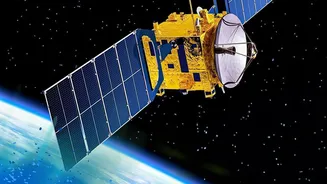
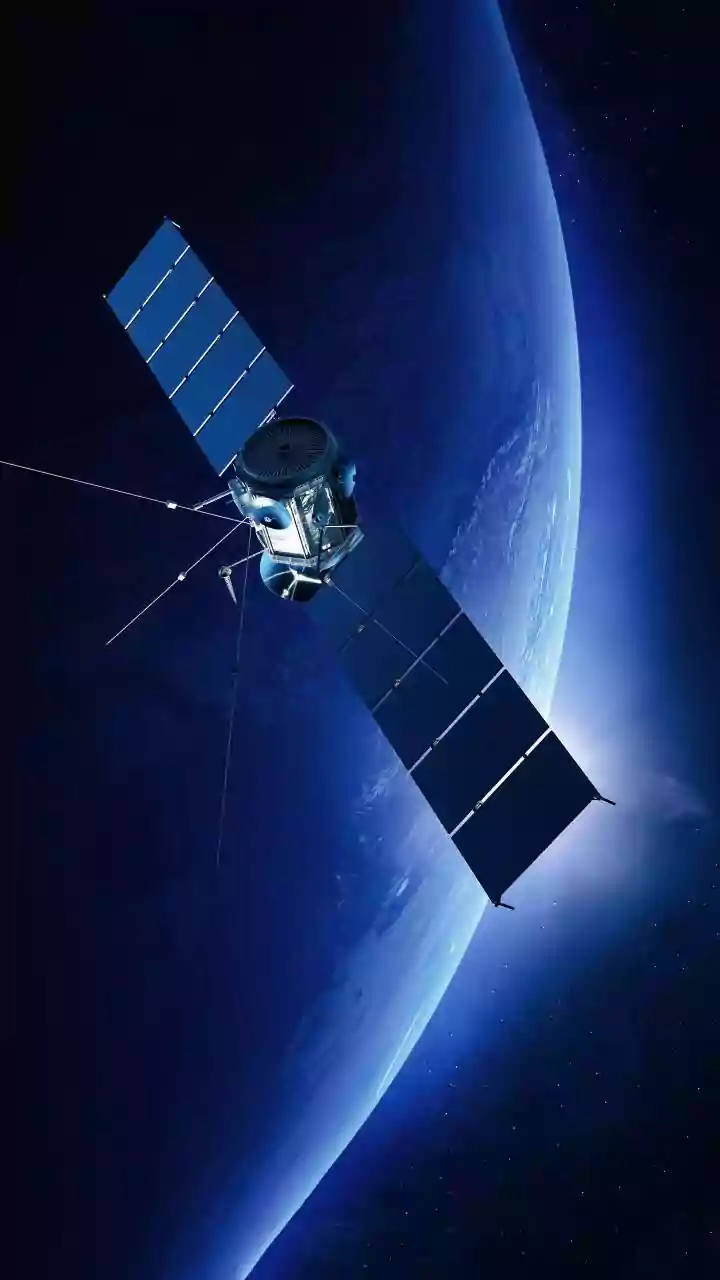
Think of satellite broadband as Wi-Fi from the sky. Traditionally, internet from space was slow and laggy, relying on single, large satellites orbiting far from Earth. The new generation, led by companies like Starlink, uses thousands of small satellites in low-Earth
orbit (LEO). Being much closer to the ground—typically between 550 to 1,200 kilometres up—these satellite 'constellations' drastically reduce delays (latency) and boost speeds. To connect, a user needs a small satellite dish, often called a user terminal, which communicates with the satellites passing overhead. This technology bypasses the need for physical cables, making it a potential game-changer for areas where laying fibre optic lines is difficult or impossible.
The Main Contenders in the Indian Market
The battle for India's satellite internet market has three main global players and a powerful domestic challenger. Elon Musk’s Starlink is perhaps the most well-known, having already launched thousands of satellites globally. Then there is Amazon’s Project Kuiper, another ambitious LEO constellation project from a global tech giant. The third is Eutelsat OneWeb, which is notably backed by India's own Bharti Global (the parent of Airtel) and has already completed its global constellation. Not to be outdone, Reliance Jio is also entering the fray with a massive plan to launch its own constellation of around 1,600 satellites under the name JioSpaceFiber, in partnership with satellite operator SES. All these companies have received or are in the final stages of receiving necessary licenses to operate in India.
The Biggest Impact: Connecting the Unconnected
The single greatest promise of satellite broadband is its ability to bridge India’s stubborn digital divide. While cities and towns enjoy fast 5G and fibre connections, vast rural and remote areas remain underserved. Laying fibre optic cables across difficult terrains like mountains, forests, or isolated villages is economically unviable. Satellite internet neatly sidesteps this problem. For millions of people, it could mean access to reliable internet for the first time, transforming education, healthcare, and economic opportunities. This aligns perfectly with the government's Digital India mission. Furthermore, it provides a crucial communication backup during natural disasters when terrestrial networks often fail.
How It Compares to Fiber and 5G
Satellite broadband is not here to replace your city-based fibre or 5G connection. In urban areas, fibre will almost always be faster, more reliable, and cheaper. Satellite services are more susceptible to disruptions from bad weather, a phenomenon known as 'rain fade'. The primary advantage of satellite is its reach, not its raw performance in a head-to-head comparison with established urban infrastructure. However, for someone in a remote village with no other option, even the baseline speeds offered by satellite services—expected to be between 25 to 220 Mbps—are revolutionary. It's a complementary technology, not a direct competitor to existing high-speed urban networks.
Hurdles to Overcome Before Launch
While the technology is ready, companies face a few hurdles. The most significant has been regulatory clearance. In September 2026, India's Digital Communication Commission (DCC) cleared a major hurdle by approving key recommendations for spectrum allocation, a crucial step before commercial services can roll out. However, final cabinet approval and security clearances are still pending for some players. The other major barrier is cost. The upfront price for the user terminal—the satellite dish and router—can be steep, with some estimates putting it over ₹30,000. While monthly subscription costs are expected to be competitive, the initial hardware investment could be a significant obstacle for many potential users in rural India.
When Can You Actually Get It?
This is the question on everyone's mind. With the recent government approvals on spectrum rules, the path is clearer than ever. Eutelsat OneWeb, having completed its constellation, is awaiting final security clearance to begin commercial services. Starlink and Amazon's Kuiper have also received preliminary approvals and are in active discussions with the government. Jio has ambitious plans, but its service is projected to begin testing around 2027, with a full rollout taking several years. While no firm date is set, the consensus is that the first commercial satellite broadband services could become available in parts of India very soon, potentially starting with enterprise and community-focused plans before expanding to individual households.