




A World of Ice in Retreat
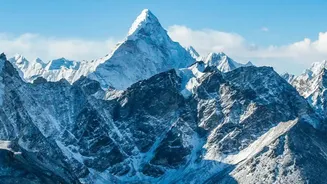
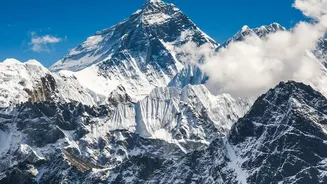
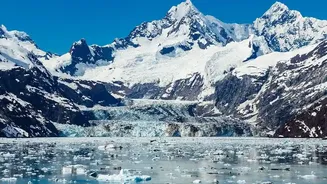
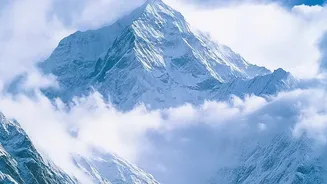
The Hindu Kush Himalaya region holds the largest volume of ice outside the polar regions, feeding river systems that nearly two billion people depend on. But this frozen world is thawing at an alarming rate. According to a landmark 2026 report from the International
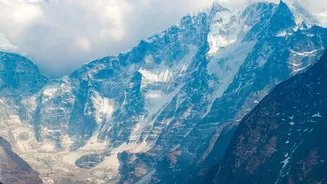
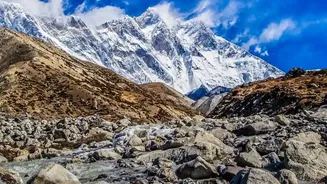
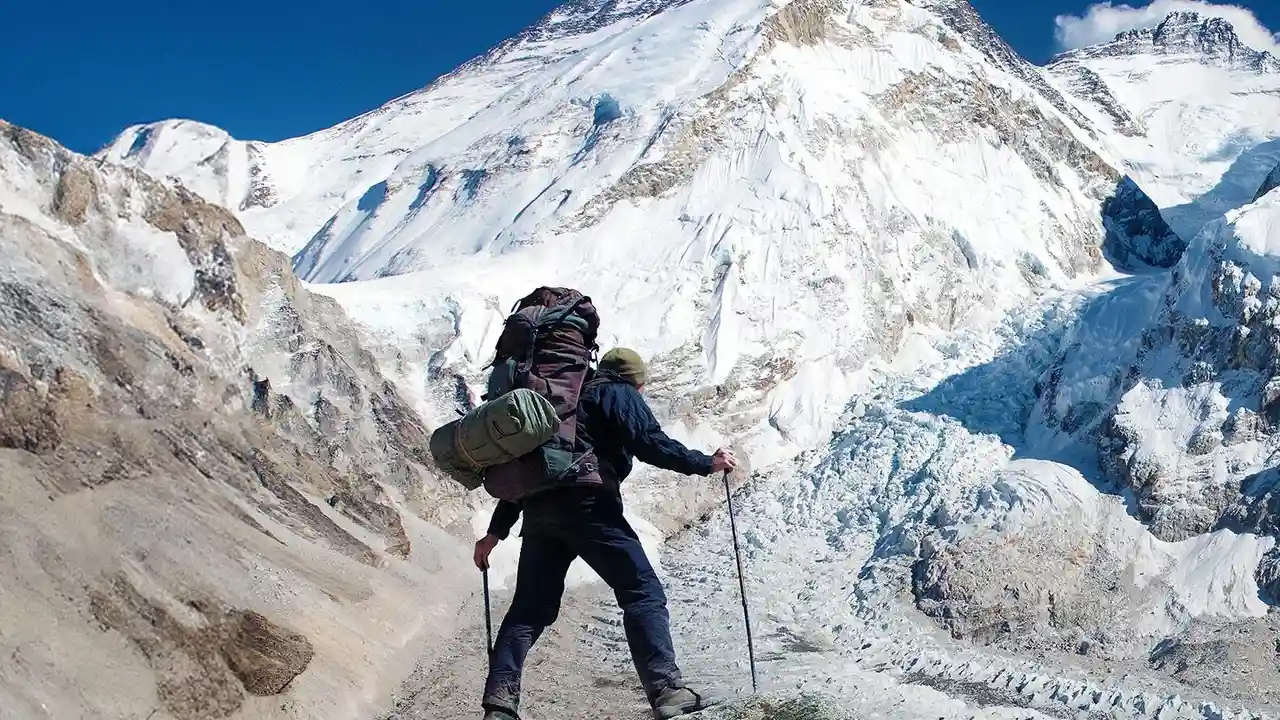
Centre for Integrated Mountain Development (ICIMOD), the rate of glacier melt in the region has doubled since the year 2000. Himalayan glaciers have been melting 65 percent faster since 2010 than in the previous decade. This rapid retreat is a direct consequence of rising global temperatures, which are increasing even faster at higher elevations. As the ice vanishes, the entire mountain landscape becomes more unstable, setting the stage for disaster.
The Threat of GLOFs
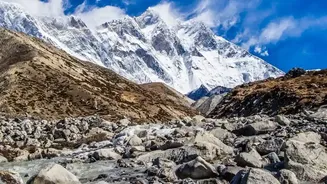
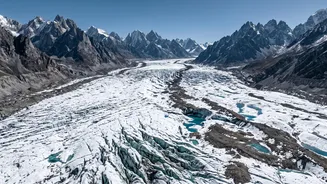
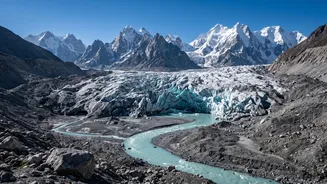
One of the most significant dangers is the formation of massive glacial lakes. As glaciers recede, they often leave behind depressions that fill with meltwater. These lakes are frequently dammed by unstable walls of moraine—loose rock and debris left by the glacier. When these natural dams fail, they can release enormous volumes of water in what is known as a Glacial Lake Outburst Flood (GLOF). A GLOF is not just water; it's a terrifying, fast-moving slurry of water, mud, ice, and boulders that can travel dozens of kilometres downstream, destroying everything in its path. A recent study identified 47 glacial lakes in the region posing a high risk to communities in Nepal, China, and India.
More Than Just Floods
The risks are not limited to GLOFs. As global warming thaws the permafrost—the frozen ground that acts like glue holding mountain slopes together—the land itself becomes less stable. This increases the frequency of rockfalls and landslides, which can happen with little to no warning. In some catastrophic cases, entire sections of a mountain, including the glacier on top, can collapse. This is what happened in a devastating event in August 2026, when a huge mass of bedrock and glacier ice broke away from a peak on the Nepal-Tibet border. The collapse generated a flood wave that surged down the valley with immense force, highlighting a complex and cascading type of disaster that is becoming more common.
The Human Cost and Infrastructure at Risk
For the people living in Nepal's mountain valleys, these hazards represent an existential threat. The August 2026 disaster buried entire villages, swept away bridges, and crippled vital infrastructure. Hydropower plants, a cornerstone of Nepal's economy and energy strategy, are particularly vulnerable as they are built along the very river valleys most at risk. The human toll of these events is immense, with communities losing homes, farms, and family members in minutes. The increasing unpredictability of these events leaves downstream communities with very little time to react, turning once-safe valleys into high-risk zones.
A Search for Solutions
Addressing this growing crisis requires a multi-pronged approach. Scientists and organisations like ICIMOD are working to expand monitoring of high-risk glaciers and lakes, but significant gaps remain. Early warning systems, combining satellite imagery with on-the-ground sensors, can provide crucial minutes for evacuation, as demonstrated in other parts of the world. In some cases, engineering solutions like controlled draining of dangerous glacial lakes are being implemented to reduce the immediate pressure. Nepal has also developed national adaptation plans to build resilience, but the scale of the threat is immense. Ultimately, the long-term solution lies in global action to curb climate change, as local adaptation can only go so far against a rapidly changing mountain environment.