



Go Beyond a Basic Map Search
Standard navigation apps are a great starting point, but they don't tell the whole story, especially in remote areas. Once you have a general route, use satellite view to inspect the road's condition. Is it a smoothly paved highway or a narrow, unpaved
track? Some apps, like MapmyIndia and IndiaRoad Map, provide specific alerts for potholes, speed breakers, and poor road patches. Also, check the social media handles of state police or the National Highways Authority of India (NHAI) for real-time updates on major closures or diversions. It’s wise to download offline maps for your entire route, as mobile connectivity can be unreliable in rural stretches.
Factor in Seasonal Risks
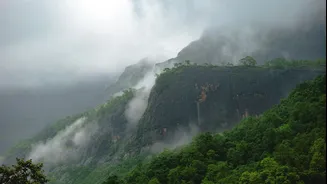
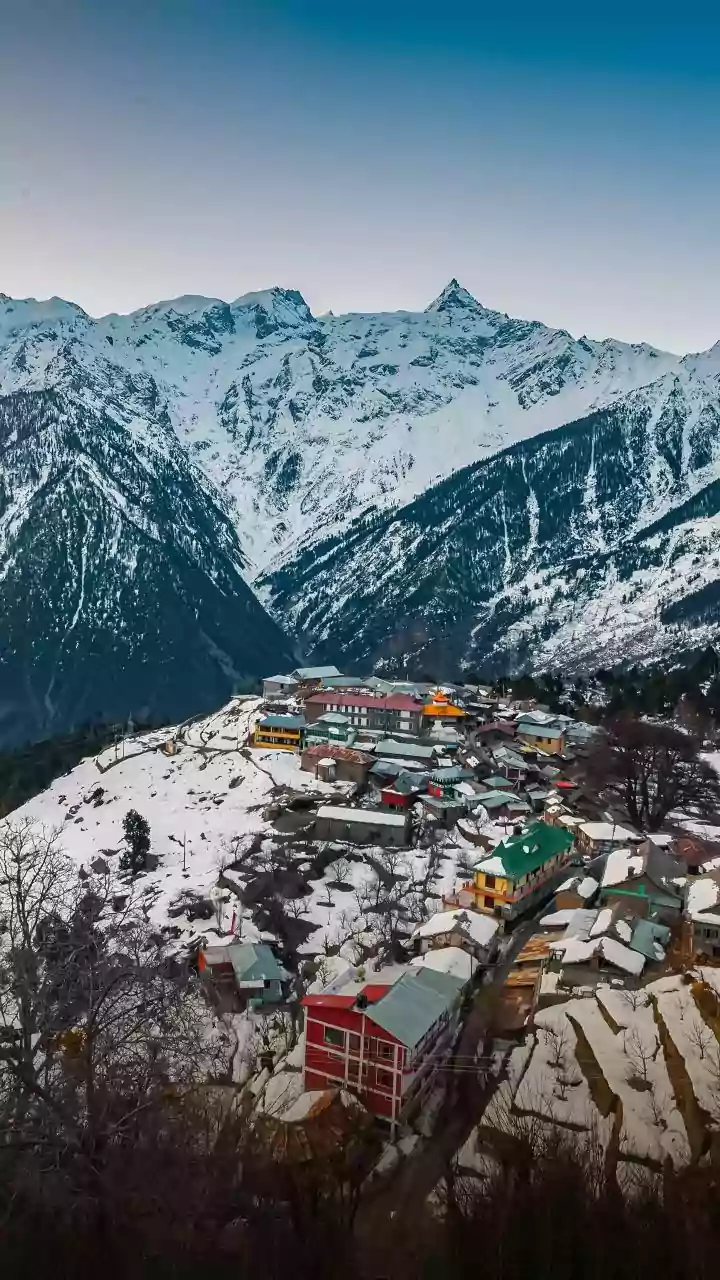
India's diverse weather patterns dramatically affect road travel. During the monsoon (June to September), roads in hilly and coastal regions are prone to landslides, waterlogging, and flash floods. It’s not uncommon for entire sections of highways in states like Himachal Pradesh, Uttarakhand, and parts of the Western Ghats to be closed for hours or even days. Conversely, winter travel in the Himalayas can be disrupted by heavy snowfall and black ice. Before booking, research the typical weather for your destination during your travel dates. Check local news and weather advisories for any specific warnings. A beautiful monsoon destination is only enjoyable if you can actually get there safely.
Master the 'Last-Mile' Journey
Getting to the nearest town by train or bus is often the easy part. The real challenge can be the final leg of the journey to your rural stay. This 'last-mile connectivity' is a significant issue in many parts of India. Public transport may not service the village directly. Research what local options are available from the main transport hub. This could be shared jeeps, local auto-rickshaws, or a village-run cooperative vehicle service. Understand their frequency and operating hours, as they often stop running after dark. If you're arriving late, your only option might be an expensive private taxi, assuming one is even available.
Your Host Is Your Best Source
The single most valuable resource you have is the host of your homestay or guesthouse. They have the most accurate, real-time information. Before you finalize your booking, send them a message or call them with specific questions. Don't just ask if they are 'accessible'; get details. Ask about the condition of the final few kilometres of road. Find out the best way to reach them from the nearest major town, including the typical cost and availability of local taxis or rickshaws. Ask if they can arrange a pickup, which is often the most reliable option. A good host will be happy to help, as they want you to arrive safely and without stress.
Create a Solid Backup Plan
Even with perfect planning, things can go wrong. A sudden downpour can cause a landslide, or a local transport strike could leave you stranded. It's crucial to have a backup plan. Build buffer time into your itinerary. Avoid arriving in a remote area late at night. If travelling during a risky season like the monsoon, consider booking flexible or refundable tickets for your primary travel. Keep emergency contact numbers handy, including your host's phone number, a local taxi service, and the nearest hotel in the main town. Having a contingency plan doesn't mean you expect the worst; it just means you're prepared, allowing you to travel with greater peace of mind.