





Patna, Bihar: The Epicentre of Devotion
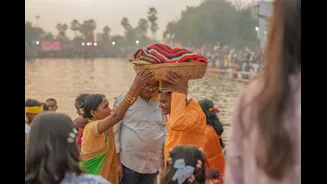
To see Chhath Puja on its grandest scale, there is no place like Patna. As the capital of Bihar, where the festival is most prominent, the city's Ganga ghats transform into a mesmerising sea of humanity. Hundreds of thousands of devotees line the riverbanks,
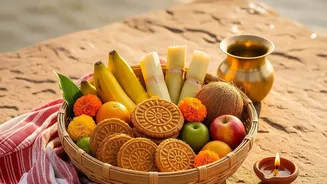
with famous spots like Gandhi Ghat, Collectorate Ghat, and Mahendru Ghat drawing immense crowds. Families arrive carrying traditional bamboo baskets ('soops') filled with offerings like thekua, fruits, and sugarcane. The sight of countless 'vratis' (devotees observing the fast) standing waist-deep in the Ganga to offer 'arghya' (prayers) to the setting and rising sun is the definitive image of the festival. The atmosphere is electric with faith, folk music, and a profound sense of community, making Patna an unparalleled destination for a first-time experience.
Varanasi, Uttar Pradesh: A Spiritual Confluence
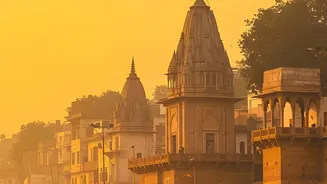
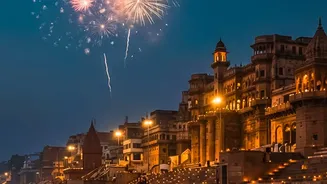
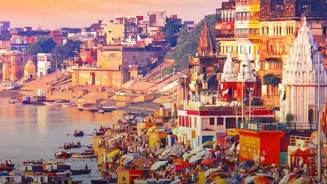
Varanasi, India’s spiritual capital, offers a uniquely atmospheric setting for Chhath Puja. The ancient stone ghats, from Assi to Dashashwamedh, provide a timeless backdrop for the Vedic rituals. Unlike the priest-led Ganga Aarti, Chhath is a direct, personal offering to the Sun God, Surya, and Chhathi Maiya. Devotees, primarily women, undertake a rigorous 36-hour waterless fast before descending into the holy river. The sight of thousands of flickering diyas on the water, combined with colourful sarees and baskets of offerings against the dawn sky, creates an ethereal spectacle for both devotees and observers. For those seeking to witness the festival in a city already steeped in riverside heritage, Varanasi is an unforgettable choice.
Delhi: A Metropolitan Celebration
Delhi showcases how ancient traditions thrive in a modern metropolis. The large Purvanchali population, with roots in Bihar, Jharkhand, and eastern Uttar Pradesh, celebrates Chhath with immense fervour. For years, celebrations were widespread, but recent efforts have focused on organizing them along the Yamuna riverfront. The government now prepares hundreds of ghats, including designated spots like ITO's Hathi Ghat, Sonia Vihar, and Kalindi Kunj, to safely accommodate the devotees. These ghats are equipped with tents, lighting, and medical facilities, turning the riverbanks into vibrant hubs of devotion. After some restrictions in previous years, the return of grand celebrations to the Yamuna allows visitors to see the capital's multicultural fabric in full display.
Kolkata, West Bengal: Community on the Hooghly
In Kolkata, Chhath Puja is a heartfelt celebration centred around the Hooghly river and numerous local water bodies. While it is primarily observed by families with roots in Bihar and Uttar Pradesh, the festival has become a significant part of the city's cultural calendar. Ghats along the Hooghly, such as Babughat and Baje Kadamtala Ghat, are major focal points where devotees gather to offer prayers. To ensure environmental protection of the city's lakes, authorities often prepare dozens of temporary, purpose-built ponds in various neighbourhoods. This creates a more dispersed, community-focused celebration that allows visitors to witness the rituals in a slightly more intimate setting than the massive gatherings elsewhere.
Mumbai, Maharashtra: Rituals by the Sea
Mumbai offers a unique coastal twist to the traditionally river-centric festival. The city's large Bihari community gathers at waterfronts, most notably Juhu Beach, to perform the Chhath rituals. The sight of devotees offering arghya to the sun against the backdrop of the Arabian Sea is a powerful and distinct experience. Juhu Beach becomes the site of one of the city's largest festive gatherings, with organisers arranging for facilities and cultural programs featuring Bhojpuri and Maithili folk songs. The event attracts hundreds of thousands of people, blending the solemnity of the fast with the vibrant energy of Mumbai, demonstrating the festival's adaptation to diverse landscapes.