





A Kitchen Unlike Any Other
Eating in space is far more complex than just packing a tiffin. In a zero-gravity environment, simple things like crumbs can become serious hazards, capable of floating into and damaging critical equipment or being inhaled by astronauts. Food must be lightweight
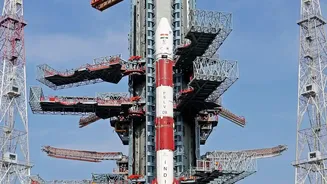
to save on launch costs, have a shelf life of at least a year without refrigeration, and retain its nutritional value. Furthermore, microgravity can alter an astronaut's sense of taste and smell, often making food seem bland. This is why providing familiar, flavourful food is crucial for morale and psychological well-being during long, isolating missions. It's a scientific challenge that Indian food technologists have embraced for the nation's ambitious Gaganyaan mission.
The Culinary Candidates
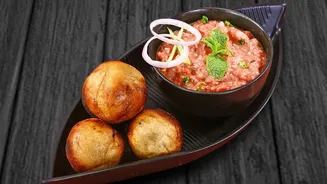
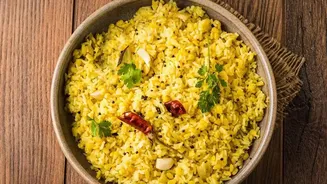
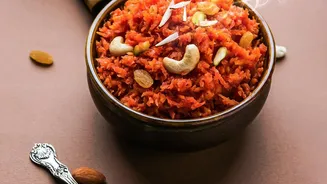
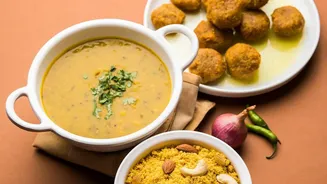
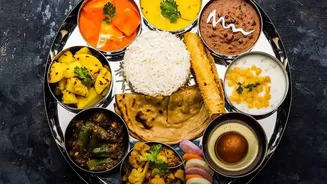
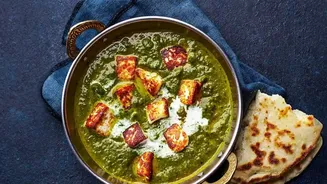
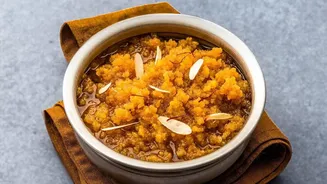
The menu being developed for India's astronauts reads like a list of comfort-food favourites. Scientists at the Mysuru-based Defence Food Research Laboratory (DFRL) have been hard at work preparing an exhaustive list of dishes. The contenders include vegetarian and non-vegetarian options like chicken biryani, vegetable pulao, shahi paneer, aloo paratha, and the ever-reliable khichdi. For a sweet treat, moong dal halwa and sooji halwa are also on the list. Even mango pickle is being specially prepared for the mission. The goal is to provide a taste of home that is both delicious and functional, with each meal designed to deliver around 2,500 calories. These dishes are prepared in ready-to-eat, semi-solid, or dehydrated forms that can be easily reconstituted with water.
The Gauntlet of Stability Tests
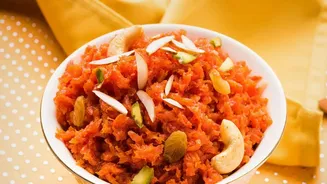
Before any dish can be certified for spaceflight, it must endure a gruelling series of stability tests that can last for months. These tests are designed to simulate the harsh conditions of a space mission. Food is subjected to intense vibrations to ensure it can withstand the violence of a rocket launch. Scientists at DFRL and the National Institute of Nutrition (NIN) also conduct long-term storage tests to check for microbiological safety, ensuring no harmful bacteria can grow. They analyse nutritional degradation over time, making sure the food remains healthy. Texture is another critical factor; the food must not be crumbly. Only after a dish passes every single one of these stringent checks can it be considered space-worthy. Recently, astronaut Shubhanshu Shukla revealed that while many dishes were prepared for his 2025 mission, only three—gajar ka halwa, moong dal ka halwa, and aamras—cleared all qualification tests in time.
More Than Just a Meal
Developing a space-ready Indian menu is about more than just feeding astronauts. It is a powerful display of India's scientific and technological capabilities. The work done by DFRL, a DRDO lab, showcases decades of expertise in creating specialised food for extreme environments, from soldiers in Siachen to submariners. For the Gaganyaan mission, this effort represents a significant step in human spaceflight autonomy. The process also carries deep cultural significance. Sending familiar foods like biryani and khichdi to orbit is a way of carrying a piece of Indian identity into the final frontier. As astronauts represent the nation on a global stage, these meals serve as a comforting link to home, boosting morale and reminding them of the culture they carry with them on their extraordinary journey.