


The Science of Fresh Flavor
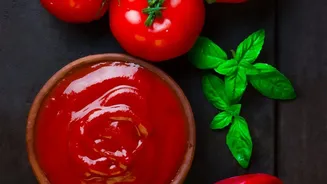
The sublime taste of freshly made tomato sauce comes from a delicate balance of sugars, acids, and volatile organic compounds (VOCs). These VOCs are aromatic molecules that create the complex, garden-fresh scent and taste we love. However, these compounds are inherently
unstable. Decades of commercial breeding have prioritized traits like shelf life and uniform ripening over flavor, leading to a reduction in these crucial compounds in many modern tomatoes. When you make sauce from scratch, especially with heirloom or ripe, in-season tomatoes, you are working with the best possible chemical profile for a delicious outcome.
Why Fresh Sauce Fades Fast
Once your sauce is made, the clock starts ticking. The primary culprit behind flavor loss is oxidation. Exposure to air causes the delicate flavor compounds to break down, leading to a duller, less vibrant taste. The bright red color may even fade to a less appealing orange hue as the pigments oxidize. Acidity also begins to drop over time, which not only impacts the tangy flavor but also reduces its natural preservative qualities. Unlike commercial sauces, which are pasteurized and often contain preservatives to last for months, homemade sauce is a fresh product with a much shorter peak. Within just a few days in the refrigerator, that initial burst of freshness begins to wane noticeably.
The Ideal Window for Enjoyment
For the absolute best flavor, fresh tomato sauce should be consumed within three to four days of being made. During this window, the flavors will have had a chance to meld beautifully without significant degradation from oxidation. Store it in an airtight container in the refrigerator to minimize air exposure. If you know you won't use it all within that timeframe, your best option is to freeze it immediately. Allowing the sauce to cool completely before freezing helps preserve its texture and taste. Freezing effectively pauses the aging process, locking in the flavor for several months.
Mastering the Art of the Small Batch
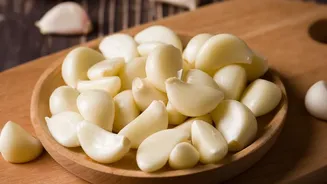
Making a small batch of sauce is less of a project and more of a simple weeknight task. You don't need a mountain of tomatoes; just a pound or two of good-quality ripe tomatoes is enough. Romas are an excellent choice because they are meaty and have less water content, resulting in a naturally thicker sauce. A basic recipe can be as simple as sautéing some chopped onion and garlic in olive oil, adding diced fresh tomatoes, a spoonful of tomato paste for depth, and some herbs. Let it simmer for about 25-30 minutes until the tomatoes break down and the sauce thickens. There's no need to peel or seed the tomatoes, which saves time and retains flavor.
Smart Storage for Small Quantities
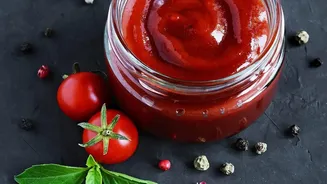
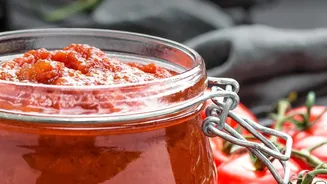
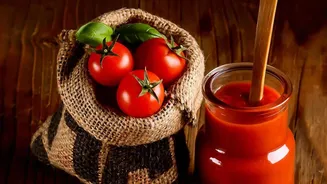
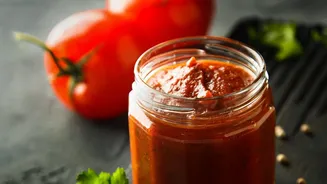
When refrigerating, glass jars with tight-fitting lids are ideal. For freezing, you have several practical options. Portion the sauce into freezer-safe bags, squeeze out as much air as possible, and lay them flat in the freezer. Once frozen, they can be stacked like books, saving valuable space. Another brilliant method is to freeze the sauce in ice cube trays. Once solid, pop the cubes out and store them in a larger freezer bag. This allows you to grab just a few tablespoons at a time to enrich a soup, pan sauce, or a quick personal pizza without thawing a large container.
Quick and Delicious Ways to Use It Up
The beauty of having a small batch of fresh sauce on hand is its versatility. Beyond a simple, perfect pasta dish, you can use it as a vibrant base for a homemade pizza. Spoon it over grilled chicken or fish for an instant flavor boost. Use it as a rich dipping sauce for garlic bread or arancini. You can even swirl a few tablespoons into a vegetable soup or a braise to add a layer of complexity and brightness. Thinking of it as a flavor-packed condiment rather than just a pasta sauce opens up a world of culinary possibilities.